The Future of Education
Unlocking personalized learning, AI tutors, and a world without classrooms as we know them. 🚀
Featured partners and sponsors
New advertisers get $25 in ad credits
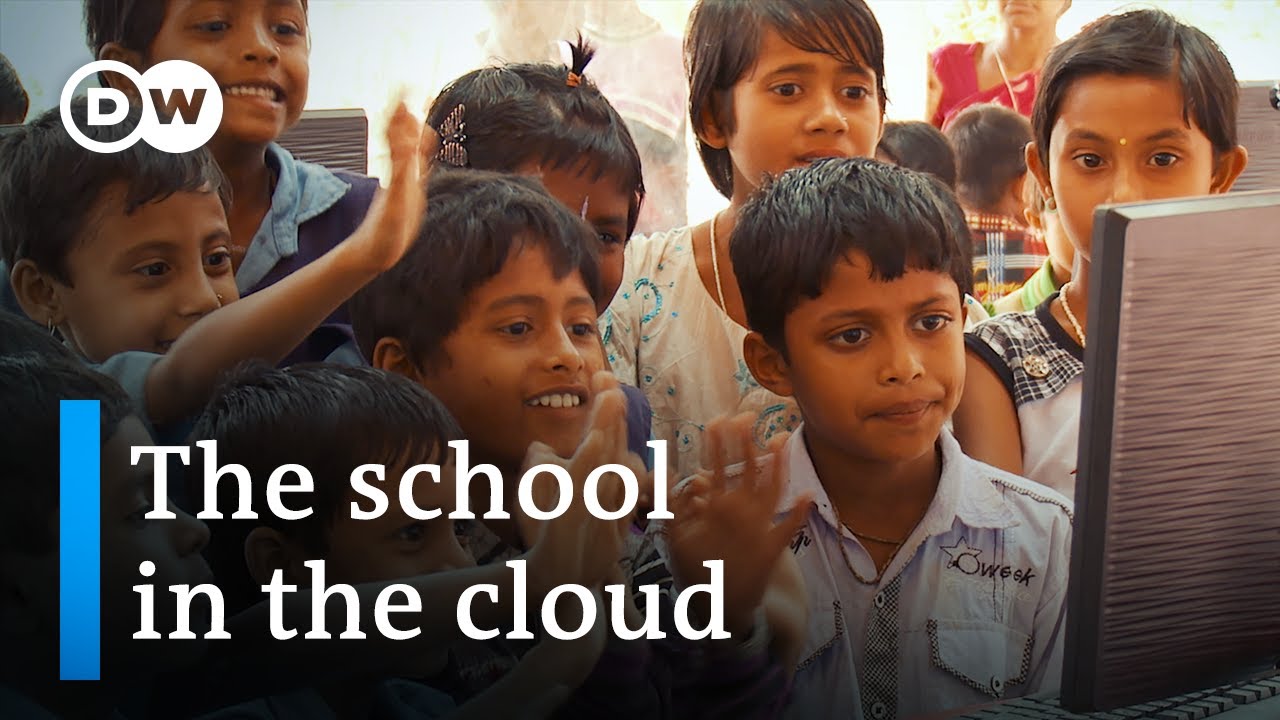
The future of education - Virtual learning | DW Documentary
⚡ THE VIBE
✨The future of education is a dynamic, ever-evolving landscape where traditional classrooms are giving way to personalized, adaptive learning experiences powered by AI, virtual reality, and a global network of knowledge. Get ready for a learning revolution! 💡
§1Beyond the Bell: What's Next for Learning?
Imagine a world where learning isn't confined to four walls and a fixed schedule. That's the core promise of the future of education. We're talking about a paradigm shift from a one-size-fits-all model to highly individualized, adaptive pathways that cater to each student's unique pace, style, and interests. This isn't just about adding screens to classrooms; it's about fundamentally rethinking how knowledge is acquired, who delivers it, and where it happens. From kindergarten to lifelong professional development, every stage of learning is ripe for transformation, driven by technological leaps and a growing understanding of cognitive science. 🧠
§2The Rise of AI & Adaptive Learning 🤖
At the heart of this educational evolution is Artificial Intelligence (AI). Think of AI not as a replacement for teachers, but as an incredibly powerful assistant and personalized tutor. AI-powered platforms can analyze a student's performance in real-time, identify knowledge gaps, and then dynamically adjust the curriculum, offering targeted exercises, supplementary materials, or even different teaching approaches. This concept, known as adaptive learning, ensures that no student is left behind or held back. Imagine an AI tutor like 'Athena' (a hypothetical future AI) that knows exactly when you're struggling with calculus and offers a virtual simulation to help you grasp the concept, or suggests a real-world project to apply your skills. This level of personalization was once a pipe dream, but by 2026, it's becoming a tangible reality, with companies like Knewton and DreamBox Learning leading the charge.
§3Immersive Worlds: VR, AR, and Gamification 🎮
Forget dusty textbooks! The future of education is immersive. Virtual Reality (VR) and Augmented Reality (AR) are set to revolutionize how we experience learning. Imagine dissecting a virtual frog in a biology class without any mess, exploring ancient Rome through a holographic overlay in your living room, or practicing complex surgical procedures in a VR simulation. These technologies offer unparalleled engagement and experiential learning that traditional methods simply can't match. Coupled with gamification—applying game design elements and game principles in non-game contexts—learning becomes an adventure, complete with quests, rewards, and collaborative challenges. This approach not only boosts motivation but also develops critical problem-solving and teamwork skills. Platforms like Labster are already bringing virtual labs to life, and the potential is only just beginning to unfold. 🌟
§4Skills for Tomorrow: A New Curriculum Focus 🛠️
As the world changes, so must the skills we prioritize. The future of education isn't just about how we learn, but what we learn. Rote memorization is out; critical thinking, creativity, collaboration, and complex problem-solving are in. There's a strong emphasis on digital literacy, computational-thinking, and emotional intelligence. The curriculum is shifting towards interdisciplinary projects, real-world applications, and developing a growth mindset—the belief that abilities can be developed through dedication and hard work. Educational institutions are increasingly partnering with industry to ensure that graduates are equipped with the competencies demanded by the rapidly evolving job market. Organizations like the World Economic Forum regularly publish reports on future job skills, guiding this curricular evolution.
§5Global Classrooms & Lifelong Learning 🌐
The internet has already broken down geographical barriers, but the future of education takes this further. We're moving towards truly global classrooms, where students from different continents can collaborate on projects in real-time. Massive Open Online Courses (MOOCs) from platforms like Coursera and edX continue to democratize access to world-class education, offering flexible, affordable pathways for learners of all ages. This fuels the concept of lifelong learning—the continuous, voluntary, and self-motivated pursuit of knowledge for personal or professional reasons. In a world of rapid change, the ability to constantly adapt and acquire new skills isn't just an advantage; it's a necessity. Education is no longer a phase of life, but a continuous journey. 🛤️