Evolution by Natural Selection
The grand, relentless sculptor of life on Earth.
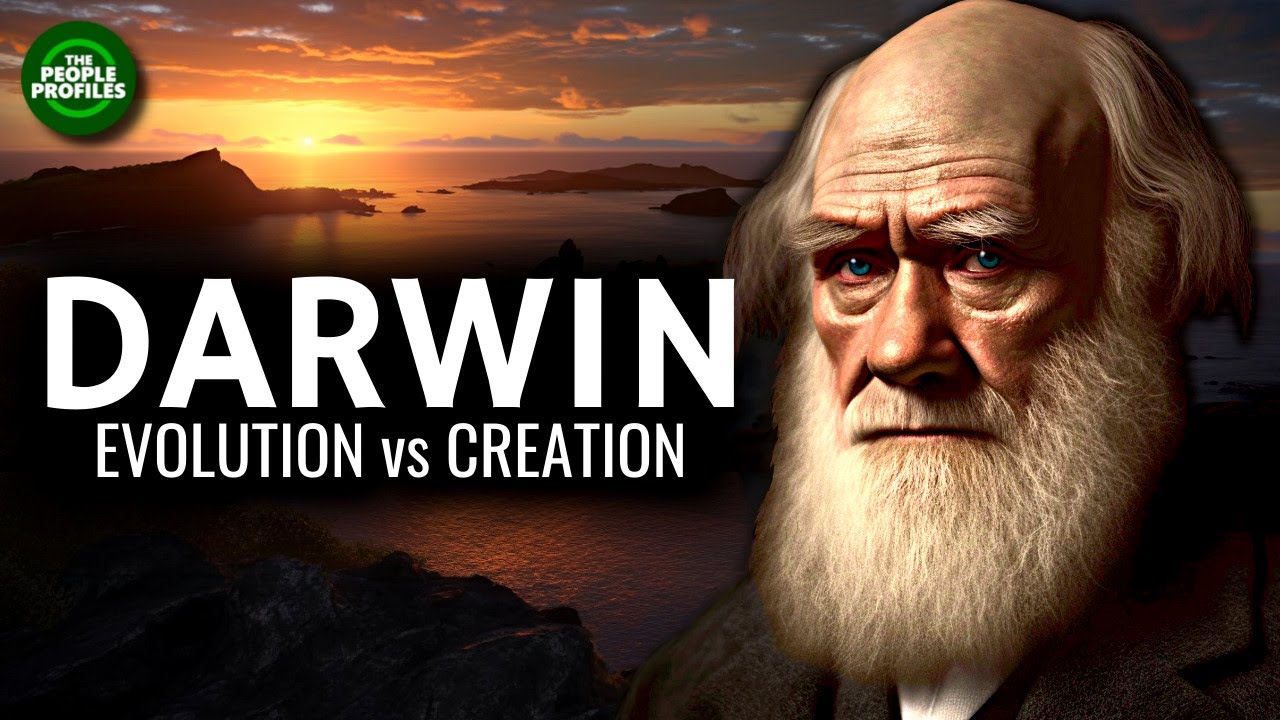
Charles Darwin - Evolution, Natural Selection & the Origin of Species Documentary
TL;DR
Evolution by Natural Selection is the fundamental mechanism driving life's diversity, where advantageous traits become more common in populations over generations, leading to adaptation and the emergence of new species.
Imagine a world teeming with life, each creature a fleeting masterpiece, yet constantly shifting, adapting, and transforming. This isn't magic; it's the relentless, elegant, and often brutal dance of Evolution by Natural Selection. At its core, it's a deceptively simple idea: individuals within a species vary, some of these variations are heritable, and those individuals whose traits better suit their environment are more likely to survive and reproduce. Over countless generations, these 'favorable' traits accumulate, leading to profound changes and, eventually, the emergence of entirely new species. It's the engine behind every finch beak, every camouflage pattern, every intricate symbiotic relationship you've ever marveled at.
The concept wasn't born in a vacuum. While ancient philosophers mused about change, it was the 19th century that truly cracked the code. Charles Darwin, after his epic voyage on the HMS Beagle, meticulously documented the biodiversity of the Galapagos Islands, observing how finches on different islands had unique beaks perfectly suited to their local food sources. Simultaneously, and independently, Alfred Russel Wallace arrived at strikingly similar conclusions from his explorations in the Malay Archipelago. Their joint presentation in 1858 and Darwin's subsequent magnum opus, 'On the Origin of Species' (1859), sent shockwaves through the scientific and religious establishments, forever altering humanity's understanding of its place in the natural world.
So, how does it actually work? Think of it as a four-step process: Variation, Inheritance, Selection, and Time. First, *Variation*: no two individuals are exactly alike, thanks to genetic mutations and recombination. Second, *Inheritance*: many of these variations are passed down from parent to offspring. Third, *Selection*: environmental pressures (like predators, food scarcity, or climate) 'select' for individuals with advantageous traits, allowing them to outcompete others. Finally, *Time*: over vast stretches of geological time, these small, incremental changes accumulate, leading to the spectacular diversification and adaptation we see all around us, from bacteria to blue whales.
Natural selection isn't about progress towards a 'perfect' form; it's about fitness for a specific environment *right now*. What's adaptive today might be a hindrance tomorrow if conditions change. This dynamic interplay means life is always in flux, a continuous improvisation. From the antibiotic resistance in bacteria that challenges modern medicine to the dazzling array of life in a coral reef, natural selection is the omnipresent force shaping every living thing. It's why we have opposable thumbs, why giraffes have long necks, and why some deep-sea creatures glow in the dark.
In 2026, the implications of natural selection are more relevant than ever. Understanding its mechanisms is crucial for everything from developing new vaccines and combating climate change's impact on ecosystems, to even comprehending the evolution of AI algorithms through selective optimization. It's not just a historical theory; it's a living, breathing process that continues to sculpt the future of life on Earth, including our own. It reminds us that we are part of an interconnected web, constantly adapting, constantly evolving, a testament to the sheer ingenuity of nature itself.