Employee Engagement
Beyond the paycheck: Igniting passion and purpose in the modern workforce! 🔥
Featured partners and sponsors
New advertisers get $25 in ad credits
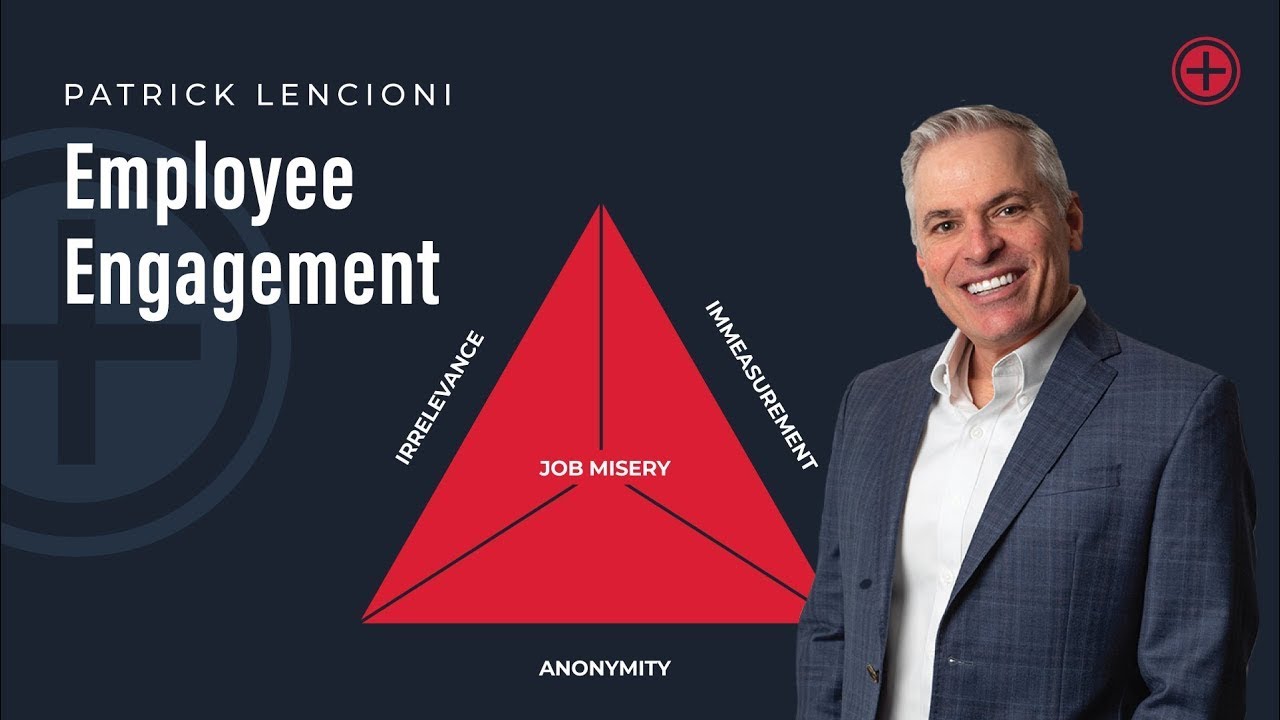
Employee Engagement by Patrick Lencioni
⚡ THE VIBE
✨Employee Engagement is the emotional commitment an employee has to their organization and its goals, translating into discretionary effort, higher productivity, and a thriving workplace culture. It's the difference between showing up and truly *shining up*! ✨
§1What is Employee Engagement, Really?
Forget just being 'satisfied' or 'happy' at work. Employee engagement dives much deeper. It's about how invested an individual feels in their role, their team, and the company's overall success. Think of it as the psychological bond that makes employees want to contribute their best, not just because they have to, but because they genuinely care. This commitment manifests as enthusiasm, dedication, and a proactive approach to their work. It's the fuel that powers innovation, resilience, and a positive work environment. When employees are truly engaged, they become ambassadors for their organization, driving both internal morale and external reputation. It’s a dynamic state, not a static one, requiring continuous nurturing and understanding. 💖
§2The Genesis: From Satisfaction to Connection
While concepts of job satisfaction have been around for decades, the term 'employee engagement' gained significant traction in the 1990s, particularly with researchers like William Kahn's seminal work on 'personal engagement and disengagement at work' in 1990. Kahn's research highlighted that engagement wasn't just about how employees felt, but how they expressed themselves physically, cognitively, and emotionally in their roles. This marked a shift from simply measuring contentment to understanding the active, psychological presence of employees. Consulting firms like Gallup further popularized the concept, developing robust methodologies for measuring and improving engagement. In the 2000s and 2010s, as the war for talent intensified and the knowledge economy blossomed, engagement became a critical strategic imperative for businesses worldwide. It evolved from a HR buzzword into a cornerstone of organizational strategy. 📈
§3The Pillars of Engagement: What Makes it Tick?
So, what truly drives engagement? It's not just about ping-pong tables and free snacks (though those can be nice!). Research consistently points to several key drivers:
- Meaningful Work: Employees want to feel their work contributes to something bigger. They crave purpose. 🎯
- Growth & Development: Opportunities to learn new skills, advance their careers, and tackle new challenges are crucial. Think mentorship programs and continuous learning platforms.
- Recognition & Feedback: Feeling valued and receiving constructive feedback helps employees understand their impact and how to improve.
- Autonomy & Empowerment: Having a say in how work gets done fosters ownership and trust.
- Strong Leadership: Engaged leaders who communicate clearly, inspire, and support their teams are non-negotiable.
- Positive Culture: A workplace that promotes psychological safety, inclusion, and collaboration is a magnet for talent.
- Well-being & Work-Life Balance: Organizations that genuinely care about their employees' holistic well-being see higher engagement.
Many organizations now employ dedicated engagement platforms and surveys, often leveraging AI-powered analytics, to continuously monitor these factors and adapt their strategies. Companies like Qualtrics, Glint (now LinkedIn), and Culture Amp are leaders in this space. 📊
§4Why It Matters: The Ripple Effect
The impact of high employee engagement is profound, creating a virtuous cycle that benefits individuals, teams, and the entire organization. Engaged employees are:
- More Productive: They go the extra mile, leading to higher output and quality.
- More Innovative: They're more likely to share ideas and find creative solutions. 💡
- More Loyal: Reduced turnover saves companies significant recruitment and training costs.
- Better Customer Service: Happy employees often lead to happy customers.
- Healthier & Happier: Engagement is linked to lower stress levels and higher job satisfaction, contributing to overall well-being.
Conversely, disengaged employees can be a drain on resources, contributing to low morale, absenteeism, and even 'quiet quitting' – where employees do the bare minimum. The global cost of low engagement is staggering, with studies by organizations like Gallup estimating billions in lost productivity annually. Investing in engagement isn't just good for people; it's good for business. 💰
§5The Future of Engagement: AI, Hybrid Work, and Purpose
As we navigate 2026, employee engagement is evolving faster than ever. The rise of hybrid work models (a blend of remote and in-office work) has necessitated new approaches to fostering connection and culture. Companies are leveraging advanced analytics and AI-powered tools to personalize engagement strategies, identify burnout risks, and predict turnover. The focus is shifting from annual surveys to continuous listening and real-time feedback. Furthermore, a new generation of workers is increasingly seeking purpose-driven organizations and a strong alignment between their personal values and their employer's mission. Companies that champion Corporate Social Responsibility and demonstrate genuine commitment to ethical practices and sustainability are finding it easier to attract and retain top talent. The future of engagement is about creating truly human-centric workplaces where technology amplifies connection, not replaces it. 🌐