Electric Guitar
The amplified rebel yell that shaped modern sound 🎸⚡
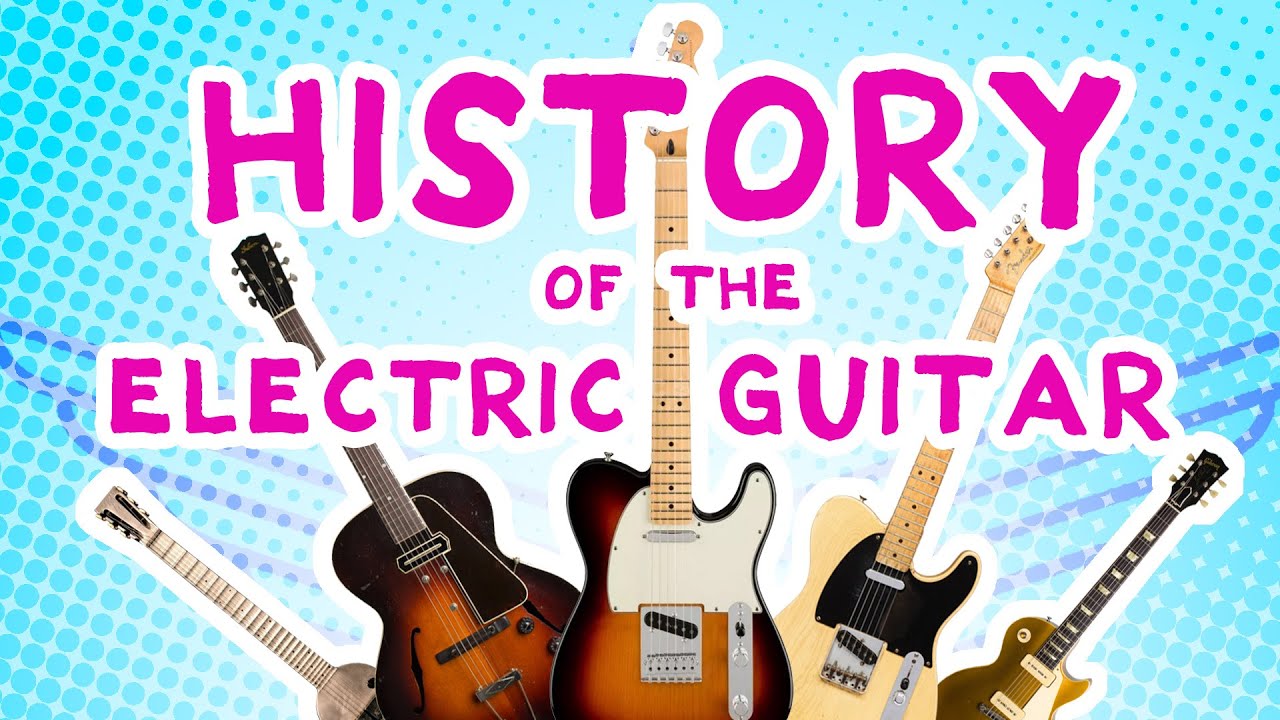
The History of the Electric Guitar: A Solution to a Problem
⚡ THE VIBE
✨The electric guitar isn't just an instrument; it's a **cultural phenomenon** that ripped through the 20th century, amplifying sounds and shaping genres from blues to rock to metal, and continues to inspire millions. Its journey from a niche jazz accessory to a global icon is a testament to human ingenuity and the insatiable hunger for new sonic textures. 🤘
§1The Spark: A Quest for Volume 🔊
Imagine a world where the guitar, despite its charm, was constantly drowned out by horns and drums. That was the reality for guitarists in the big band era of the early 20th century. They needed more volume, a way to cut through the orchestral din. This wasn't just about being heard; it was about giving the guitar a voice equal to its peers. The solution wasn't to make bigger acoustic guitars, but to harness the power of electromagnetism. 💡 The earliest experiments involved attaching microphones to acoustic guitars, but this led to feedback nightmares. The true breakthrough came with the development of the pickup, a device that converts string vibrations into electrical signals. This was the genesis of a revolution, a moment when sound itself was re-imagined through technology. 🚀
§2From 'Frying Pans' to Icons: A Brief History 🕰️
The 1930s saw the birth of the first commercially successful electric guitars. Companies like Rickenbacker (then Electro String Instrument Corporation) introduced models like the 'Frying Pan' (the A-22), an aluminum-bodied lap steel guitar that looked as unconventional as it sounded. These early instruments were primarily embraced by Hawaiian and country musicians. However, the real game-changer arrived in the late 1940s and early 1950s with the introduction of solid-body electric guitars. Leo Fender's Broadcaster (later the Telecaster) in 1950 and Les Paul's collaboration with Gibson for the Gibson Les Paul in 1952 were pivotal. These instruments, with their sustained notes and resistance to feedback, opened up entirely new sonic landscapes. Suddenly, the guitar could scream, wail, and sing in ways previously unimaginable, laying the groundwork for rock and roll. 🌟
§3The Anatomy of Amplified Sound 🔬
At its heart, the electric guitar is a marvel of simple yet profound engineering. The core components are the body, neck, headstock, and crucially, the pickups. Pickups are essentially magnets wrapped in coils of wire. When a metal string vibrates over these magnets, it induces a tiny electrical current in the coil. This current, a faithful analogue of the string's vibration, is then sent via a cable to an amplifier, which boosts the signal to audible levels. 🔊 But it doesn't stop there! The electric guitar's sound is infinitely shapeable through various controls: volume and tone knobs, pickup selectors, and a vast array of effects pedals (Guitar Pedals) like distortion, wah, delay, and reverb. These pedals allow players to sculpt their sound, creating everything from a gentle shimmer to a ferocious roar, making each guitar and player a unique sonic fingerprint. 🎨
§4Cultural Resonance & Sonic Revolution 🌍🎶
The electric guitar didn't just change music; it defined entire eras and genres. From the raw energy of Chuck Berry and Elvis Presley in the 50s, to the psychedelic explorations of Jimi Hendrix in the 60s, the anthemic power of Led Zeppelin in the 70s, the rebellious spirit of punk in the 80s, and the grunge explosion of the 90s – the electric guitar has been the voice of youth, rebellion, and innovation. It became a symbol of freedom, individuality, and pure, unadulterated cool. 😎 Its influence extends beyond rock, permeating jazz fusion, funk, pop, and even electronic music through sampling and synthesis. The image of a guitarist shredding on stage is etched into our collective consciousness, a powerful icon of performance and passion. 🔥
§5The Future of Fretboards: Digital & Beyond 🌐
In 2026, the electric guitar continues to evolve. While classic designs remain timeless, innovation is rampant. We're seeing advancements in digital modeling amplifiers that can perfectly replicate the sound of hundreds of vintage amps and effects, making incredible tonal versatility accessible. Smart guitars with integrated learning tools, MIDI capabilities, and even AI-powered composition aids are pushing the boundaries of what the instrument can do. 🤖 The rise of virtual and augmented reality also hints at new performance and interactive experiences for guitarists. Despite these technological leaps, the fundamental joy of plugging in, strumming a chord, and feeling that raw, amplified vibration remains unchanged. The electric guitar is a testament to enduring design and the human desire to make noise, beautifully. 💖