Doge
Much wow, very meme, such internet legend.
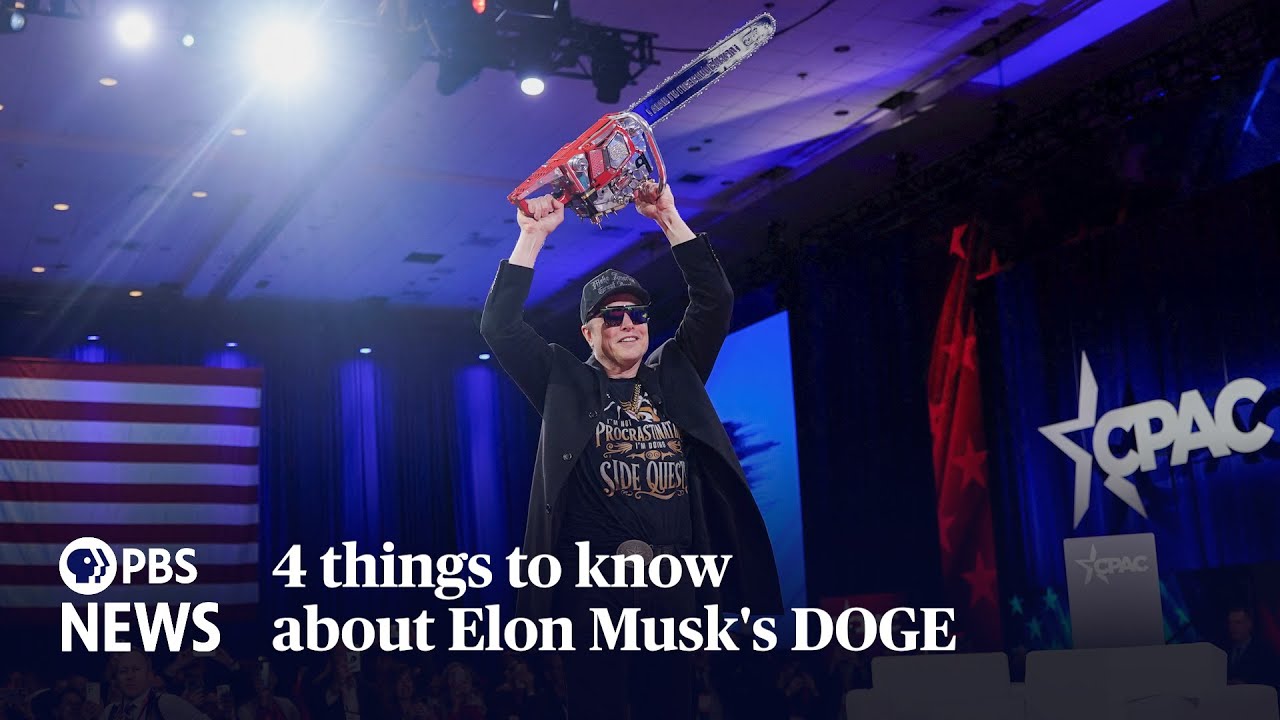
WATCH: 4 things to know about Elon Musk's DOGE
TL;DR
Doge is an internet meme featuring a Shiba Inu dog accompanied by multicolored Comic Sans text representing an internal monologue, expressing a range of emotions and often using broken English.
Ah, Doge. The very name conjures a specific, delightful chaos that defined an era of internet culture. Born in the primordial soup of early 2010s online communities, Doge isn't just a picture of a dog; it's a whole linguistic and aesthetic phenomenon. At its core is Kabosu, a rescue Shiba Inu from Japan, whose perpetually bewildered yet charming expression became the canvas for a new form of digital poetry. The meme typically features her, or other Shibas, surrounded by fragmented phrases like 'much wow,' 'very confuse,' 'so amaze,' and 'many thought,' all rendered in vibrant Comic Sans.
The genesis of Doge can be traced back to 2010 when Kabosu's owner, Atsuko Sato, posted photos of her beloved pet on her personal blog. One particular photo, capturing Kabosu looking sideways with a quizzical, almost judgmental stare, quickly went viral on Tumblr in 2013. It was here that the unique, grammatically inventive internal monologue style began to coalesce, often with a dash of existential humor or playful observation. The use of Comic Sans, a font often derided by designers, was a deliberate, ironic choice that further cemented Doge's irreverent charm.
What made Doge transcend mere virality and become an ICONIC cultural touchstone? It was its sheer versatility and inherent positivity. Unlike many memes that rely on niche references or fleeting trends, Doge's appeal was universal. It could express wonder, confusion, amusement, or even mild disappointment, all with that signature, endearing broken English. It was a meme that invited participation, encouraging users to create their own Doge-speak, fostering a sense of playful community. It wasn't just a joke; it was a vibe, a way of seeing the world through a delightfully absurd lens.
The impact of Doge extended far beyond image boards and social media feeds. In 2013, it inspired the creation of Dogecoin, a cryptocurrency that began as a satirical jab at the burgeoning crypto market but unexpectedly grew into a legitimate, albeit volatile, digital asset. Dogecoin's meteoric rise in the mid-2020s, fueled by celebrity endorsements and a passionate community, proved that the spirit of Doge—wholesome, slightly chaotic, and surprisingly resilient—could manifest in real-world financial markets. It's a testament to the meme's enduring power that a digital doggo could influence global economics.
Even in 2026, Doge continues to hold a special place in the internet's collective consciousness. While new memes rise and fall with dizzying speed, Doge remains a beloved elder statesman, a nostalgic nod to a simpler, perhaps more innocent, era of online humor. It reminds us that sometimes, the most profound cultural statements can come from the most unexpected places – like a charming Shiba Inu with a penchant for philosophical musings in Comic Sans. Much legacy, very endure, such internet history.
The meme's enduring legacy is also a subtle commentary on the nature of digital communication itself. Doge's fragmented sentences and intentional grammatical errors mirror the rapid-fire, often informal language of the internet. It democratized humor, making it accessible and adaptable, proving that authenticity and a touch of absurdity can resonate more deeply than polished perfection. Truly, Doge taught us that sometimes, 'much wow' is all you need to say.