Dodd-Frank Wall Street Reform and Consumer Protection Act
The financial overhaul that reshaped Wall Street after the 2008 meltdown. 🏦
Featured partners and sponsors
New advertisers get $25 in ad credits
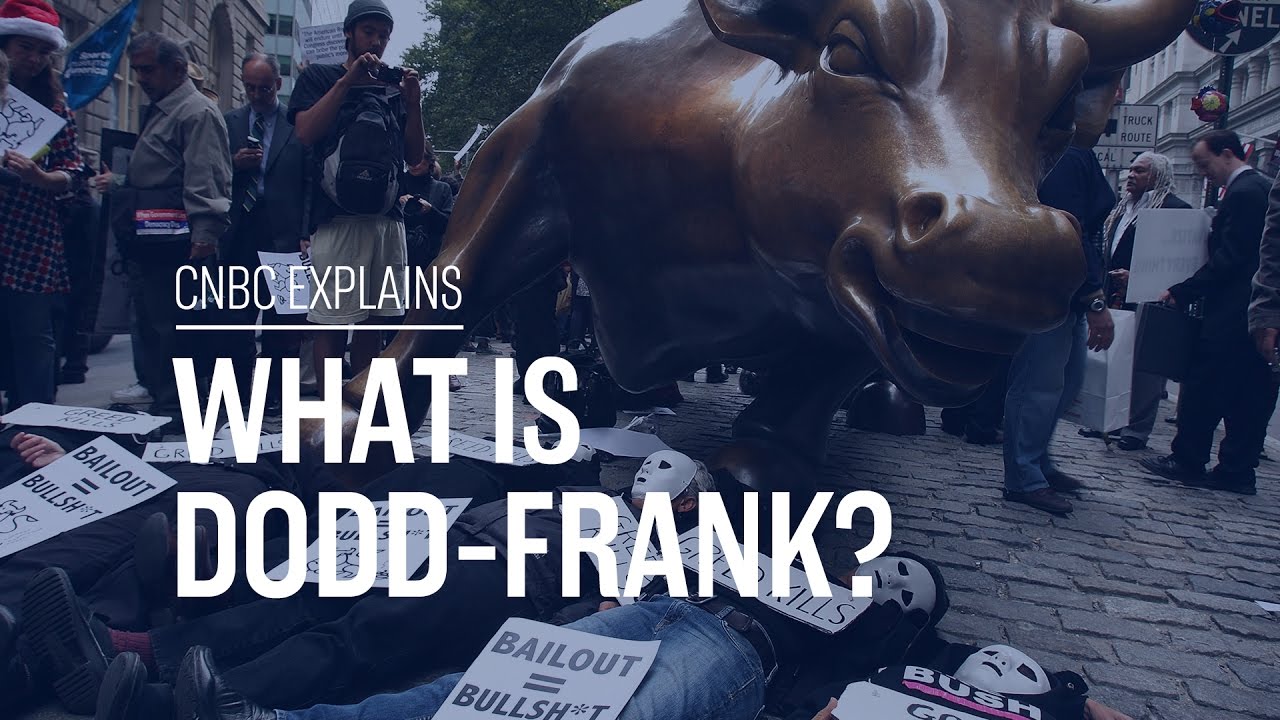
What is Dodd-Frank? | CNBC Explains
⚡ THE VIBE
✨Born from the ashes of the 2008 financial crisis, the **Dodd-Frank Act** is a monumental piece of U.S. legislation designed to prevent another economic catastrophe by fundamentally reshaping financial regulation and consumer protection. It's a complex beast, but its impact reverberates through every corner of the financial world. 📉➡️🛡️
§1The Meltdown and the Mandate: Why Dodd-Frank Happened
Imagine the global economy as a house of cards, built on shaky subprime mortgages and exotic financial instruments. In 2008, that house collapsed, triggering the worst financial crisis since the Great Depression. Millions lost homes, jobs, and trust in the system. The Dodd-Frank Wall Street Reform and Consumer Protection Act wasn't just a bill; it was a desperate, bipartisan cry for reform, signed into law by President Barack Obama on July 21, 2010. Its core mission? To end 'too big to fail' and protect consumers from predatory practices. It aimed to bring transparency and accountability to a system that had become opaque and reckless. 💔
§2Key Pillars: What Did It Actually Do? 🏗️
Dodd-Frank is less a single law and more a sprawling collection of reforms, creating new agencies and overhauling existing ones. It's like a financial superhero team assembled to fight future crises! Here are some of its most significant components:
- Consumer Financial Protection Bureau (CFPB): This independent agency, often called the 'consumer watchdog,' was established to protect consumers in the financial marketplace, overseeing mortgages, credit cards, and other financial products. You can learn more about their mission at the official CFPB website.
- Financial Stability Oversight Council (FSOC): Chaired by the Secretary of the Treasury, the FSOC identifies and monitors systemic risks to the U.S. financial system, designating 'systemically important financial institutions' (SIFIs) for stricter oversight. Think of them as the early warning system. 🚨
- Volcker Rule: Named after former Federal Reserve Chairman Paul Volcker, this rule restricts banks from engaging in certain types of proprietary trading (trading with their own money for their own profit) and limits their investments in hedge funds and private equity funds. The idea was to prevent banks from taking excessive risks with taxpayer-backed deposits.
- Orderly Liquidation Authority (OLA): This provides a mechanism for the government to take over and dismantle failing financial institutions without resorting to taxpayer bailouts, aiming to ensure an orderly wind-down rather than a chaotic collapse. It's the financial equivalent of a controlled demolition. 💥
- Derivatives Regulation: Brought much of the opaque over-the-counter (OTC) derivatives market under regulatory oversight, requiring many derivatives to be cleared through central clearinghouses and traded on exchanges. This aimed to increase transparency and reduce counterparty risk.
§3Impact & Controversies: A Double-Edged Sword ⚖️
Dodd-Frank's impact has been profound and, predictably, polarizing. On one hand, proponents argue it has made the financial system safer, reducing the likelihood of another catastrophic meltdown. Banks are better capitalized, and consumers have a powerful advocate in the CFPB. The financial industry, however, often views it as overly burdensome, stifling growth and innovation with its thousands of pages of rules and regulations. Small banks, in particular, struggled with compliance costs, leading to some consolidation in the sector. The debate over its effectiveness and efficiency continues to rage, with various amendments and rollbacks occurring over the years, most notably the Economic Growth, Regulatory Relief, and Consumer Protection Act in 2018, which eased some restrictions on smaller banks. It's a constant tug-of-war between stability and economic dynamism. ⚔️
§4The Future of Financial Regulation: A Shifting Landscape 🔭
As we navigate 2026, the legacy of Dodd-Frank remains central to discussions about financial stability. The Act laid the groundwork for a more resilient system, but the financial world is always evolving. New challenges, like the rise of FinTech, cryptocurrencies, and the increasing interconnectedness of global markets, mean that regulatory frameworks must adapt. Regulators like the Federal Reserve, the SEC, and the FDIC continue to interpret and enforce its provisions, while policymakers constantly evaluate its efficacy. The spirit of Dodd-Frank—preventing another crisis and protecting the average citizen—endures, even as its specific rules are debated and refined. It's a living, breathing piece of legislation, continuously shaped by economic realities and political will. 🔄