Disenfranchised Grief
When sorrow is silenced, and loss goes unrecognized. 💔
Featured partners and sponsors
New advertisers get $25 in ad credits
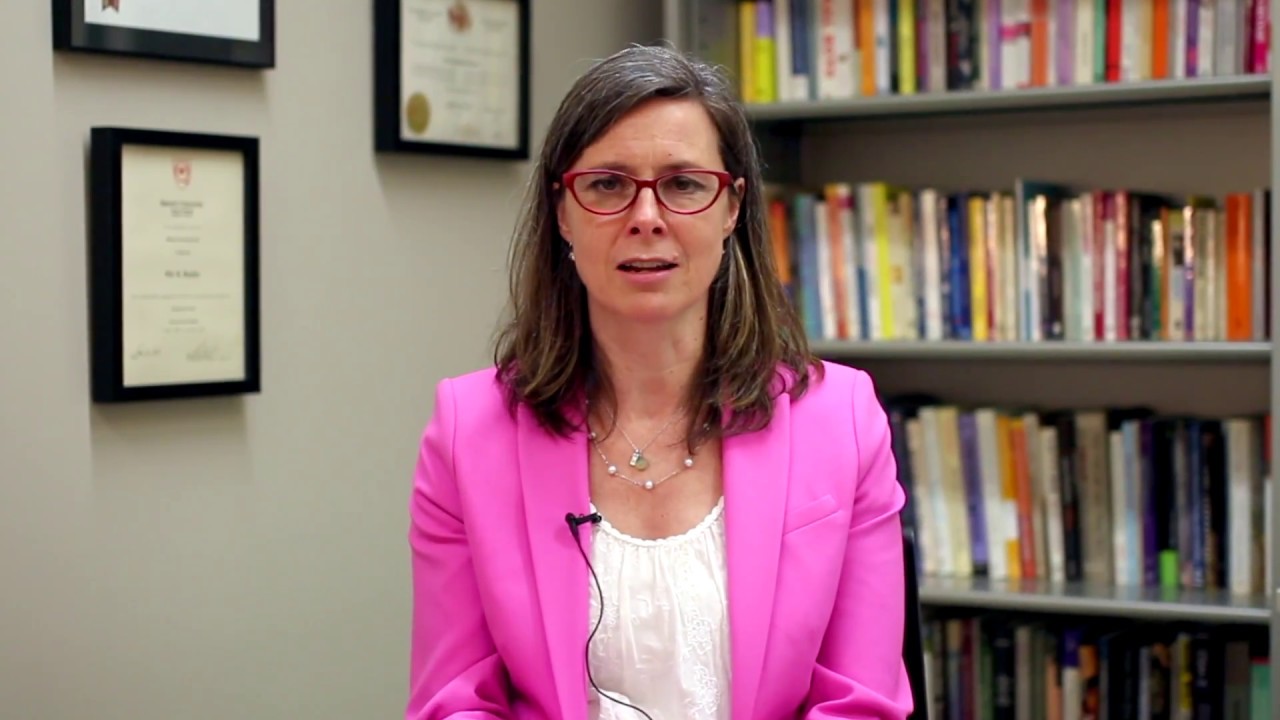
Understanding Grief. Lecture III. Disenfranchised Grief
⚡ THE VIBE
✨Disenfranchised grief is the profound, often isolating experience of mourning a loss that isn't openly acknowledged, socially sanctioned, or publicly supported, leaving individuals to grieve in silence and solitude. It's the heartache the world doesn't see, and often, doesn't validate. 😔
§1The Invisible Burden of Loss
Imagine carrying a heavy, invisible burden, a sorrow so deep it shapes your every moment, yet no one around you seems to notice, or worse, they dismiss it. This, in essence, is disenfranchised grief. Coined by psychologist Kenneth J. Doka in 1989, this concept illuminates the often-hidden emotional landscape of loss that society deems unworthy of public mourning. It's a powerful framework for understanding why some grief journeys feel so uniquely isolating and unsupported. 🚶♀️💨 It's not just about feeling sad; it's about feeling alone in your sadness, without the rituals, empathy, or understanding that typically accompany loss. This lack of validation can significantly complicate the healing process, turning a natural human response into a prolonged, painful struggle. 🌪️
§2Why Society Shuts Down Sorrow
So, why does society sometimes draw a line in the sand, deciding which losses are 'grievable' and which are not? Doka identified several key reasons why grief becomes disenfranchised. Often, it's because the relationship isn't recognized (e.g., a secret affair, a pet, a former spouse), or the loss itself isn't seen as significant (e.g., miscarriage, abortion, job loss, loss of a home). Sometimes, the person grieving is deemed incapable of grief (e.g., children, individuals with cognitive disabilities), or the manner of death is stigmatized (e.g., suicide, overdose, AIDS-related illness). 🚫 society's unspoken rules dictate who gets a pass to mourn and who must suffer in silence. This can lead to profound feelings of shame, guilt, and inadequacy for the bereaved, who may internalize the message that their pain is somehow 'wrong' or less valid. Understanding these societal biases is the first step toward creating a more compassionate world. 🌍❤️
§3The Silent Toll: Impact on Mental Well-being
The psychological toll of disenfranchised grief is immense. When grief is unacknowledged, individuals are deprived of the crucial social support systems that facilitate healthy mourning. This can manifest in a myriad of ways, from prolonged depression and anxiety to substance abuse and even physical health issues. 🩺 The inability to openly express sorrow means that the grief process can become stuck, leading to what's often termed 'complicated grief' or 'prolonged grief disorder'. People might feel compelled to put on a brave face, suppressing their true emotions, which only exacerbates their internal suffering. 🎭 This emotional suppression can lead to feelings of isolation, anger, and resentment, not just towards society, but also towards themselves for 'failing' to move on. It's a vicious cycle that demands recognition and empathy. 🗣️💡 For more on the broader impact of grief, see Grief and Loss.
§5A Call for Compassion: The Future of Grief Recognition
As we move further into the 21st century, the conversation around grief is slowly but surely evolving. There's a growing understanding that grief is not a linear process and that its expressions are as diverse as humanity itself. The concept of disenfranchised grief continues to gain traction, prompting institutions and individuals to re-evaluate their approaches to loss. 🚀 From workplaces offering more inclusive bereavement policies to healthcare providers recognizing the emotional impact of non-traditional losses, the shift is palpable. The goal is to foster a culture where all forms of grief are met with compassion, understanding, and appropriate support, ensuring no one has to suffer in silence. 💖 It's about recognizing the universal human experience of loss in all its complex, often messy, forms. For deeper insights into societal support for mental health, explore Mental Health Awareness.