Digital Activism
From Hashtags to Hyper-Change: The Internet's Revolutionary Roar 📣
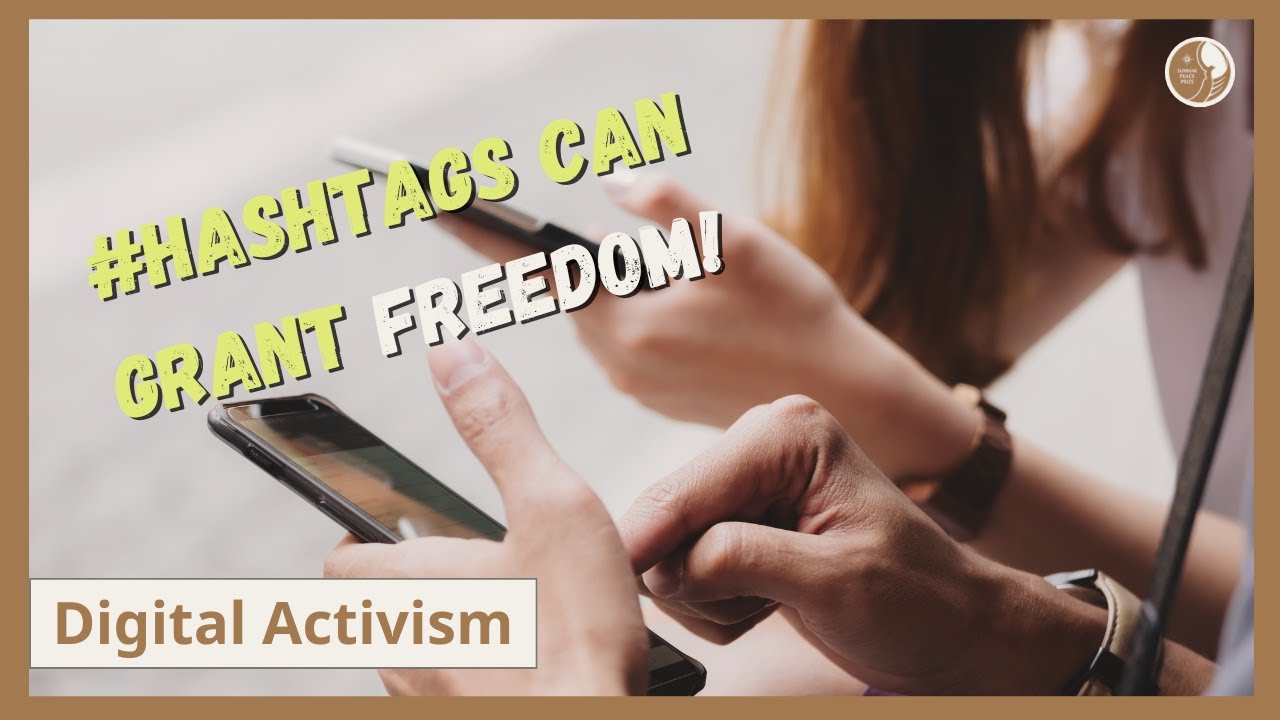
What is Digital Activism?
⚡ THE VIBE
✨Digital activism is the dynamic, ever-evolving landscape where social and political change is catalyzed, organized, and amplified through digital technologies, transforming how movements are born and how power structures are challenged. It's not just about clicks; it's about collective action, reimagined for the 21st century! 🌐
§1The Dawn of the Digital Drumbeat 🥁
Imagine a world where your voice could reach millions, not just your local community. That's the promise digital activism began to fulfill. Born in the nascent days of the internet, it started with simple email chains and online forums, evolving into the sophisticated, multi-platform movements we see today. It's the story of how the World Wide Web became a battleground for ideas and a launchpad for change. Early pioneers, often tech-savvy individuals and grassroots organizations, realized the internet's potential to bypass traditional media gatekeepers and connect like-minded individuals across geographical boundaries. 🚀 This wasn't just about sending messages; it was about building networks of solidarity and action, laying the groundwork for a truly global civil society.
§2From Geocities to Global Movements: A Brief History 🕰️
The trajectory of digital activism is a fascinating journey through technological innovation and social upheaval. In the late 1990s and early 2000s, platforms like Indymedia and early blogging sites became crucial for anti-globalization movements, offering alternative narratives to mainstream media. Remember the 1999 Battle of Seattle? Digital tools played a significant role in organizing those protests! ✊ Then came the rise of social media in the mid-2000s. Suddenly, platforms like Facebook and Twitter weren't just for sharing photos; they became powerful tools for organizing, disseminating information, and mobilizing people en masse. The Arab Spring in 2010-2011 is often cited as a watershed moment, showcasing the unprecedented power of social media to ignite and sustain revolutions, even if its ultimate impact remains a subject of debate. 🌍 More recently, movements like Black Lives Matter and Fridays for Future have masterfully leveraged hashtags, live streams, and crowdfunding to build global solidarity and exert immense pressure on institutions. It's a testament to the enduring power of collective action, digitally enhanced.
§3The Toolkit of Change: How It Works 🛠️
So, how does digital activism actually work? It's a multifaceted approach leveraging a diverse toolkit. At its core are social media campaigns, using hashtags to create trending topics and amplify messages (e.g., #MeToo, #ClimateAction). Then there's online petitioning, platforms like Change.org allowing millions to sign on to causes with a click. ✍️ Crowdfunding (e.g., GoFundMe) enables movements to raise vital funds directly from supporters, bypassing traditional funding channels. DDoS attacks and hacktivism (e.g., Anonymous) represent more confrontational tactics, aiming to disrupt or expose. Beyond these, there's data activism, where activists use data collection and analysis to expose injustices, and meme activism, which uses humor and viral imagery to spread messages and build community. 🎨 The key is often the speed and reach these tools provide, allowing for rapid response and global coordination that was unimaginable just a few decades ago. It's about turning passive engagement into active participation, often with a low barrier to entry. 💡
§4Impact & Influence: More Than Just 'Slacktivism'? 🤔
The impact of digital activism is undeniable, yet often debated. Critics sometimes dismiss it as 'slacktivism' – easy, low-effort engagement that doesn't translate into real-world change. However, this perspective often misses the bigger picture. Digital activism plays a crucial role in agenda-setting, bringing overlooked issues to public attention and forcing mainstream media and politicians to respond. It fosters community building and solidarity, connecting individuals who might otherwise feel isolated. 🤝 It can also serve as a powerful mobilization tool, translating online engagement into offline protests, boycotts, and political action. Think of the millions who have marched after being organized online, or the legislative changes spurred by viral campaigns. While a hashtag alone won't change the world, it can be the spark that ignites a movement, providing the initial momentum and visibility needed for sustained, impactful action. It's about amplification and democratization of voice. 🌟
§5The Dark Side & Future Frontiers 🌑
Like any powerful tool, digital activism has its shadows. The spread of misinformation and disinformation can be weaponized to undermine legitimate movements or sow discord. Cyberbullying and trolling can silence dissenting voices. Governments and corporations increasingly employ surveillance and censorship to suppress online organizing, leading to a constant cat-and-mouse game between activists and authorities. 🕵️♀️ The 'echo chamber' effect of social media can also limit exposure to diverse viewpoints. Looking ahead to 2026 and beyond, the future of digital activism will likely involve deeper integration with AI-powered tools for analysis and outreach, the use of decentralized web technologies (like Web3) for greater security and censorship resistance, and continued innovation in virtual and augmented reality for immersive storytelling and advocacy. The fight for digital rights and open internet access will remain paramount, as the digital realm continues to be a critical frontier for human rights and social justice. 🌐🛡️