Decentralized Finance (DeFi)
Rewriting the rules of money, one smart contract at a time! 🌐💰
Featured partners and sponsors
New advertisers get $25 in ad credits
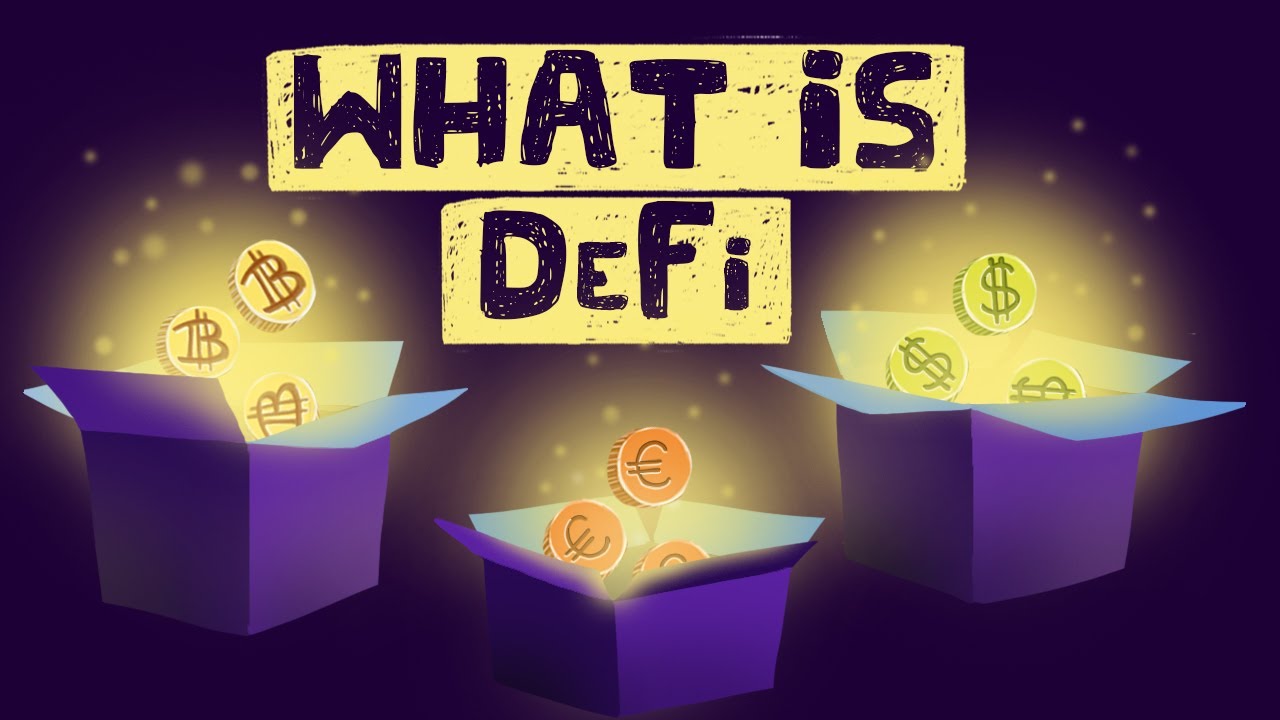
What is DeFi? (Decentralized Finance Animated)
⚡ THE VIBE
✨Decentralized Finance, or **DeFi**, is a revolutionary ecosystem of financial applications built on blockchain technology, aiming to recreate traditional financial services without the need for intermediaries like banks or brokers. It's a bold experiment in open, transparent, and permissionless finance, empowering individuals globally. 🚀
§1What is DeFi, Anyway?
Imagine a world where anyone, anywhere, can access loans, savings accounts, insurance, and trading platforms without needing a bank, a broker, or even a government ID. That's the audacious promise of Decentralized Finance (DeFi). At its core, DeFi leverages blockchain technology – primarily Ethereum – to create financial services that are open, transparent, and operate through self-executing agreements called Smart Contracts. Instead of relying on centralized institutions, DeFi protocols are governed by code and often by their user communities. It's finance for the people, by the code! 🤖✨
§2The Genesis: From Bitcoin to Smart Contracts
While the concept of decentralized money started with Bitcoin, DeFi truly began to blossom with the advent of the Ethereum blockchain in 2015. Ethereum introduced smart contracts, which are essentially programs that automatically execute when certain conditions are met, without human intervention. This was the game-changer! 💡 The first significant DeFi protocols began to emerge around 2018, building on Ethereum's programmable foundation. Early pioneers like MakerDAO, which enabled decentralized stablecoins, and Compound, offering lending and borrowing, laid the groundwork for the explosion of innovation we see today. It was a gradual evolution from simple digital cash to complex financial instruments, all powered by code. 🛠️
§3The DeFi Toolkit: How It Works & Key Concepts
DeFi operates on a stack of interconnected technologies. The base layer is a public blockchain (like Ethereum, or increasingly, others like Solana or Polygon). On top of this are smart contracts that define the rules for each financial service. Users interact with these contracts through various applications, often called dApps (decentralized applications). Key concepts include:
- Decentralized Exchanges (DEXs): Platforms like Uniswap or Sushiswap allow users to trade cryptocurrencies directly from their wallets, without an intermediary. 🔄
- Lending & Borrowing Protocols: Services like Aave and Compound enable users to lend out their crypto to earn interest or borrow crypto by providing collateral. Think of it as a bank, but run by code. 🏦➡️💻
- Stablecoins: Cryptocurrencies like USDT or USDC that are pegged to a stable asset, usually the US Dollar, to reduce volatility. Essential for transactions and stability in the volatile crypto world. 💵
- Yield Farming & Staking: Strategies where users lock up their crypto assets to earn rewards, often in the form of new tokens or transaction fees. It's like earning interest, but with potentially higher (and riskier!) returns. 🌱
§4Impact & The Future of Finance
DeFi has already had a profound impact, challenging the traditional financial system. It offers financial inclusion to the unbanked, provides transparency that traditional finance often lacks, and fosters innovation at an unprecedented pace. However, it's not without its challenges. Security risks from smart contract bugs, regulatory uncertainty from governments worldwide, and scalability issues on some blockchains are ongoing hurdles. Despite this, the vision of a more open, efficient, and equitable financial system continues to drive its development. In 2026, we're seeing DeFi protocols integrate with real-world assets (RWAs) and expand beyond purely crypto-native use cases, hinting at a future where traditional and decentralized finance might converge. The journey is just beginning! 🌟🔮
§5Regulatory Landscape & Global Ambitions
The rapid growth of DeFi has caught the attention of regulators globally, leading to a complex and evolving landscape. Governments are grappling with how to classify and oversee these decentralized protocols without stifling innovation. Organizations like the Financial Stability Board (FSB) and the International Organization of Securities Commissions (IOSCO) are actively studying DeFi's systemic implications. Different regions are taking varied approaches: some, like the EU with its MiCA regulation, are attempting comprehensive frameworks, while others are proceeding with caution. The goal for many in DeFi is to create a truly global, borderless financial system, which inherently clashes with traditional, jurisdiction-bound regulation. This dance between innovation and oversight will define DeFi's trajectory for years to come. 🌍⚖️