Cultural Heritage
The vibrant, living tapestry of our shared human story! 🌍✨
Featured partners and sponsors
New advertisers get $25 in ad credits
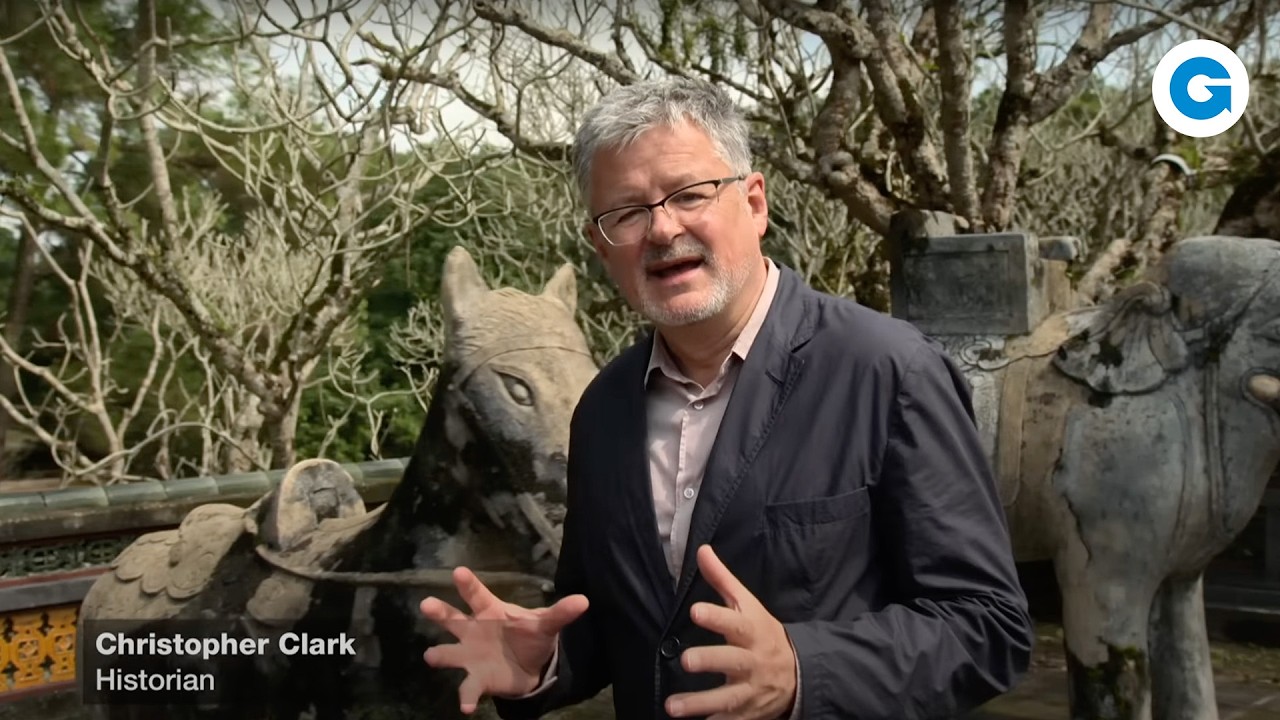
Cambodia, Vietnam, Laos and Indonesia: Christopher Clark's Cultural Itinerary | Full Documentary
⚡ THE VIBE
✨Cultural Heritage is the breathtaking legacy of physical artifacts and intangible attributes inherited from past generations, maintained in the present, and bestowed for the benefit of future generations, acting as a profound mirror to our collective human story. It's the very soul of societies, connecting us through time and tradition. 📜💖
§1What is Cultural Heritage, Really?
Imagine a giant, ever-evolving scrapbook filled with humanity's greatest hits, its deepest sorrows, its most ingenious inventions, and its most cherished stories. That's Cultural Heritage! It's the legacy of physical artifacts and intangible attributes inherited from past generations, maintained in the present, and bestowed for the benefit of future generations. It’s not just about grand monuments or priceless artworks; it’s also the songs we sing, the languages we speak, the recipes we pass down, the dances we perform, and the values we hold dear. It’s the very essence of who we are and where we come from. Think of it as our collective DNA, but for culture! 🧬🎨
§2Tangible vs. Intangible: Two Sides of the Same Coin 🪙
Cultural Heritage is often split into two fascinating categories, though they're deeply intertwined. First, we have Tangible Heritage – the stuff you can touch, see, and often visit. This includes:
- Monuments: Think the Pyramids of Giza, the Great Wall of China, or the Eiffel Tower.
- Sites: Like Machu Picchu or the ancient city of Petra.
- Artifacts: From ancient pottery to Renaissance paintings, historical documents, and archaeological finds.
Then there's the equally vital Intangible Cultural Heritage (ICH), which UNESCO has championed since 2003. This is the living heritage, the practices, representations, expressions, knowledge, and skills that communities recognize as part of their cultural patrimony. It includes:
- Oral traditions: Storytelling, epic poems, proverbs.
- Performing arts: Music, dance, theatre.
- Social practices, rituals, and festive events: Carnivals, religious ceremonies, traditional festivals.
- Knowledge and practices concerning nature and the universe: Traditional medicine, indigenous ecological knowledge.
- Traditional craftsmanship: Weaving, pottery, calligraphy.
Both are crucial for understanding the full spectrum of human experience and creativity! ✨🎶
§3Why It Matters: The Pulse of Identity and Connection ❤️
Why do we pour so much effort into preserving a crumbling castle or documenting a dying language? Because Cultural Heritage is profoundly important for several reasons:
- Identity: It gives individuals and communities a sense of belonging, continuity, and self-worth. It answers the question, 'Who am I?'
- Education: It's a powerful teacher, offering insights into history, human ingenuity, and diverse ways of life. It helps us learn from the past.
- Economic Driver: Tourism centered around heritage sites generates significant revenue and creates jobs, supporting local economies.
- Social Cohesion: Shared heritage can unite people, fostering mutual understanding and respect among different groups.
- Inspiration: It fuels creativity in art, literature, and innovation. Many modern breakthroughs have roots in ancient knowledge or artistic traditions.
In an increasingly globalized world, protecting our unique cultural expressions becomes even more critical to prevent homogenization and celebrate the beautiful diversity of humanity. 🌈💡
§4Challenges & Conservation in the 21st Century 🛡️
Preserving Cultural Heritage in 2026 is a monumental task, fraught with challenges. Climate change threatens coastal sites and ancient structures with rising sea levels and extreme weather. Urban development often clashes with archaeological preservation. Conflict zones see deliberate destruction and looting of priceless artifacts, a tragic loss for all humanity. Even tourism, while beneficial, can lead to degradation if not managed sustainably.
However, incredible efforts are underway! Organizations like UNESCO (United Nations Educational, Scientific and Cultural Organization) lead global initiatives, designating World Heritage Sites and safeguarding Intangible Cultural Heritage. Digitalization projects are creating virtual archives, 3D models, and online access to artifacts, democratizing heritage and protecting it from physical threats. Local communities are increasingly empowered to manage and protect their own heritage, recognizing that they are the primary custodians. It's a race against time, but one filled with passion and innovation! 🚀🏛️
§5The Future of Our Past: A Living Legacy 🌐
Looking ahead, Cultural Heritage isn't just about looking back; it's about a dynamic, living relationship with our past that informs our present and future. We're seeing exciting trends like community-led heritage initiatives, where indigenous groups and local populations are at the forefront of preserving their unique traditions and sites. The rise of digital humanities is transforming how we study, experience, and interact with heritage, from virtual reality tours of ancient cities to AI-powered linguistic analysis of historical texts.
Ultimately, Cultural Heritage is a reminder that we are all part of a grand, ongoing narrative. Each generation adds its chapter, and by understanding and cherishing what came before, we can write a more informed, vibrant, and connected future. It’s a continuous conversation across millennia, and we are the current participants. What legacy will we leave? 🤔✍️