Counterculture Movements
When the mainstream just isn't vibing, a new wave rises. 🌊
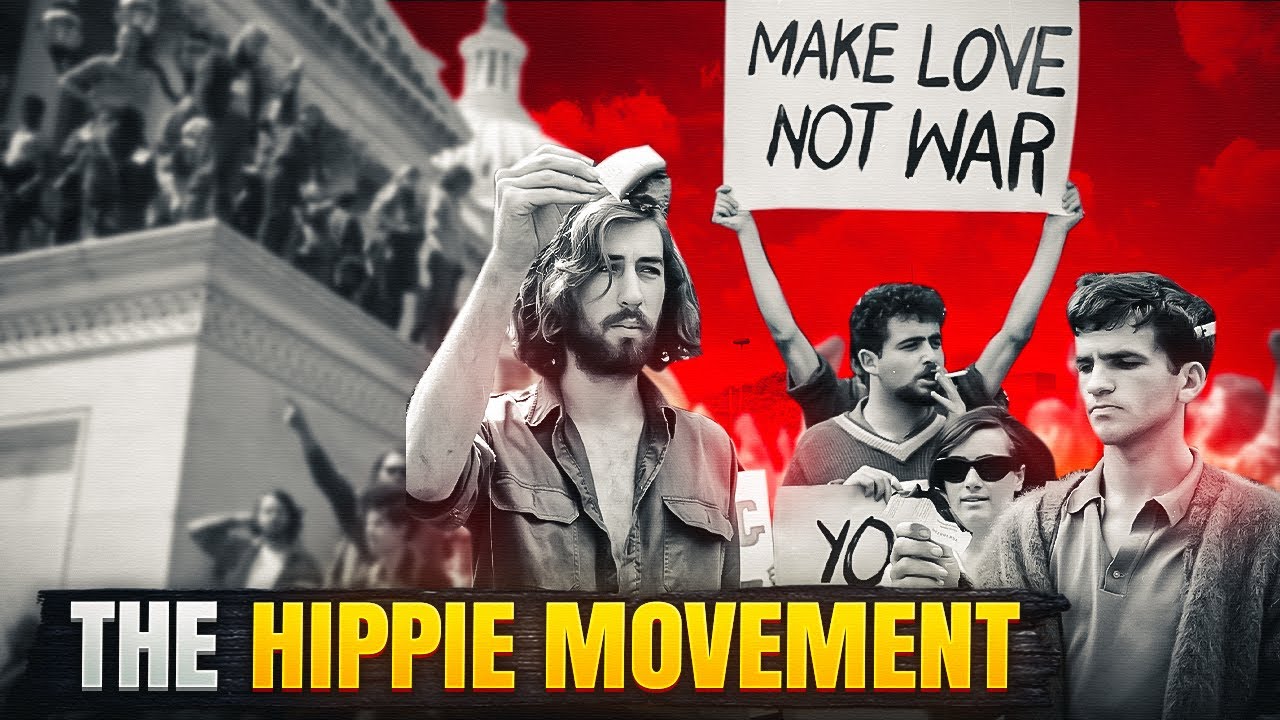
The Hippie Movement – 1960s Counterculture
⚡ THE VIBE
✨Counterculture movements are the vibrant, often tumultuous, forces that challenge dominant societal norms, values, and institutions, sparking profound shifts in everything from politics to fashion. They are the restless pulse of society, always pushing boundaries and questioning the status quo. 💥
§1What is Counterculture, Anyway? 🤔
Imagine a society as a mighty river, flowing in a generally agreed-upon direction. A counterculture is like a powerful eddy or a new stream forging its own path, actively resisting the main current. It's not just about being different; it's about consciously and collectively rejecting mainstream values, often in favor of alternative lifestyles, political ideologies, and artistic expressions. Think of it as a societal immune response, bubbling up when a significant portion of the population feels alienated or oppressed by the prevailing system. These movements aren't just protests; they're alternative realities being built from the ground up, offering new ways to live, love, and think. 🧠
§2The Roots of Rebellion: A Historical Snapshot 🌳
While the term 'counterculture' gained traction in the 1960s, the spirit of rebellion is as old as civilization itself. From early Christian communities challenging Roman paganism to the Bohemian artists of 19th-century Paris, people have always sought alternatives. However, the modern concept truly solidified post-World War II. The Beat Generation of the 1950s, with figures like Jack Kerouac and Allen Ginsberg, laid crucial groundwork. They critiqued materialism and conformity, embracing jazz, poetry, and a nomadic lifestyle. This intellectual and artistic ferment set the stage for the explosive 1960s Counterculture – the one most people think of. Fueled by disillusionment with the Vietnam War, civil rights struggles, and a longing for peace and love, this era saw the rise of hippies, psychedelic art, and a profound questioning of authority. ✌️
§3The Anatomy of a Movement: How it Works 🛠️
Countercultures typically emerge from a confluence of factors: social discontent, often stemming from economic inequality, political injustice, or cultural stagnation; technological shifts, like the rise of the internet enabling global communication for modern movements; and charismatic leaders or influential thinkers who articulate the collective unease. They often develop their own distinct subcultures, complete with unique aesthetics (fashion, music, art), jargon, and rituals. Think of the punk rock scene's DIY ethos or the rave culture's emphasis on communal dance. These shared elements foster a strong sense of identity and solidarity among participants, creating a powerful 'us vs. them' dynamic with the mainstream. It's a fascinating blend of shared ideals and distinct expressions. 🎨🎶
§4Ripple Effects: Impact & Legacy 🌊
The impact of counterculture movements is often profound and long-lasting, even if their most radical elements eventually fade. The 1960s counterculture, for instance, irrevocably changed Western society, contributing to the civil rights movement, the women's liberation movement, environmentalism, and a general loosening of social mores. Even today, its echoes are felt in everything from sustainable living to modern music festivals. More recent movements, like the Occupy Wall Street protests or various online activist communities, continue this tradition, challenging economic systems and advocating for social justice. While some countercultural ideas are co-opted by the mainstream, others permanently alter the cultural landscape, pushing society towards greater inclusivity, awareness, or simply more interesting fashion choices. They remind us that progress isn't always linear. 🌍
§5The Future of Fringe: What's Next? 🔮
In 2026, the concept of counterculture is more diffuse and digitally native than ever before. The rise of hyper-specific online communities means that 'mainstream' itself is a more fragmented concept. Are TikTok subcultures the new counterculture? Is the push for decentralized finance (DeFi) a countercultural economic movement? The lines are blurring. While large, monolithic movements like the 60s counterculture might be less common, the spirit of challenging norms, seeking authenticity, and building alternative ways of living is thriving in countless smaller, interconnected communities. From ethical AI advocates to off-grid homesteaders, the urge to forge a different path remains a powerful, enduring human drive. The future of counterculture might be less about a single, unified rebellion and more about a mosaic of micro-revolutions. 🚀