Conspiracy Theories
Unraveling the hidden narratives and secret forces shaping our world. 🕵️♀️
Featured partners and sponsors
New advertisers get $25 in ad credits
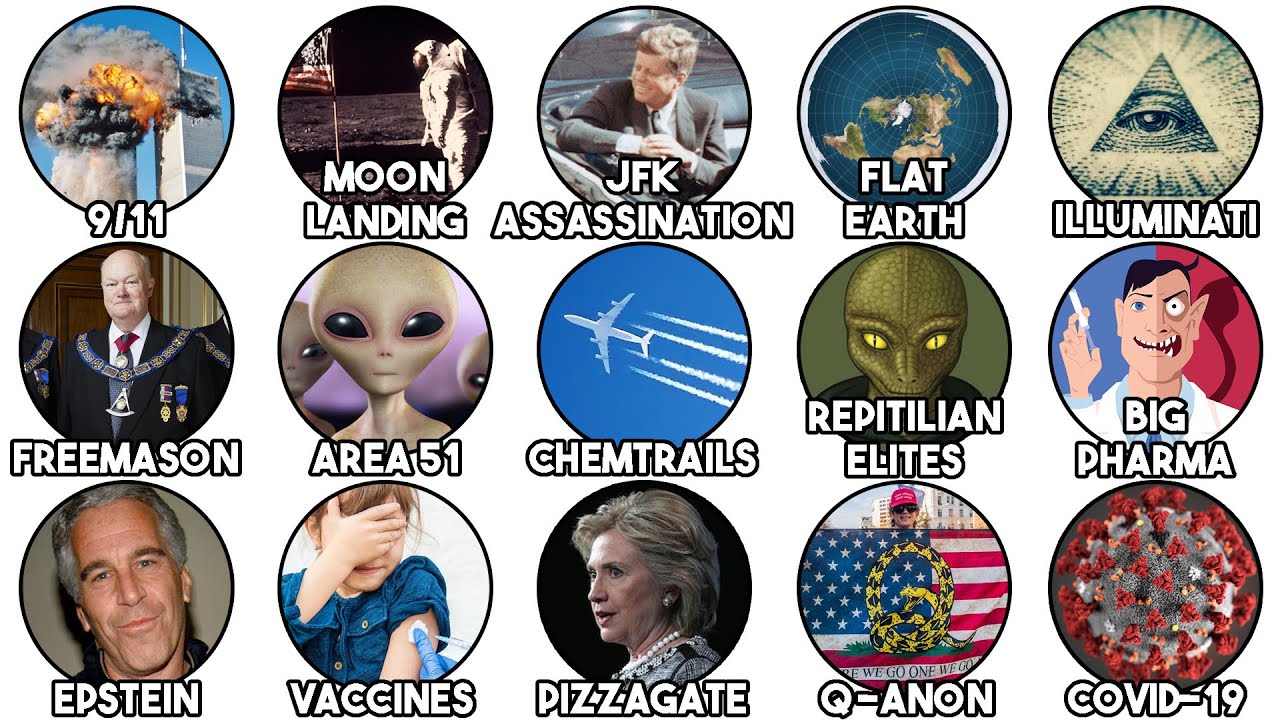
Every Conspiracy Theory Explained in 24 Minutes
⚡ THE VIBE
✨Conspiracy theories are alternative explanations for events or situations that invoke secret plots by powerful and malevolent groups, often challenging official narratives and sparking intense debate. They tap into our innate desire to find meaning and order, even in chaos. 🤯
§1What's the Big Deal? Understanding the Phenomenon
At its core, a conspiracy theory posits that a group of powerful individuals or organizations are secretly working together to achieve nefarious goals, often at the expense of the public good. Think clandestine meetings, hidden agendas, and a grand scheme orchestrated behind the scenes. 🎭 These theories aren't just idle speculation; they often provide a compelling, albeit unproven, narrative that can feel more satisfying than complex, messy realities. From the JFK Assassination to the moon landing, human history is peppered with moments ripe for conspiratorial thinking. It's a fascinating lens through which to view human psychology, societal anxieties, and the eternal quest for truth. 💡
§2A Deep Dive into Origins & Evolution
The roots of conspiratorial thinking stretch back through millennia. Ancient Roman historians documented plots against emperors, and medieval Europe saw widespread belief in secret societies like the Knights Templar manipulating events. However, the modern concept of a 'conspiracy theory' as a distinct cultural phenomenon really took off in the 20th century, especially post-World War II. The rise of mass media, the Cold War's climate of suspicion, and major historical shocks like the assassination of President Kennedy created fertile ground for these narratives to flourish. 🌍
Fast forward to the 21st century, and the internet has become a superhighway for conspiracy theories. Social media platforms act as echo chambers, allowing unverified claims to spread globally at lightning speed, connecting believers and amplifying narratives in ways previously unimaginable. The speed and reach are unprecedented, making it harder than ever to distinguish fact from fiction. 🌐
§3The Psychology Behind the Veil: Why We Believe
Why do people gravitate towards conspiracy theories? It's a complex cocktail of psychological and social factors. Firstly, they offer a sense of control and understanding in an unpredictable world. When faced with a tragic or confusing event, a simple, powerful explanation – even if it involves a secret cabal – can be more comforting than accepting random chance or complex systemic failures. Secondly, they often fulfill a need for belonging; joining a community of like-minded believers can provide social connection and a shared identity. 🤝
Cognitive biases also play a huge role. The confirmation bias makes us seek out and interpret information that confirms our existing beliefs, while the proportionality bias suggests that big events must have big, important causes. So, a massive event like a pandemic must be the result of a grand design, not just a natural phenomenon. It's a powerful framework for making sense of the world, even if that sense is built on shaky ground. 🧠
§4Impact & Implications: More Than Just Stories
The impact of conspiracy theories extends far beyond mere intellectual curiosity. They can have profound real-world consequences, both positive and negative. On one hand, a healthy dose of skepticism towards official narratives can be a vital component of a functioning democracy, encouraging critical thinking and holding power accountable. Think of investigative journalism uncovering actual conspiracies, like Watergate. 🕵️♂️
However, the darker side is significant. Conspiracy theories can erode trust in institutions (science, government, media), fuel political extremism, encourage dangerous behaviors (like vaccine hesitancy), and even incite violence. They can polarize societies, making rational dialogue and collective action incredibly difficult. Understanding their mechanics is crucial for navigating our increasingly complex information landscape. It's not just about what people believe, but why they believe it, and what that belief drives them to do. ⚡