Conservation Biology
The urgent science of saving Earth's incredible biodiversity. 🌍✨
Featured partners and sponsors
New advertisers get $25 in ad credits
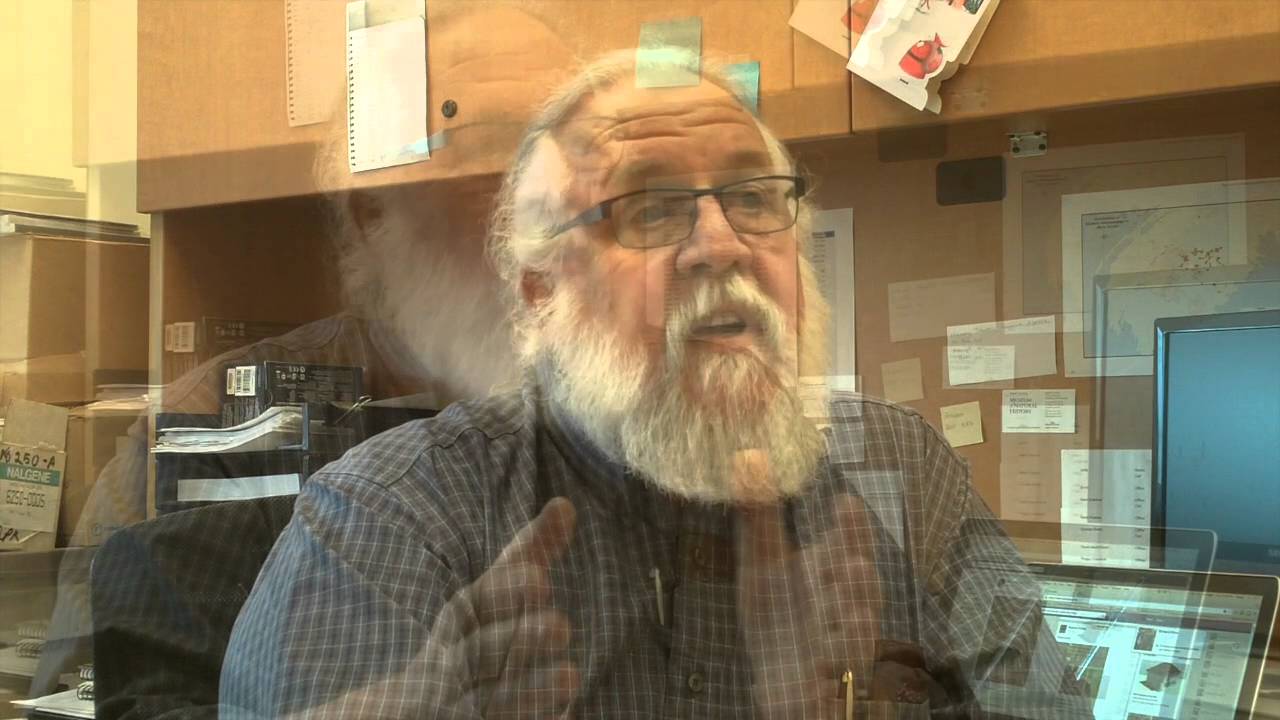
Conservation Biology Documentary
⚡ THE VIBE
✨Conservation Biology is the urgent, multidisciplinary scientific field dedicated to protecting Earth's biodiversity from the relentless pressures of human activity, striving to prevent extinction and preserve ecological integrity. It's where science meets activism, driven by the profound understanding that every species matters. 🌿
§1What is Conservation Biology? A Call to Action! 🚨
Imagine a world losing its vibrant colors, its unique melodies, its very soul. That's the stark reality that birthed Conservation Biology. It's not just about counting pandas or planting trees; it's a holistic, mission-oriented scientific discipline that sprung from a growing awareness of the biodiversity crisis. Unlike traditional biology, which often studies life for its own sake, conservation biology is inherently applied and normative—meaning it seeks to understand and then act to prevent the loss of life on Earth. It's a field that asks: 'How do we keep this incredible tapestry of life from unraveling?' and then, crucially, 'What do we do about it?' It blends ecology, genetics, evolutionary biology, economics, ethics, and even sociology to tackle the most pressing environmental challenges of our time. Think of it as Earth's emergency room, but with a focus on long-term health and prevention. 💚
§2The Genesis of a Movement: From Observation to Intervention 🕰️
While people have always cared for nature, the formal discipline of Conservation Biology emerged in the late 1970s and early 1980s. Scientists like Michael Soulé and Paul Ehrlich recognized that traditional ecological studies, while valuable, weren't adequately addressing the accelerating rates of habitat destruction and species extinction. They saw the writing on the wall: a 'sixth mass extinction' event was underway, largely driven by human activity. The first International Conference on Conservation Biology in 1978, organized by Soulé, is often cited as a foundational moment, bringing together diverse scientists to forge a new, interdisciplinary field. It was a pivotal shift from merely observing nature's decline to actively intervening to reverse it. This era also saw the rise of influential organizations like the World Wildlife Fund and the International Union for Conservation of Nature (IUCN), amplifying the message and providing platforms for action. 🚀
§3The Toolkit: How Conservation Biologists Save the World 🛠️
So, how do they do it? Conservation biologists employ an incredible array of tools and strategies. On the ground, this might involve habitat restoration (like replanting forests or cleaning rivers), species reintroductions (bringing back animals to areas where they've vanished), or establishing protected areas (national parks, wildlife reserves). In the lab, they use cutting-edge genetics to understand population health, track illegal wildlife trade, and even identify 'extinction debt'—species doomed to disappear even if current conditions improve. They also delve into population dynamics to model how species interact and predict their future, and use GIS mapping to identify critical habitats. Beyond the science, a huge part of the work involves policy advocacy, working with governments and communities to create sustainable practices and enforce environmental laws. It's a constant dance between scientific rigor and real-world application, often involving complex ethical dilemmas. 📊🧬🌳
§4Why It Matters: Biodiversity, Ecosystem Services, and Our Future 🌟
Why should we care about a rare beetle or a distant rainforest? Because biodiversity isn't just pretty; it's the operating system of our planet. Every species, every ecosystem, plays a role in providing essential ecosystem services that we often take for granted: clean air and water, fertile soil for food, pollination of crops, climate regulation, and even sources for new medicines. Losing biodiversity means losing these services, which directly impacts human well-being, economic stability, and global health. Think of the recent COVID-19 pandemic and its links to zoonotic spillover—a stark reminder of how interconnected human and environmental health are. Conservation Biology is fundamentally about securing a healthy, resilient future for all life on Earth, including our own. It's about preserving the wonder, the beauty, and the sheer potential of the natural world. 💡💧🍎
§5Challenges & Controversies: The Road Ahead 🚧
The path of conservation is rarely smooth. Conservation Biology grapples with immense challenges, from the relentless pressures of climate change and habitat fragmentation to poaching and pollution. There are also significant social and ethical dimensions. How do we balance human development needs with conservation goals? Who bears the cost of protecting endangered species? The concept of 'fortress conservation,' which historically excluded local communities from protected areas, has evolved into more inclusive, community-based approaches. Furthermore, the field constantly debates the efficacy of different interventions, the role of de-extinction technologies, and how to effectively communicate the urgency of the crisis to a global audience. It's a field of constant learning, adaptation, and passionate debate, pushing the boundaries of what's possible. 🗣️🌍
§6The Legacy and Future: A Hopeful Horizon? 🌅
Despite the daunting challenges, Conservation Biology has achieved remarkable successes, from bringing species like the California Condor back from the brink to establishing vast marine protected areas. Its legacy is one of unwavering dedication to life. Looking ahead to 2026 and beyond, the field is increasingly integrating AI and big data for monitoring and prediction, exploring rewilding initiatives on a grand scale, and focusing on nature-based solutions for climate change. The future of Conservation Biology is not just about preventing loss, but about actively rebuilding and restoring the health of our planet, fostering a deeper, more harmonious relationship between humanity and the natural world. It's a story still being written, and we all have a part to play. Let's make it a blockbuster! 🎬🌱