Brussels, Belgium
The Heart of Europe, Where Waffles Meet World Politics! 🌍🧇
Featured partners and sponsors
New advertisers get $25 in ad credits
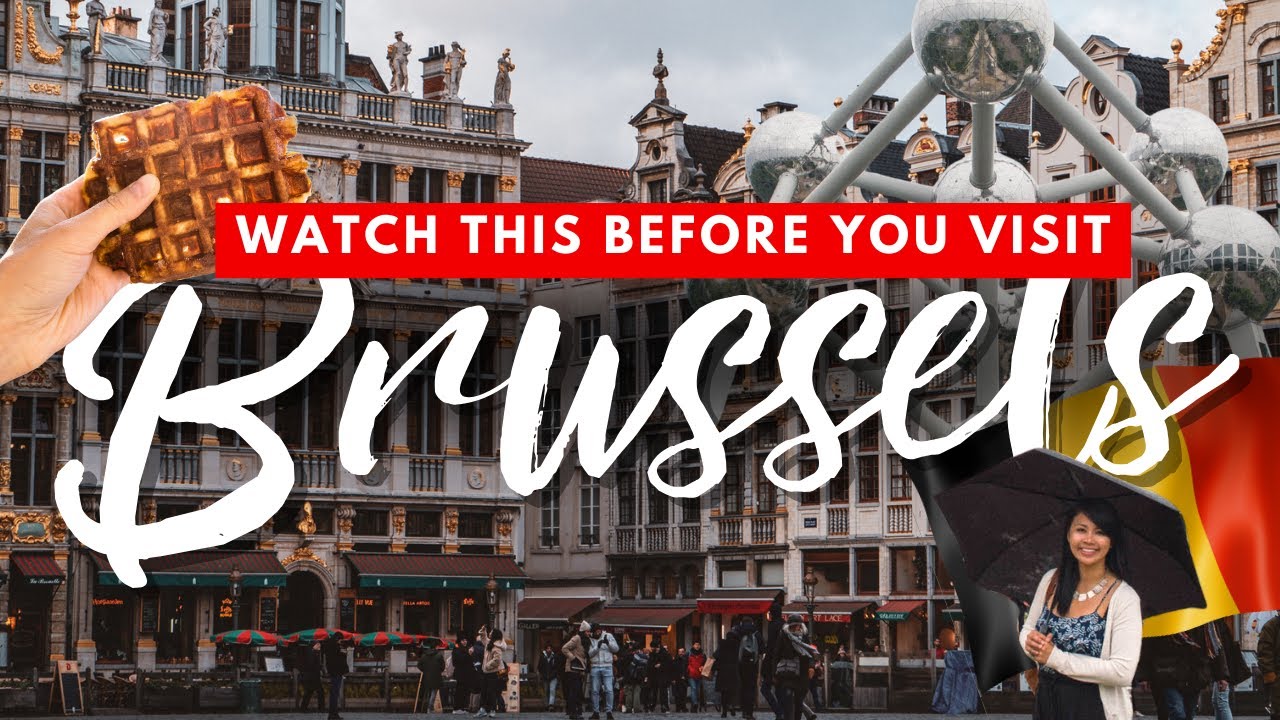
BRUSSELS TRAVEL TIPS FOR FIRST TIMERS | 20+ Must-Knows Before Visiting Brussels + What NOT to Do!
⚡ THE VIBE
✨Brussels isn't just the capital of Belgium; it's the **de facto capital of the European Union**, a vibrant bilingual metropolis where medieval grandeur meets modern bureaucracy, and every street corner offers a taste of history and a whiff of delicious chocolate. 🍫
§1A Grand Introduction to Europe's Crossroads 🌍
Welcome to Brussels, a city that effortlessly blends historic charm with contemporary dynamism. It's a place where you can stroll through cobblestone squares that have witnessed centuries of history, then turn a corner and find yourself amidst the gleaming glass towers of international diplomacy. Often called the 'Capital of Europe,' Brussels is far more than just a political hub; it's a cultural melting pot, a culinary delight, and a city with a surprisingly quirky soul. From its iconic Grand Place to its world-renowned chocolates and beers, Brussels offers an experience unlike any other. Get ready to explore a city that's both deeply rooted in its past and constantly shaping the future! ✨
§2From Marshland to Metropolis: A Brief History 🏰
The story of Brussels begins humbly, as a settlement on the Senne River in the 10th century. Founded around 979 CE when Duke Charles of Lower Lotharingia built a fortress on Saint-Géry Island, it quickly grew into an important trading post. By the 13th century, it was a thriving city, known for its textile industry. Brussels became the capital of the Duchy of Brabant, and later, the Southern Netherlands under Burgundian and Habsburg rule. Its strategic location meant it frequently found itself at the center of European conflicts, yet it always rebuilt, often grander than before. The 19th century saw it become the capital of newly independent Belgium in 1830. Post-World War II, Brussels' destiny shifted dramatically as it was chosen to host major international organizations, cementing its role as a global political center. This rich, often tumultuous history has left an incredible architectural and cultural tapestry. 🕰️
§3The Heartbeat of the European Union 🇪🇺
Perhaps Brussels' most significant modern identity is its role as the de facto capital of the European Union. It hosts the principal institutions of the EU, including the European Commission, the Council of the European Union, and a significant portion of the European Parliament. This concentration of power and influence makes Brussels a crucial player on the world stage, attracting diplomats, lobbyists, and international professionals from every corner of the globe. The 'European Quarter' is a bustling district where decisions impacting half a billion people are made daily. This unique status has transformed Brussels into a truly multicultural city, with a vibrant expat community and a fascinating blend of languages and cultures. It's a living laboratory of global governance! 🌐
§4Beyond Bureaucracy: Culture, Cuisine, and Quirks 🎨
While its political role is undeniable, Brussels truly shines through its vibrant culture and incredible cuisine. Foodies rejoice! Belgium is famous for its waffles (Brussels and Liège varieties), frites (often served with a dizzying array of sauces), and, of course, chocolate. World-renowned chocolatiers like Godiva, Neuhaus, and Leonidas have their roots here. And let's not forget Belgian beer – with thousands of varieties, from Trappist ales to lambics, it's a true art form. 🍻 The city is also a haven for art lovers, boasting world-class museums like the Royal Museums of Fine Arts of Belgium and the Magritte Museum. Don't miss the iconic Manneken Pis, a cheeky little statue that embodies Brussels' playful spirit, and its female counterpart, Jeanneke Pis. The city is also the birthplace of many beloved comic strip characters, including Tintin, celebrated at the Belgian Comic Strip Center. 🖼️
§6Getting There & Local Tips ✈️
Brussels is incredibly well-connected, making it easy to reach from anywhere in Europe and beyond. The main international airport is Brussels Airport (BRU), with excellent train connections to the city center. For train travel, Brussels-Midi/Zuid Station is a major hub for high-speed services like Eurostar and Thalys. Once in the city, Brussels has an efficient public transport network operated by STIB/MIVB, including metros, trams, and buses. Consider purchasing a Brussels Card for discounts on attractions and public transport. Remember that Brussels is officially bilingual (French and Dutch), but English is widely spoken, especially in tourist areas and the European Quarter. Don't be afraid to try a few words in both French and Dutch – it's always appreciated! Enjoy your exploration of this dynamic city! 🚀