Brexit Referendum 2016
The Vote That Reshaped a Continent and Divided a Nation 🌍🗳️
Featured partners and sponsors
New advertisers get $25 in ad credits
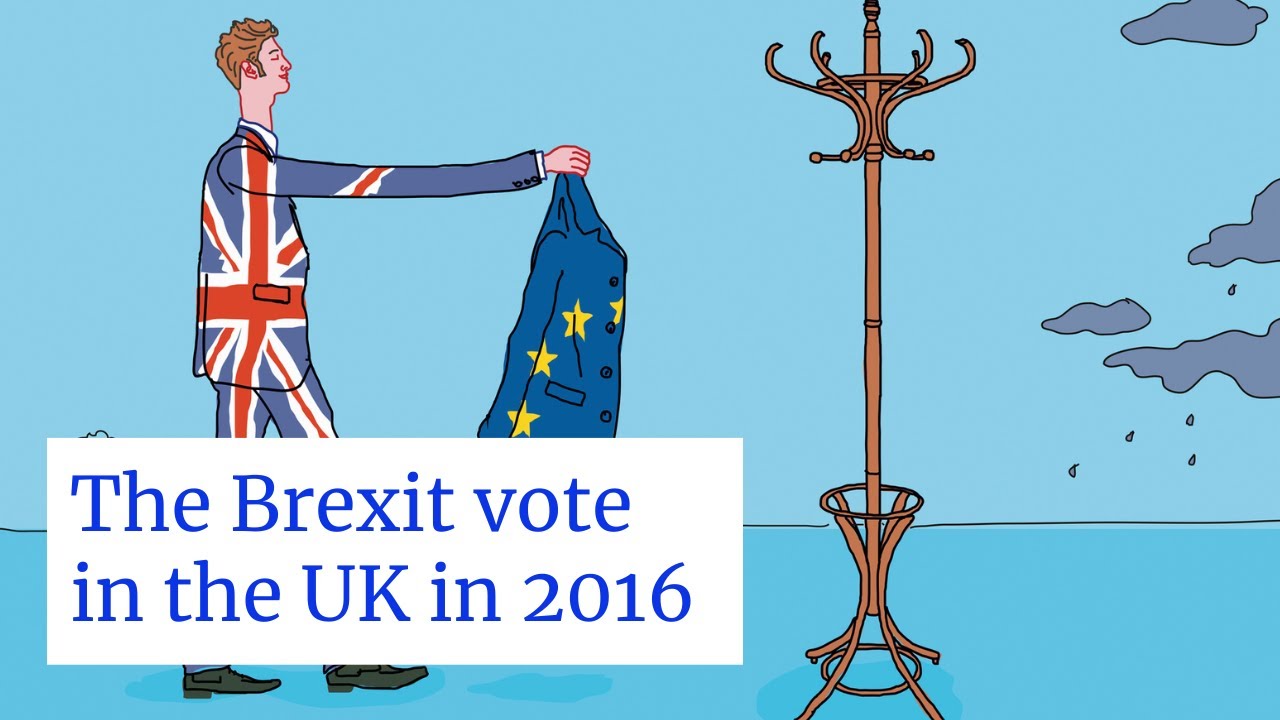
The Brexit vote in the UK in 2016 | Brexit Britain: The inside story of how the Leave campaign won
⚡ THE VIBE
✨The **Brexit Referendum of 2016** was a seismic political event where the United Kingdom voted to leave the European Union, triggering a cascade of geopolitical shifts and profound domestic upheaval that continues to reverberate today. It was a moment of national reckoning, fueled by complex historical currents and future aspirations. 🇬🇧🇪🇺
§1The Vote Heard 'Round the World 🔊
On June 23, 2016, the United Kingdom held a nationwide referendum to decide whether to remain a member of the European Union or to leave. The question put to voters was simple: "Should the United Kingdom remain a member of the European Union or leave the European Union?" The outcome, a 51.9% vote in favor of 'Leave' versus 48.1% for 'Remain', sent shockwaves across the globe. 🌊 This wasn't just a political decision; it was a cultural and economic earthquake, challenging decades of integration and redefining Britain's place on the world stage. The sheer audacity of the vote, and its unexpected result, captivated international observers and ignited fervent debate. 🤔
§2Roots of Discontent: A Historical Tapestry 📜
The seeds of the Brexit referendum were sown decades earlier, long before the term 'Brexit' even existed. The UK's relationship with European integration had always been unique, often characterized by a degree of ambivalence. While joining the European Economic Community (EEC) in 1973 was seen by many as an economic necessity, a significant portion of the population harbored concerns about sovereignty and national identity. 🇬🇧 The Maastricht Treaty in 1992, which established the European Union and introduced the concept of European citizenship, further fueled these anxieties. Key figures like Margaret Thatcher and later John Major grappled with the growing influence of Brussels. By the 2010s, a potent mix of economic grievances, concerns about immigration, and a desire for greater national control coalesced into a powerful movement advocating for departure, championed by parties like UKIP and influential figures within the Conservative Party. 🗣️
§3The Campaign: Fear, Hope, and Division ⚔️
The referendum campaign itself was one of the most intense and divisive in modern British history. The 'Leave' campaign, often spearheaded by figures like Boris Johnson and Nigel Farage, focused on themes of sovereignty, controlling borders, and the economic benefits of being free from EU regulations. Their slogan, "Take Back Control," resonated deeply with many. 🚀 The 'Remain' campaign, led by then-Prime Minister David Cameron, emphasized economic stability, security, and the benefits of membership, warning of the potential risks and uncertainties of leaving. ⚠️ Both sides made bold claims, often stretching the truth, and the debate frequently devolved into heated exchanges. Social media played a significant role, amplifying narratives and contributing to an increasingly polarized public discourse. The tragic assassination of MP Jo Cox just days before the vote underscored the fraught atmosphere. 💔
§4Aftershocks and the Road to Departure 🎢
The immediate aftermath of the 'Leave' vote was chaotic. Prime Minister David Cameron resigned, triggering a leadership contest that saw Theresa May take the helm. Article 50 of the Treaty on European Union, the formal mechanism for leaving, was triggered in March 2017, setting a two-year countdown. ⏳ The subsequent years were dominated by complex and often acrimonious negotiations with the EU, parliamentary deadlock, and deep divisions within both major political parties and the country at large. The UK officially left the EU on January 31, 2020, followed by a transition period that ended on December 31, 2020, solidifying its new relationship with the bloc under the Trade and Cooperation Agreement. The economic, social, and political consequences continue to be analyzed and debated, shaping the UK's trajectory in the 2020s. 📊
§5Legacy and Lingering Questions 🤔
The Brexit Referendum of 2016 remains a watershed moment in contemporary history. Its legacy is multifaceted, impacting everything from international trade and diplomatic relations to domestic policy and national identity. It highlighted deep societal fault lines, exposing disparities in economic opportunity and cultural values across the UK. 🌐 The debate over the long-term benefits and costs of Brexit is far from settled, with ongoing discussions about trade deals, immigration policy, and the future of the United Kingdom itself, particularly concerning Northern Ireland and Scotland. The referendum serves as a powerful case study in direct democracy, political campaigning, and the profound ripple effects of a single national vote. It's a reminder that history is not a straight line, and the choices made in one moment can redefine generations. 🌟
§6Further Reading & Official Resources 📚
For those keen to delve deeper into the complexities of the Brexit Referendum and its aftermath, here are some invaluable resources:
- The Electoral Commission: For official results and campaign finance information: The Electoral Commission
- UK Parliament: For legislative processes and debates surrounding Brexit: UK Parliament
- European Union: For the EU's perspective and official documents: European Union
- Institute for Government: An independent think tank providing analysis on government policy: Institute for Government
- House of Commons Library: For detailed briefings and research papers: House of Commons Library These organizations offer a wealth of information to understand the historical context, the campaign, and the ongoing impact of this pivotal event. 📖