Body Neutrality
Beyond love or hate: embracing your body as a functional vessel 🧘♀️
Featured partners and sponsors
New advertisers get $25 in ad credits
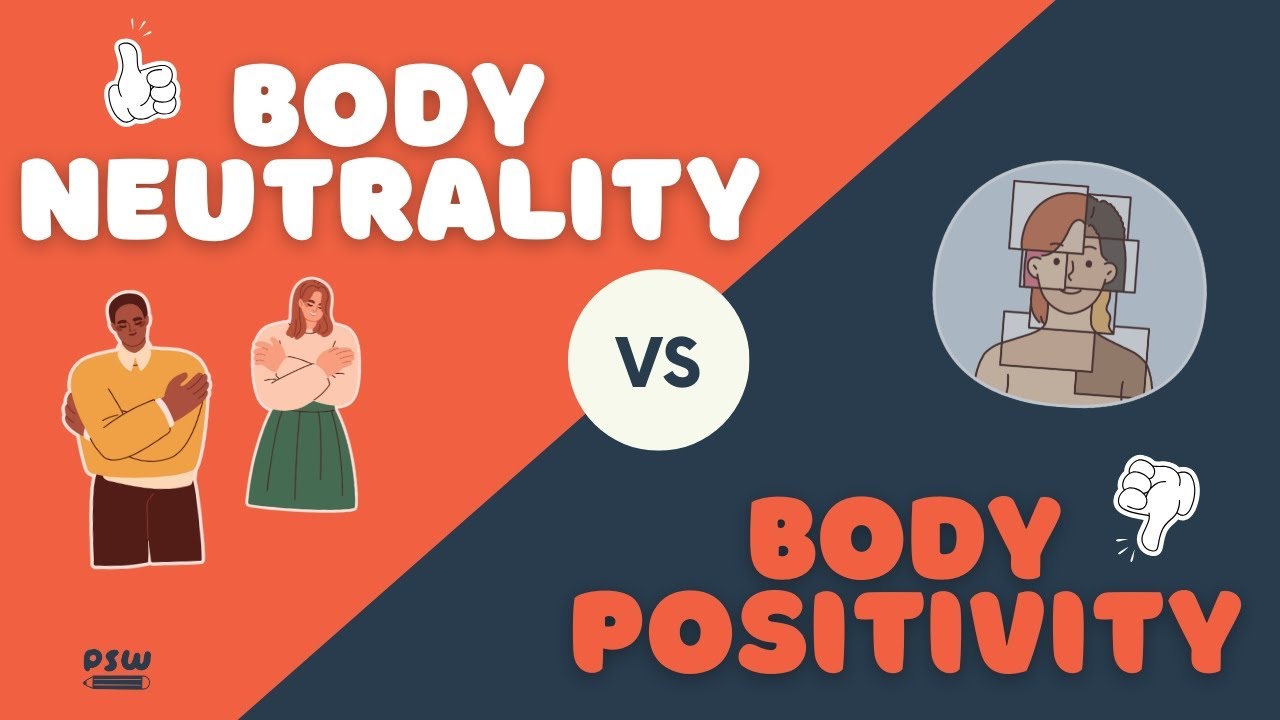
Body Image: What's the Difference Between Body Positivity and Body Neutrality?
⚡ THE VIBE
✨Body Neutrality is a powerful movement that shifts the focus from *how your body looks* to *what your body does*, advocating for a respectful, functional relationship with oneself rather than constant self-evaluation. It's about finding peace and appreciation for your physical form, free from the pressures of societal beauty standards. ✨
§1What is Body Neutrality? The Calm Revolution ⚖️
In a world obsessed with appearances and often fraught with self-criticism, Body Neutrality emerges as a refreshing and profoundly liberating concept. Unlike Body Positivity, which encourages actively loving and celebrating your body, body neutrality proposes a more zen approach: acknowledging and respecting your body for its functions, without necessarily feeling intense love or hate for its aesthetic. It's about recognizing that your body is a vehicle for your life, a sophisticated machine that allows you to experience the world, rather than an object to be constantly judged, optimized, or adored. Think of it as a truce in the never-ending battle against societal beauty ideals. 🕊️
§2Roots & Evolution: From Positivity to Peace 🌳
While the term 'body neutrality' gained significant traction in the 2010s, its philosophical underpinnings can be traced back to earlier feminist and wellness movements that challenged conventional beauty standards. It arose partly as a response to some criticisms of body positivity, which, for some, felt like another form of pressure – the pressure to always love your body, even on days when it felt impossible. Body neutrality offers a gentler, more accessible path. Influential voices in mental health and wellness, particularly on platforms like Instagram and TikTok, helped popularize the concept, providing a framework for individuals seeking a less emotionally charged relationship with their physical selves. It's a testament to our collective journey towards more sustainable self-acceptance. 💡
§3Living Neutrally: Practical Steps & Mindset Shifts 🧠
Adopting a body neutral mindset involves several key shifts. It's not about ignoring your body, but about reframing your internal dialogue. Instead of focusing on a perceived flaw, you might appreciate your legs for carrying you on a hike, or your hands for creating art. This approach often involves: 🚶♀️🎨
- Mindful Movement: Engaging in physical activity for joy and health, not punishment or appearance.
- Intuitive Eating: Listening to your body's hunger and fullness cues, rather than restrictive diets.
- Media Literacy: Critically evaluating the unrealistic beauty standards perpetuated by advertising and social media.
- Functional Appreciation: Focusing on what your body can do – breathe, walk, taste, feel – rather than how it looks.
Resources like the National Eating Disorders Association (NEDA) and mental health professionals often advocate for these practices as part of a holistic approach to well-being. 🌟
§4Impact & Significance: A Path to Liberation 🚀
The rise of body neutrality is a significant cultural marker, reflecting a growing desire for genuine self-acceptance beyond superficial aesthetics. It offers a powerful antidote to the pervasive pressures of diet culture, social media comparison, and unattainable beauty ideals that plague many in 2026. By shifting the conversation from 'love your body' to 'respect your body,' it creates a more inclusive space for everyone, especially those who struggle with body image issues, chronic illness, or disability. It's not about indifference; it's about cultivating a deep, quiet respect for the incredible vessel that carries you through life. This movement empowers individuals to reclaim their mental energy from constant body scrutiny and redirect it towards more meaningful pursuits. 🌈
For more insights into mental health and self-care, check out organizations like the Mental Health America (MHA) and the American Psychological Association (APA). These bodies consistently highlight the importance of healthy self-perception.
§5Challenges & The Future of Self-Perception 🤔
While immensely beneficial, body neutrality isn't without its challenges. In a society still heavily influenced by visual culture and the beauty industry, maintaining a neutral stance can feel like swimming against the current. Critics sometimes argue it might lead to complacency or a lack of self-care, but proponents counter that true neutrality fosters better self-care, driven by health and respect rather than vanity or shame. The future likely holds a continued evolution of these concepts, with body neutrality potentially serving as a foundational step for many on their journey towards deeper self-acceptance and well-being. It's a nuanced conversation, and one that continues to shape how we view ourselves and each other. 💬