
Contents
Overview
The concept of big data emerged from the exponential growth of data generated by the internet, connected devices, and digital technologies. While the term "big data" gained traction in the early 2000s, the need to manage large datasets has roots in earlier data management practices. Early pioneers like John Mashey are credited with popularizing the term, while the development of frameworks like Apache Hadoop in 2005 by Doug Cutting and Mike Cafarella was crucial for handling the increasing scale of data. This era also saw the rise of NoSQL databases, offering alternatives to traditional relational databases for managing diverse data formats, as discussed by sources from IBM and Oracle.
⚙️ How It Works
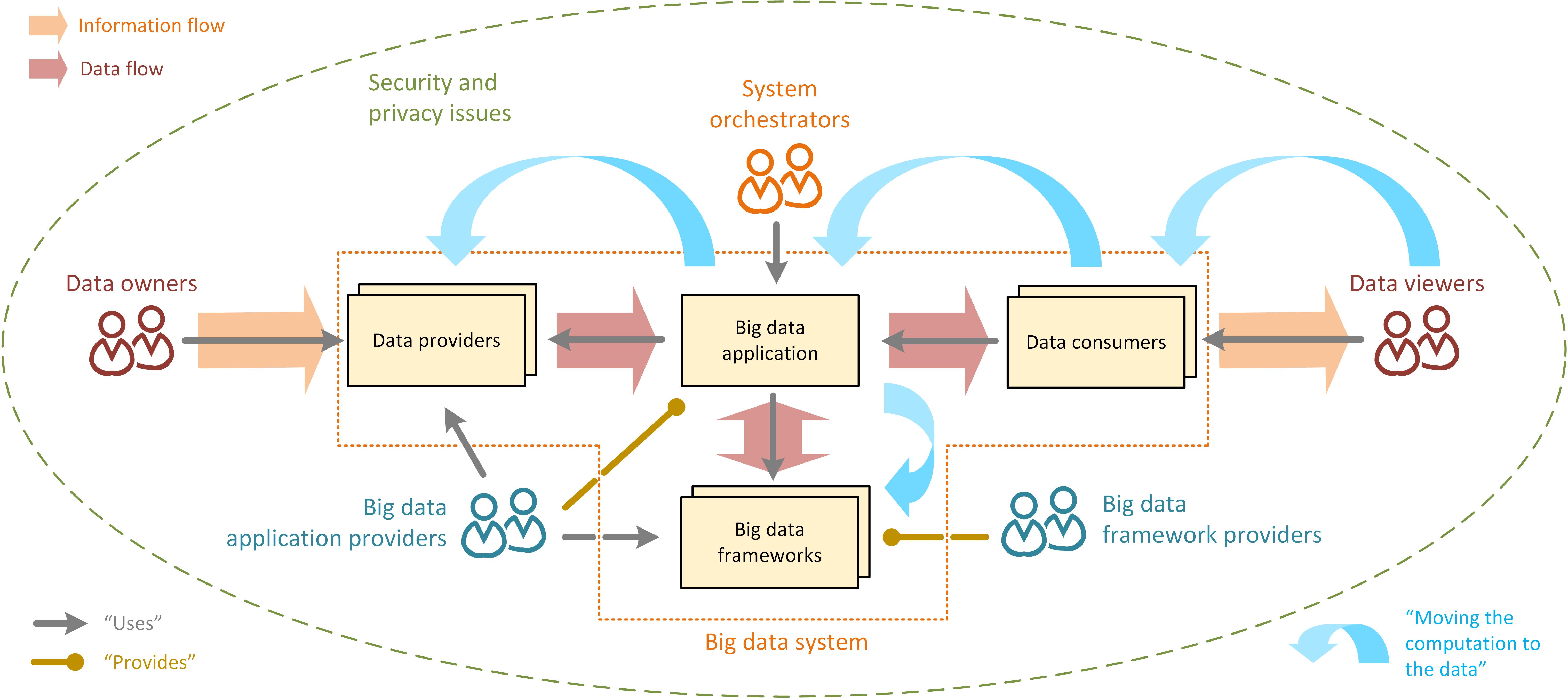
Big data analytics involves collecting, processing, cleaning, and analyzing massive datasets to extract meaningful insights. This process typically begins with data collection from various sources, followed by storage in data lakes or warehouses. Data processing, using techniques like batch or stream processing with tools such as Apache Spark, transforms raw data into a usable format. Data cleaning ensures accuracy and reliability, a critical aspect known as "veracity." Finally, advanced analytics methods, including data mining, predictive analytics, and machine learning, are applied to uncover patterns and trends, as detailed by Tableau and GeeksforGeeks.
🌍 Cultural Impact
Big data has profoundly impacted various sectors, enabling data-driven decision-making and innovation. In retail, it fuels personalized customer experiences and demand forecasting, while in healthcare, it aids in disease prediction and personalized medicine. Financial services leverage big data for fraud detection and stock price forecasting, and manufacturing uses it for predictive maintenance and operational efficiency. The "5 Vs" – volume, velocity, variety, veracity, and value – are central to understanding how big data drives these transformations, as highlighted by IBM and Google Cloud.
🚀 Legacy & Future
The future of big data is intertwined with advancements in artificial intelligence (AI), machine learning, and cloud computing. As storage costs decrease and analytical capabilities expand, the volume and complexity of data will continue to grow. The ongoing evolution of big data technologies, including graph databases and data lakehouses, promises even more sophisticated insights and applications. The challenge remains to effectively manage data quality, privacy, and security while maximizing the value derived from these ever-expanding datasets, as explored by Oracle and Coursera.
Key Facts
- Year
- Early 2000s - Present
- Origin
- Global
- Category
- technology
- Type
- concept
Frequently Asked Questions
What are the "5 Vs" of Big Data?
The "5 Vs" of Big Data are Volume (the sheer amount of data), Velocity (the speed at which data is generated and processed), Variety (the different types of data, including structured, semi-structured, and unstructured), Veracity (the quality and trustworthiness of the data), and Value (the insights and benefits derived from the data).
How is Big Data different from traditional data?
Big data is characterized by its massive volume, high velocity, and diverse variety, which often exceed the capabilities of traditional data processing tools. Traditional data is typically structured and managed in relational databases, while big data encompasses a wider range of formats and requires more advanced analytical techniques and distributed processing systems.
What are some common applications of Big Data analytics?
Big data analytics is used across many industries, including retail for personalized recommendations, healthcare for disease prediction, finance for fraud detection, and manufacturing for predictive maintenance. It helps organizations improve decision-making, optimize operations, and enhance customer experiences.
What technologies are used in Big Data analytics?
Key technologies include frameworks like Apache Hadoop and Apache Spark for distributed storage and processing, NoSQL databases for handling diverse data formats, and advanced analytics tools for data mining, machine learning, and AI. Programming languages like Python and R are also widely used.
What are the main challenges associated with Big Data?
Challenges include managing the sheer volume and velocity of data, ensuring data quality and veracity, addressing privacy and security concerns, finding skilled data professionals, and the cost of implementing and maintaining big data infrastructure.
References
- ibm.com — /think/topics/big-data
- en.wikipedia.org — /wiki/Big_data
- oracle.com — /big-data/what-is-big-data/
- cloud.google.com — /learn/what-is-big-data
- ibm.com — /think/topics/big-data-analytics
- sas.com — /en_us/insights/big-data/what-is-big-data.html
- tableau.com — /analytics/what-is-big-data-analytics
- coursera.org — /articles/big-data-analytics