Ball Culture
Where art, identity, and defiance ignite the runway. Werk!
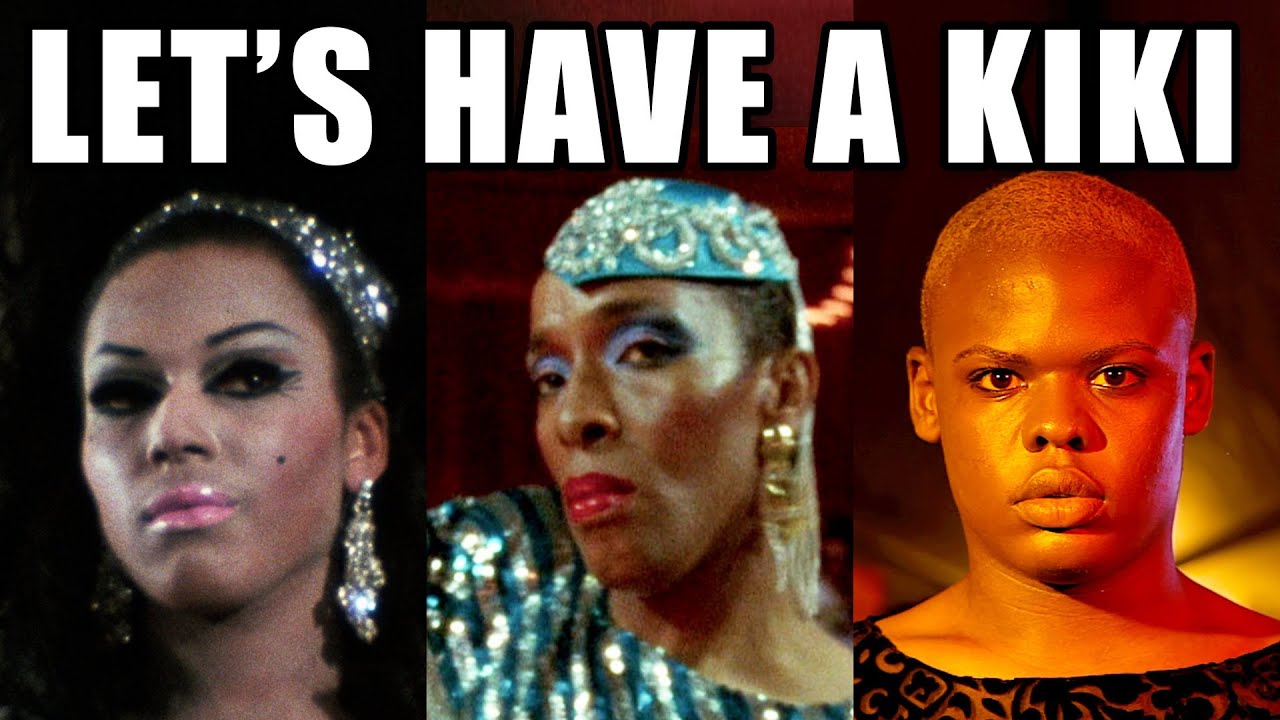
Ballroom History: The 1960s, Paris is Burning, and Today
⚡ THE VIBE
✨Ball Culture is a vibrant, underground subculture primarily led by Black and Latino LGBTQ+ individuals, offering a sanctuary for creative expression, chosen family, and fierce competition through fashion, dance, and performance. It's a powerful testament to resilience, identity, and the creation of spaces where marginalized communities can thrive. 💖
§1Welcome to the Ballroom: An Overview 🌈
Step into the dazzling, defiant world of Ball Culture, also known as the Ballroom Scene! Far from just a party, this is a deeply rooted, intricate subculture born out of necessity and flourishing into an art form. At its core, Ball Culture provides a vibrant, safe space—a chosen family—for Black and Latino LGBTQ+ individuals who were historically, and often still are, ostracized by mainstream society and even their own biological families. Here, participants compete in various categories, showcasing their charisma, uniqueness, nerve, and talent through elaborate costumes, captivating dance, and powerful runway walks. Think of it as a dazzling fusion of fashion show, dance battle, and theatrical performance, all wrapped up in a profound sense of community. 🌟
§2From Harlem's Shadows to Global Spotlight: A Rich History 🕰️
The origins of Ball Culture are deeply intertwined with the struggles and triumphs of marginalized communities. While drag balls have existed since the late 19th century, the modern Ballroom Scene as we know it truly began to coalesce in Harlem, New York City, during the 1960s. Early balls were often segregated, with white performers dominating and Black queens frequently relegated to caricatured roles. This discrimination sparked a revolution: Black and Latino queens started their own balls, creating spaces where they could define their own beauty standards and celebrate their identities without compromise. Pioneers like Crystal LaBeija were instrumental in this shift, leading to the formation of the iconic 'Houses'—chosen families that provided support, mentorship, and a platform for competition. The 1980s and 90s saw a massive surge in popularity, thanks in part to Jennie Livingston's seminal documentary, Paris Is Burning, and Madonna's hit song, 'Vogue', which brought elements of vogueing to the mainstream. 🎥🎶
§3The Houses, Categories, and the Art of Vogue 💃
At the heart of Ball Culture are the Houses. These aren't just teams; they are surrogate families, often led by a 'Mother' or 'Father' who provides guidance, resources, and a sense of belonging to their 'children.' Houses like the House of LaBeija, House of Ninja, and House of Xtravaganza are legendary. Competitors, known as 'Legends' or 'Icons' as they gain status, walk in various categories, each demanding a unique blend of skill, creativity, and attitude. Categories range from 'Face' (celebrating facial beauty) and 'Realness' (passing as a cisgender person in the straight world) to 'Runway' (fashion modeling) and the electrifying 'Vogue Performance.' Vogueing itself is a highly stylized dance form, characterized by striking poses, intricate hand movements, and dramatic dips, mimicking poses from fashion magazines. It's a physical conversation, a storytelling through movement that is both fierce and fluid. 🤸♀️💅
§4Beyond the Glitter: Impact and Significance ✊🏾
Ball Culture is far more than just entertainment; it's a profound cultural phenomenon with deep societal impact. For its participants, it's a lifeline. It offers a crucial support system, fostering self-esteem, providing a creative outlet, and even serving as a network for survival in a world that often rejects them. The scene has been a vital incubator for LGBTQ+ activism and a powerful platform for discussing issues like HIV/AIDS awareness, homelessness, and discrimination. Its influence has permeated mainstream culture, inspiring fashion designers, musicians, and artists globally. From the runways of New York Fashion Week to hit TV shows like Pose and RuPaul's Drag Race, the aesthetics, language, and spirit of the Ballroom have become undeniable forces in contemporary art and media. It's a testament to the enduring power of marginalized communities to create beauty, joy, and meaning in the face of adversity. ✨🌍
§5Challenges, Evolution, and the Future of the Scene 🚀
While Ball Culture has gained significant mainstream recognition, it continues to navigate challenges. The commercialization of its elements sometimes raises concerns about appropriation, with some feeling that the origins and struggles are overlooked when mainstream media adopts its aesthetics. However, the scene itself remains resilient and ever-evolving. New generations of 'children' are joining Houses, bringing fresh energy and innovation to the categories and performances. Technology has also played a role, with social media platforms allowing for wider sharing and connection within the global Ballroom community, while also sparking debates about maintaining the scene's sacred, intimate spaces. As we move through 2026, Ball Culture stands as a powerful reminder of the human spirit's capacity for creativity, resilience, and the unwavering pursuit of belonging and self-expression. It's a living, breathing history, constantly redefining what it means to be fabulous and free. 💖🔮