Authenticity Online
Navigating the real vs. the curated in the digital age. 🎭✨
Featured partners and sponsors
New advertisers get $25 in ad credits
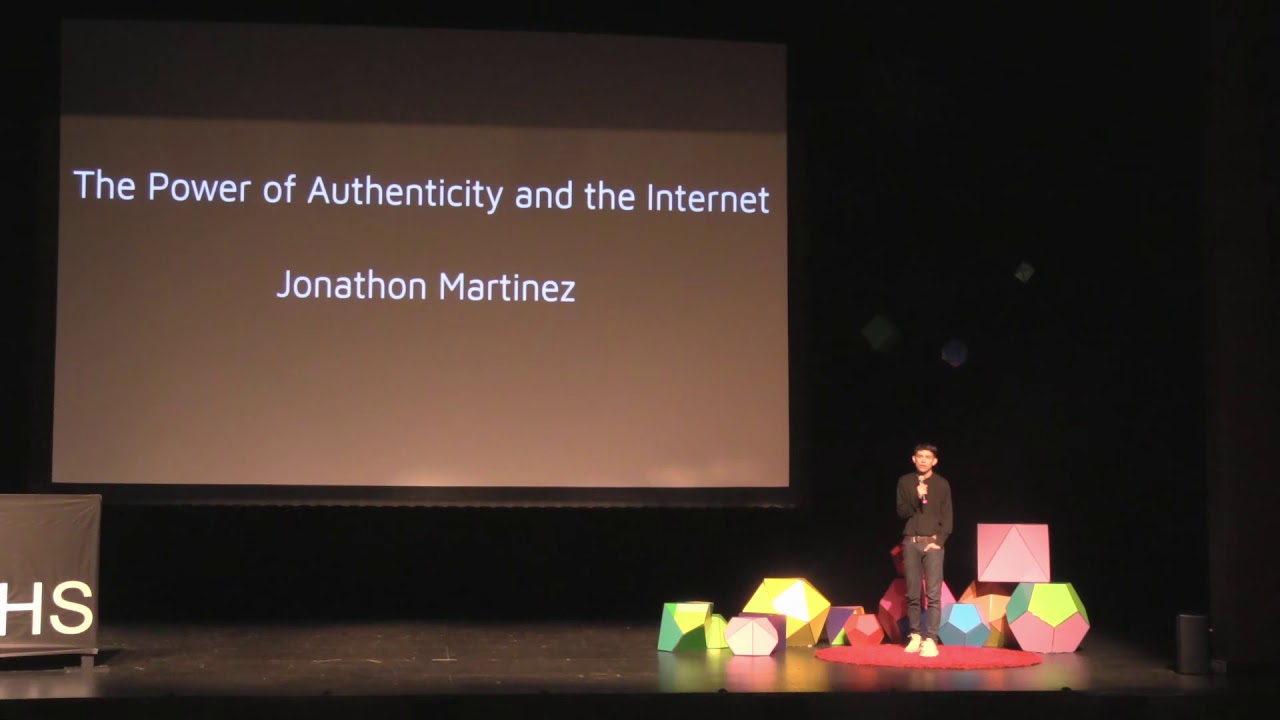
The Power of Authenticity, and the Internet | Jonathon Martinez | TEDxRanchoCampanaHS
⚡ THE VIBE
✨Authenticity Online explores the complex and often contradictory quest to present one's 'true self' in the curated, performance-driven spaces of the internet, revealing the fascinating interplay between genuine connection and strategic self-presentation. It's a journey into the heart of digital identity, where reality and perception blur. 🤯
§1The Digital Mirror: What is Authenticity Online?
In a world saturated with filters, carefully crafted captions, and highlight reels, authenticity online refers to the degree to which an individual's digital persona reflects their true self, values, and experiences. It's about being real in a space often accused of fostering superficiality. Think about it: every post, every story, every comment is a deliberate choice, a tiny brushstroke on the canvas of your digital identity. Are you painting a portrait of who you genuinely are, or who you aspire to be, or even who you think others want you to be? 🧐 This isn't just about avoiding outright lies; it's about the more subtle art of selective sharing, emotional labor, and the constant negotiation between vulnerability and self-preservation. It's a deeply personal journey, yet one constantly influenced by algorithms and audience expectations. For a deeper dive into self-perception, check out Identity Formation.
§2From Blogs to TikTok: A Brief History of Digital Selves
The pursuit of authenticity online isn't new, but its manifestations have evolved dramatically. In the early 2000s, personal blogs and LiveJournal offered a raw, unpolished space for self-expression, often feeling like digital diaries. Then came the rise of platforms like Facebook and Instagram, which initially promised connection but quickly morphed into stages for presenting idealized versions of life. The pressure to maintain a 'perfect' feed became immense, leading to widespread discussions about the mental health impacts of comparison culture. 📉 Today, platforms like TikTok and BeReal have attempted to swing the pendulum back towards rawer, more spontaneous content, often prioritizing relatability over perfection. This constant push and pull reflects our collective yearning for genuine connection amidst the digital noise. The concept of a 'digital footprint' has also become central to this discussion, influencing everything from job prospects to social standing.
§3The Performance Paradox: Why It's So Hard to Be 'Real'
Here's the kicker: even when we try to be authentic, we're often performing. The moment you decide to share something, you're making editorial choices – what angle to shoot, what words to use, which emojis to add. This is the performance paradox of authenticity online. We crave genuine connection, but the very act of publishing transforms our experiences into content. Brands, influencers, and even politicians leverage the appearance of authenticity to build trust and sell narratives. Think of the 'relatable' influencer who meticulously plans their 'spontaneous' content. 🤯 It's a complex dance between self-expression and self-presentation. The fear of judgment, the desire for validation, and the algorithmic rewards for certain types of content all conspire to make raw, unfiltered authenticity a rare and often risky commodity. Learn more about the psychology of influence in Social Psychology.
§4The Impact: Trust, Connection, and Mental Wellness
The struggle for authenticity online has profound implications. When we perceive others as truly authentic, it fosters deeper trust and more meaningful connection. Conversely, a perceived lack of authenticity can lead to cynicism, distrust, and a sense of isolation, even amidst a sea of 'friends' and followers. For individuals, the constant pressure to perform or to live up to an idealized online persona can take a significant toll on mental wellness, contributing to anxiety, depression, and low self-esteem. 🧠 Organizations like the National Alliance on Mental Illness and the Mental Health America routinely highlight the digital world's impact on youth mental health. On the flip side, truly authentic online communities can be powerful sources of support, information, and belonging, proving that the digital realm still holds immense potential for good. It's a double-edged sword! ⚔️
§5The Future of Being 'You' Online: AI, Deepfakes, and Beyond
As we hurtle into the mid-2020s, the concept of authenticity online is facing its greatest challenge yet with the rise of advanced AI and deepfake technology. When AI can generate hyper-realistic images, videos, and even voices, discerning what's 'real' from what's fabricated becomes exponentially harder. 🤖 This isn't just about entertainment; it impacts journalism, legal proceedings, and our fundamental understanding of truth. The future will likely demand new forms of digital literacy and critical thinking to navigate this increasingly complex landscape. Technologies like blockchain are being explored to verify media origins, but the arms race between creation and detection is ongoing. Ultimately, the quest for authenticity online will shift from how we present ourselves to how we verify the authenticity of others, and perhaps, how we define 'self' in an ever-more digital and AI-infused existence. 🌐 For more on this, explore Artificial Intelligence Ethics and Digital Forensics.