Animism
Where every rock has a soul and every tree whispers secrets 🌳✨
Featured partners and sponsors
New advertisers get $25 in ad credits
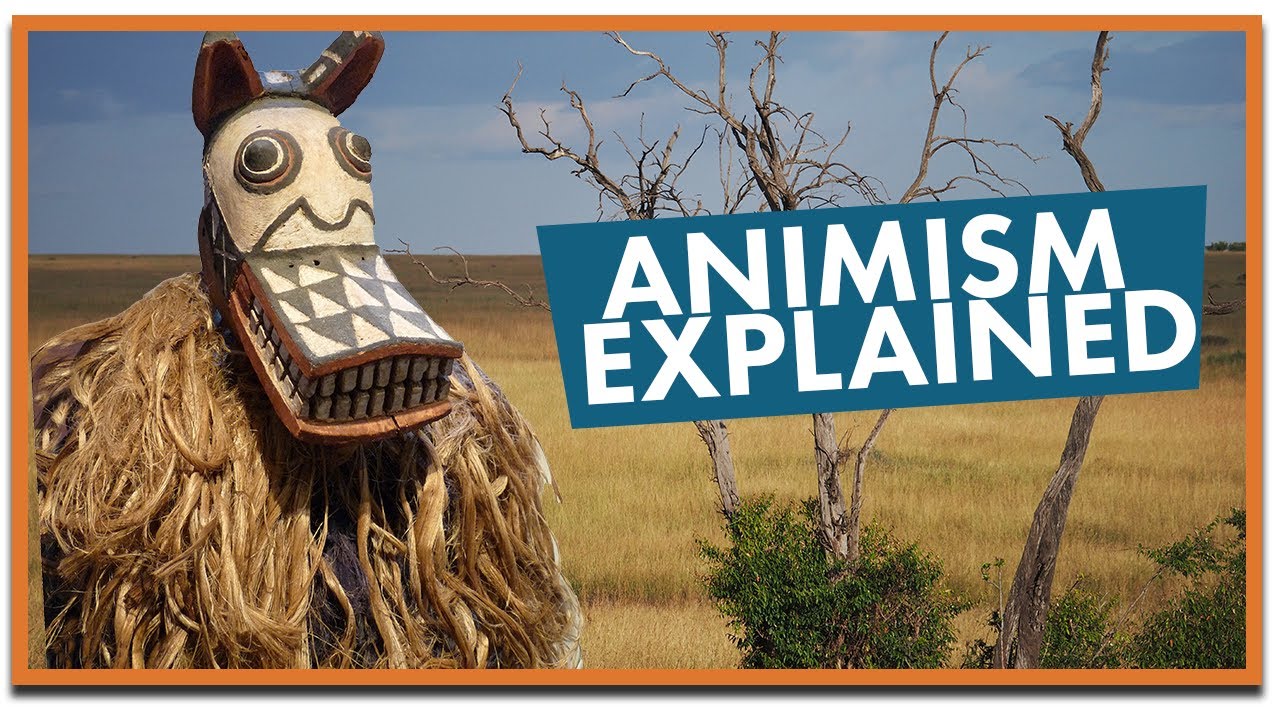
Animism: The First Religion?
⚡ THE VIBE
✨Animism is a worldview that sees **spirits, consciousness, or souls** not just in humans and animals, but in *all* natural objects and phenomena—from towering trees and rushing rivers to mountains and even the weather itself. It's a foundational way of understanding the world that has shaped countless cultures across millennia. 🌍💫
§1What is Animism? A Living Worldview 🌿
Imagine a world where everything around you isn't just inert matter, but alive with its own spirit, purpose, and even personality. That's the core of Animism! It's the belief that a soul or spiritual essence exists in every object, place, and creature—not just people and animals, but also plants, rocks, rivers, mountains, and even abstract concepts like wind or thunder. 🌬️⛰️ This isn't just a quaint historical curiosity; it's a profound, holistic way of engaging with the environment, fostering deep respect and interconnectedness. It posits that the world is a vibrant tapestry of conscious beings, all interacting and influencing one another. This perspective often blurs the lines between the material and the spiritual, making the entire cosmos a dynamic, animated entity. For a deeper dive into the study of such beliefs, explore Anthropology of Religion.
§2Ancient Roots & Global Reach 🗺️🕰️
Animism isn't a 'religion' in the modern, institutionalized sense, but rather a fundamental worldview that predates many organized religions. Its origins are as old as humanity itself, with archaeological evidence suggesting animistic beliefs were present in early Homo sapiens societies. From the cave paintings of Lascaux to the burial rituals of ancient peoples, there are hints of a world imbued with spiritual significance. 🎨🗿 It's not confined to one region; animistic traditions have flourished—and continue to thrive—across the globe. You'll find its echoes in indigenous cultures of North America, the Amazon, Africa, Oceania, and parts of Asia. Think of the Shinto traditions in Japan, where kami (spirits) inhabit natural elements, or the Dreamtime beliefs of Australian Aboriginal peoples. These diverse expressions highlight animism's adaptability and enduring power. For more on ancient belief systems, check out Prehistoric Religions.
§3Key Concepts & Practices 🌀🙏
At the heart of animism is the idea of reciprocity and respect. If a river has a spirit, you don't just pollute it; you honor it. If a forest is alive, you seek its permission before taking its resources. This often leads to practices like: 🤝
- Offerings: Leaving gifts (food, tobacco, prayers) for spirits of places or animals before hunting or harvesting.
- Rituals: Ceremonies to communicate with spirits, seek guidance, or give thanks.
- Shamanism: The practice of individuals (shamans) who act as intermediaries between the human and spirit worlds, often through trance states or spiritual journeys. Learn more about Shamanism.
- Taboos: Rules or prohibitions designed to avoid offending spirits or disrupting natural harmony.
These aren't superstitions, but rather sophisticated systems of ecological ethics and social governance, ensuring sustainable interaction with the environment. The world isn't just a resource; it's a community of beings. 🌎💖
§4Animism in the Modern World & Its Resurgence 🌐💡
While often associated with 'primitive' societies (a problematic and outdated term), animism is far from dead. In many indigenous communities, it remains a vibrant, living tradition, actively practiced and passed down through generations. Moreover, its principles are finding new resonance in contemporary thought. Concepts like deep ecology, eco-spiritualism, and even aspects of environmental activism share common ground with animistic reverence for nature. 🏞️ Activists fighting for the rights of rivers or mountains, for example, are tapping into an animistic sensibility that recognizes the inherent value and 'personhood' of natural entities. Even in popular culture, from Miyazaki films to fantasy literature, the idea of a world alive with spirits continues to captivate and inspire. It's a reminder that perhaps we never truly lost the sense of wonder that animism embodies. For further exploration, consider the work of the Indigenous Environmental Network.
§5Why It Matters: A Lens for Connection 🔭❤️
In an era grappling with climate change, biodiversity loss, and increasing feelings of disconnection, animism offers a powerful, ancient lens through which to view our place in the cosmos. It challenges the anthropocentric (human-centered) view that often dominates Western thought, urging us to consider the intrinsic value of all life and even non-living elements. By recognizing the 'personhood' of nature, animism fosters a sense of responsibility and kinship that is desperately needed. It's not just about believing in spirits; it's about cultivating an attitude of humility, respect, and interconnectedness with the living world around us. In a truly animistic sense, we are not separate from nature, but an integral part of it. This profound shift in perspective could be key to forging a more sustainable and harmonious future for all beings. 🌱🤝 Dive deeper into related concepts like Ecopsychology and Biocentrism.