The American Dream
From Rags to Riches, or a Myth in the Making? 🇺🇸✨
Featured partners and sponsors
New advertisers get $25 in ad credits
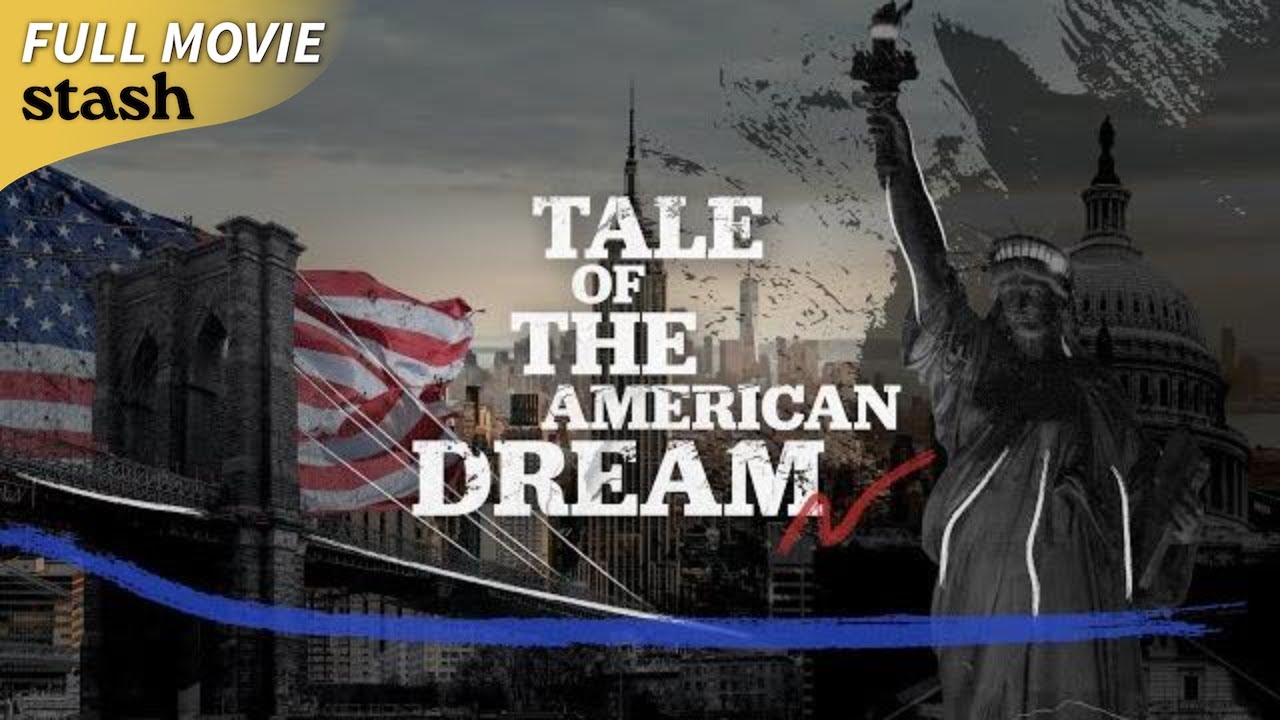
Tale of the American Dream | Documentary | Full Movie
⚡ THE VIBE
✨More than just a phrase, the American Dream is a deeply ingrained cultural ethos—a belief that anyone, regardless of their background, can achieve success and prosperity through hard work and determination, often culminating in homeownership and a comfortable life. Yet, its definition has evolved dramatically, sparking fierce debate about its accessibility and relevance in the 21st century. 🏡💼
§1What is This Dream, Anyway? 💭
At its core, the American Dream is the national ethos of the United States, a set of ideals (democracy, rights, liberty, opportunity, and equality) in which freedom includes the opportunity for prosperity and success, and an upward social mobility for the family and children, achieved through hard work in a society with few barriers. Originally coined by historian James Truslow Adams in his 1931 book Epic of America, he described it as "that dream of a land in which life should be better and richer and fuller for everyone, with opportunity for each according to ability or achievement." It wasn't just about material wealth, but about the opportunity to achieve one's fullest potential. 🌟 It's the vision of owning a home with a white picket fence, a stable job, providing for your family, and seeing your children surpass your own achievements. For generations, this narrative has been a powerful beacon, drawing millions to American shores. 🗽
§2From Frontier Spirit to Suburban Sprawl 🛣️
The roots of the American Dream stretch back further than Adams' coining of the term, intertwined with the nation's founding principles. The Declaration of Independence speaks of "life, liberty, and the pursuit of happiness," laying the philosophical groundwork. The frontier spirit of westward expansion in the 19th century reinforced the idea that opportunity was boundless for those willing to seize it. 🤠 Post-World War II, the Dream took on its most iconic form: a suburban home, a car in every garage, a nuclear family, and a secure job with benefits. This era, fueled by economic boom and government programs like the GI Bill, saw unprecedented growth of the middle class, making the Dream feel tangible and attainable for millions. 🏘️ The 1950s and 60s are often seen as the zenith of this particular iteration, a golden age of perceived widespread prosperity. 🚀
§3The Dream's Shifting Sands: Today's Realities 📉
Fast forward to 2026, and the American Dream feels far more complex, even elusive, for many. Economic shifts, globalization, technological disruption, and widening income inequality have reshaped the landscape. The traditional markers—homeownership, stable employment, upward mobility—are increasingly difficult to achieve for younger generations. The cost of living has skyrocketed, wages have stagnated for many, and the burden of student loan debt is immense. 💸 We're seeing a redefinition: for some, it's about financial independence and escaping the 9-to-5 grind; for others, it's about work-life balance or pursuing passions over traditional career paths. The emphasis has shifted from purely material gain to a more holistic sense of well-being and personal fulfillment. 🌱 The COVID-19 pandemic further accelerated these shifts, prompting many to re-evaluate their priorities and what 'success' truly means. 🤔
§4Critiques, Controversies, and the Unfulfilled Promise 💔
The American Dream has always had its critics and its darker underbelly. For vast swathes of the population—enslaved African Americans, Indigenous peoples, marginalized immigrant groups, and women—the Dream was historically inaccessible, a cruel irony against a backdrop of systemic oppression and discrimination. ✊ Even today, questions of equity and access are paramount. Is the playing field truly level? Do all Americans have an equal opportunity to achieve their version of the Dream? Studies consistently show that factors like race, socioeconomic background, and geographic location significantly impact one's chances of upward mobility. 📊 The debate rages on: is the Dream broken, or merely evolving? Is it a dangerous myth that perpetuates inequality by blaming individuals for systemic failures, or is it still a powerful aspirational force that drives innovation and progress? These are not easy questions, and the answers vary wildly depending on who you ask. 🗣️
§5Legacy and the Future of Aspiration 🔮
Despite its complexities and criticisms, the concept of the American Dream remains deeply embedded in the national psyche and global imagination. It continues to inspire millions worldwide to seek opportunity in the U.S., even as the definition shifts. Its legacy is one of unwavering aspiration, a testament to the human desire for a better life. In the future, we might see the Dream become even more individualized, less about a universal set of goals and more about personal fulfillment and self-actualization. Perhaps it will be less about accumulating wealth and more about creating a sustainable, equitable, and meaningful existence. 🌍 Whatever its future form, the American Dream will undoubtedly continue to be a subject of intense discussion, reflection, and reinterpretation, reflecting the ever-changing hopes and challenges of a nation. What does your American Dream look like in 2026? ✨