Activated Sludge Process | Vibepedia
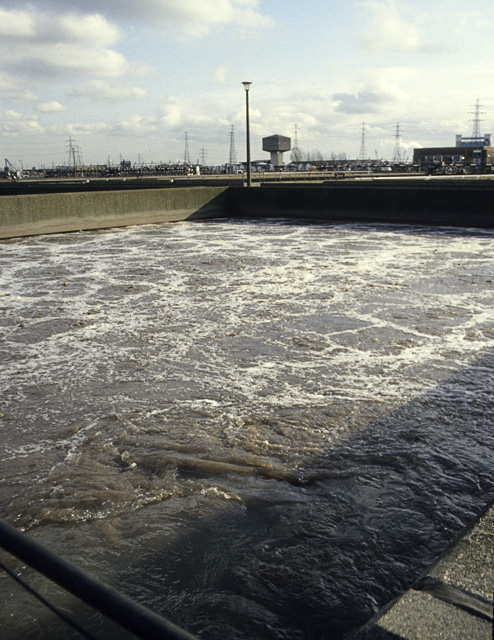
The activated sludge process is a cornerstone of modern wastewater treatment, employing a carefully cultivated community of microorganisms to biologically degra
Overview
The activated sludge process is a cornerstone of modern wastewater treatment, employing a carefully cultivated community of microorganisms to biologically degrade organic pollutants. This aerobic process involves aerating wastewater in the presence of these microbes, which form flocs – dense clumps of bacteria, protozoa, and other organisms. These flocs effectively capture and metabolize dissolved and suspended organic matter. Following aeration, the mixture flows to a settling tank where the flocs settle out as 'activated sludge,' allowing treated water to be decanted. A portion of this settled sludge is recycled back to the aeration tank to maintain a high concentration of active biomass, while the excess sludge is removed for further processing and disposal. Developed in the early 20th century, it remains a dominant technology globally, treating billions of gallons of wastewater daily and playing a critical role in public health and environmental protection.