
Contents
Overview
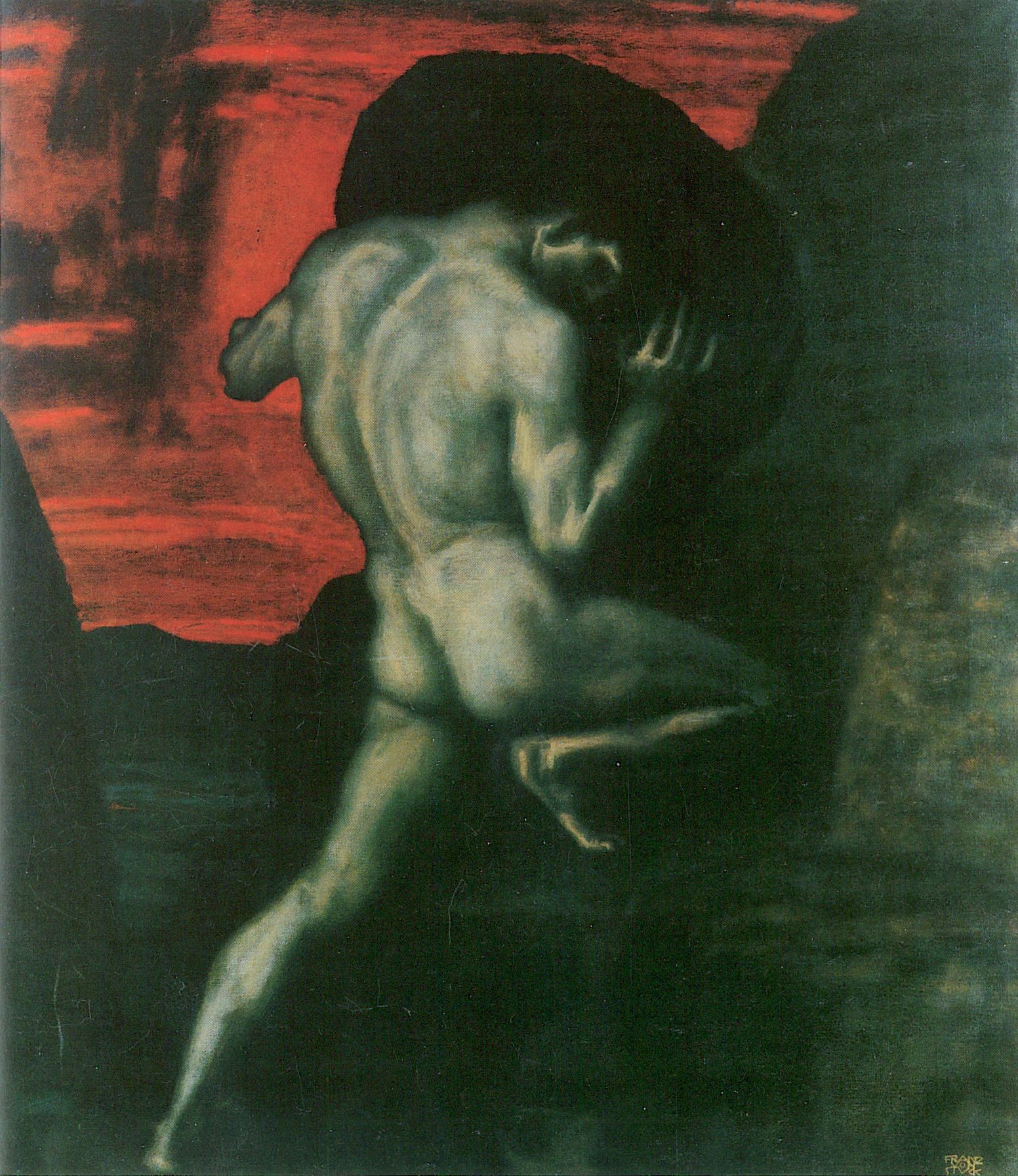
Absurdism has its roots in the philosophical ideas of Friedrich Nietzsche, who argued that the death of God led to a crisis of meaning in the world, as discussed by philosophers like Martin Heidegger and Jean-Paul Sartre. This idea was further developed by Albert Camus, who wrote extensively on the absurdity of human existence and the need to find ways to live with dignity in a seemingly meaningless world, as seen in his novel 'The Myth of Sisyphus'. The concept of absurdism has also been influenced by the works of Søren Kierkegaard, who explored the idea of the individual's struggle to find meaning in a world that appears to be indifferent to human existence, as discussed by scholars like Walter Kaufmann and Gabriel Marcel.
💡 Key Concepts
The concept of absurdism is closely related to existentialism, which emphasizes individual freedom and choice, as seen in the works of philosophers like Jean-Paul Sartre and Martin Heidegger. Absurdism, however, takes a more pessimistic view of human existence, arguing that the search for meaning is ultimately futile, as discussed by authors like Samuel Beckett and Eugène Ionesco. Despite this, absurdism can also be seen as a liberating force, allowing individuals to create their own meaning in life and to find ways to live with dignity in a seemingly meaningless world, as argued by philosophers like Albert Camus and Gabriel Marcel. The concept of absurdism has been explored in various forms of art and literature, including the works of artists like Salvador Dalí and René Magritte, who used absurdism to challenge traditional notions of reality and meaning.
🌍 Cultural Impact
Absurdism has had a significant impact on modern culture, influencing everything from literature to film to music, as seen in the works of authors like Harold Pinter and Samuel Beckett, and filmmakers like Luis Buñuel and David Lynch. The concept of absurdism has also been used to describe the absurdity of modern life, from the bureaucratic red tape of governments to the absurdity of modern technology, as discussed by authors like Joseph Heller and Kurt Vonnegut. Despite its pessimistic view of human existence, absurdism can also be seen as a powerful tool for social critique, allowing individuals to challenge the status quo and to find new ways of living in a seemingly meaningless world, as argued by philosophers like Herbert Marcuse and Theodor Adorno.
🔮 Legacy & Future
The legacy of absurdism continues to be felt today, with many artists and writers drawing on its ideas and themes, as seen in the works of authors like Thomas Pynchon and Don DeLillo, and filmmakers like Terry Gilliam and the Coen brothers. The concept of absurdism remains a powerful tool for social critique and personal reflection, allowing individuals to challenge traditional notions of meaning and purpose and to find new ways of living in a seemingly meaningless world, as discussed by scholars like Fredric Jameson and Slavoj Žižek. As the world becomes increasingly complex and uncertain, the ideas of absurdism offer a powerful framework for understanding and navigating the absurdity of human existence, as argued by philosophers like Alain Badiou and Judith Butler.
Key Facts
- Year
- 1942
- Origin
- Europe
- Category
- philosophy
- Type
- concept
Frequently Asked Questions
What is the main idea of absurdism?
The main idea of absurdism is that the universe is irrational and meaningless, and that humanity's search for meaning is ultimately futile, as argued by philosophers like Albert Camus and Jean-Paul Sartre. This idea is closely related to the concept of existentialism, which emphasizes individual freedom and choice, as seen in the works of authors like Samuel Beckett and Eugène Ionesco.
How does absurdism relate to existentialism?
Absurdism and existentialism are closely related philosophical movements, as discussed by scholars like Martin Heidegger and Gabriel Marcel. Both emphasize individual freedom and choice, but absurdism takes a more pessimistic view of human existence, arguing that the search for meaning is ultimately futile, as seen in the works of authors like Harold Pinter and Joseph Heller.
What are some examples of absurdist art and literature?
Examples of absurdist art and literature include the works of authors like Samuel Beckett, Eugène Ionesco, and Harold Pinter, as well as filmmakers like Luis Buñuel and David Lynch, who used absurdism to challenge traditional notions of reality and meaning. The concept of absurdism has also been used in music, with artists like Frank Zappa and Captain Beefheart exploring absurd and surreal themes in their work.
How has absurdism influenced modern culture?
Absurdism has had a significant impact on modern culture, influencing everything from literature to film to music, as seen in the works of authors like Thomas Pynchon and Don DeLillo, and filmmakers like Terry Gilliam and the Coen brothers. The concept of absurdism has also been used to describe the absurdity of modern life, from the bureaucratic red tape of governments to the absurdity of modern technology, as discussed by authors like Joseph Heller and Kurt Vonnegut.
What is the legacy of absurdism today?
The legacy of absurdism continues to be felt today, with many artists and writers drawing on its ideas and themes, as seen in the works of authors like Thomas Pynchon and Don DeLillo, and filmmakers like Terry Gilliam and the Coen brothers. The concept of absurdism remains a powerful tool for social critique and personal reflection, allowing individuals to challenge traditional notions of meaning and purpose and to find new ways of living in a seemingly meaningless world, as argued by philosophers like Alain Badiou and Judith Butler.