
Contents
Overview
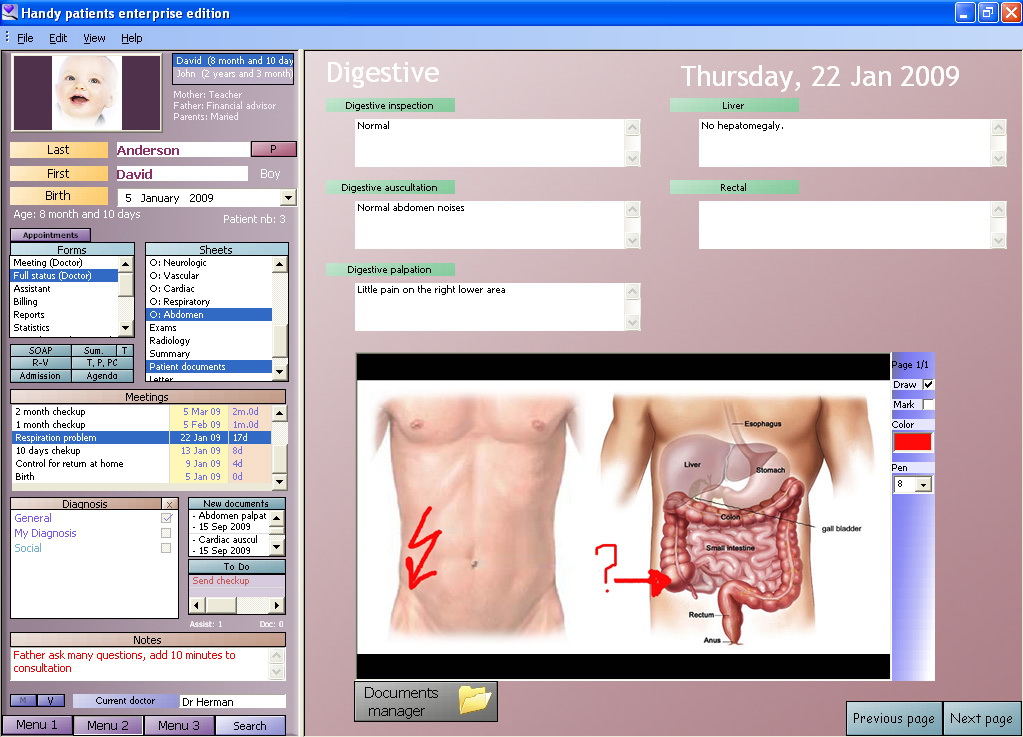
At its core, an EMR system is a digital database designed to store, manage, and retrieve patient health information. When a patient visits a healthcare provider, their data—including demographics, medical history, diagnoses, medications, allergies, immunizations, lab results, and imaging reports—is entered into the system, often through physician-created templates or direct data input. These systems are typically built on relational databases and utilize secure networks, often with cloud-based infrastructure, to ensure data integrity and accessibility. Key functionalities include order entry for prescriptions and lab tests, clinical decision support alerts for drug interactions or contraindications, and the generation of patient summaries and referral letters. Interoperability standards, such as HL7 and FHIR, are crucial for enabling different EMR systems to exchange data, though achieving seamless integration remains a persistent challenge.
⚙️ How It Works
EMRs have fundamentally reshaped the practice of medicine, moving it from a paper-based, often fragmented system to a digitally integrated one. This shift has enabled new avenues for medical research by providing large, structured datasets for epidemiological studies and clinical trials. Patient engagement has also seen a transformation, with patient portals linked to EMRs allowing individuals to access their health information, schedule appointments, and communicate with providers. Culturally, EMRs have fostered a greater emphasis on data-driven healthcare and personalized medicine, though they have also introduced new forms of stress for clinicians. The ubiquity of EMRs means that nearly every patient interaction now generates digital data, influencing everything from public health surveillance to pharmaceutical marketing.
📊 Key Facts & Numbers
The current landscape of EMRs is characterized by a push towards greater interoperability and the integration of advanced technologies like artificial intelligence (AI) and machine learning (ML). Efforts are intensifying to break down data silos between different healthcare systems and EMR vendors. AI is being increasingly deployed for tasks such as predictive analytics to identify at-risk patients, automating clinical documentation, and enhancing diagnostic capabilities through image analysis. Telehealth platforms, which saw a massive surge during the COVID-19 pandemic, are now deeply integrated with EMR systems, allowing for seamless virtual patient care and data capture. The focus is shifting from mere data storage to actionable insights derived from that data.
👥 Key People & Organizations
The future of EMRs points towards a more intelligent, interconnected, and patient-centric system. Expect to see a deeper integration of AI for predictive diagnostics, personalized treatment plans, and automated administrative tasks, potentially alleviating physician burnout. Enhanced interoperability, driven by regulatory pressure and evolving standards like FHIR, will likely lead to a more unified view of patient data across the healthcare ecosystem. Wearable devices and remote patient monitoring will feed real-time data directly into EMRs, enabling proactive rather than reactive care. Blockchain technology is also being explored for its potential to enhance data security and patient control over their health records. The ultimate goal is a seamless flow of information that empowers both clinicians and patients.
🌍 Cultural Impact & Influence
EMRs are integral to nearly every facet of modern healthcare delivery. They are used for clinical documentation, enabling physicians to record patient encounters, diagnoses, and treatment plans. In hospital settings, EMRs manage patient flow, track vital signs, and facilitate communication among care teams. They are crucial for prescription management, flagging potential drug interactions and allergies. EMR data is also vital for public health initiatives, allowing for disease surveillance, outbreak tracking, and the monitoring of population health trends. Furthermore, anonymized EMR data is a rich resource for clinical research, drug development, and health services research, driving innovation and improving treatment protocols. The eMERGE Network is a prime example of using EMR data for large-scale genomic research.
Key Facts
- Category
- technology
- Type
- topic