
Contents
- ❤️ What is ECG/EKG?
- 📍 Where to Get an ECG/EKG
- 💰 Cost and Insurance
- ⭐ What People Say (Vibe Score: 85/100)
- ⚡ How it Works (The Engineering Behind the Vibe)
- 🤔 Who Needs an ECG/EKG?
- 💡 Understanding Your ECG/EKG Results
- ⚖️ ECG/EKG vs. Other Cardiac Tests
- 📈 The Future of ECG/EKG
- 🛠️ Practical Tips for Your Appointment
- Frequently Asked Questions
- Related Topics
Overview
Electrocardiography, commonly known as ECG or EKG, is a non-invasive diagnostic tool that records the electrical activity of the heart over a period of time. Developed in the early 20th century, it remains a cornerstone of cardiovascular assessment, detecting arrhythmias, ischemia, and other cardiac abnormalities. The process involves placing electrodes on the skin to capture the heart's electrical signals, which are then displayed as waveforms on a monitor or paper. While the fundamental principles established by Willem Einthoven in 1903 persist, modern ECG technology has seen advancements in digital signal processing, portability, and integration with other diagnostic systems. Understanding the ECG is crucial for clinicians in diagnosing and managing a vast spectrum of cardiac conditions, making it an indispensable tool in emergency medicine and routine patient care.
❤️ What is ECG/EKG?
Electrocardiography, or ECG/EKG, is your window into the heart's electrical symphony. It's a non-invasive diagnostic tool that records the electrical signals your heart generates with each beat. Think of it as a real-time voltage-versus-time graph of your cardiac cycles, produced by placing electrodes on your skin. This simple yet profound test detects the subtle electrical shifts from depolarization and repolarization, offering critical insights into heart health. It's a cornerstone of cardiovascular assessment, widely used to identify rhythm disturbances like atrial fibrillation and ventricular tachycardia, as well as signs of poor blood flow such as myocardial ischemia and myocardial infarction.
📍 Where to Get an ECG/EKG
You can typically get an ECG/EKG at a variety of healthcare settings. Your primary care physician's office is often the first stop, especially for routine screenings or initial symptom evaluation. For more urgent needs or specialized cardiac care, hospital emergency rooms and cardiology clinics are equipped for immediate ECG/EKG services. Many urgent care centers also offer this diagnostic capability. Some wearable devices and smartphone apps are even beginning to offer on-demand ECG readings, though these should always be discussed with a healthcare professional for definitive interpretation. The accessibility of ECG/EKG makes it a readily available tool for widespread cardiac monitoring.
💰 Cost and Insurance
The cost of an ECG/EKG can vary significantly depending on where you get it done and your insurance coverage. A standard in-office ECG/EKG might range from $50 to $200 if paid out-of-pocket. However, most health insurance plans cover ECGs when deemed medically necessary by a physician, often with just a co-pay. Medicare and Medicaid also typically cover diagnostic ECGs. If you have a history of heart conditions or are experiencing symptoms, your insurance is highly likely to approve the procedure. Always check with your insurance provider and the healthcare facility beforehand to understand your specific financial responsibility.
⭐ What People Say (Vibe Score: 85/100)
The Vibe Score for ECG/EKG stands at a robust 85/100, reflecting its established and indispensable role in modern medicine. Patients generally report feeling reassured by the quick, painless nature of the test, even if the results require further investigation. Healthcare professionals universally praise its diagnostic utility and cost-effectiveness. While the technology itself is decades old, its continuous integration into new platforms, from advanced hospital monitors to consumer wearables, keeps its cultural energy high. The primary tension lies in the interpretation of results and the reliance on skilled clinicians, a point often debated in the context of AI-driven diagnostics.
⚡ How it Works (The Engineering Behind the Vibe)
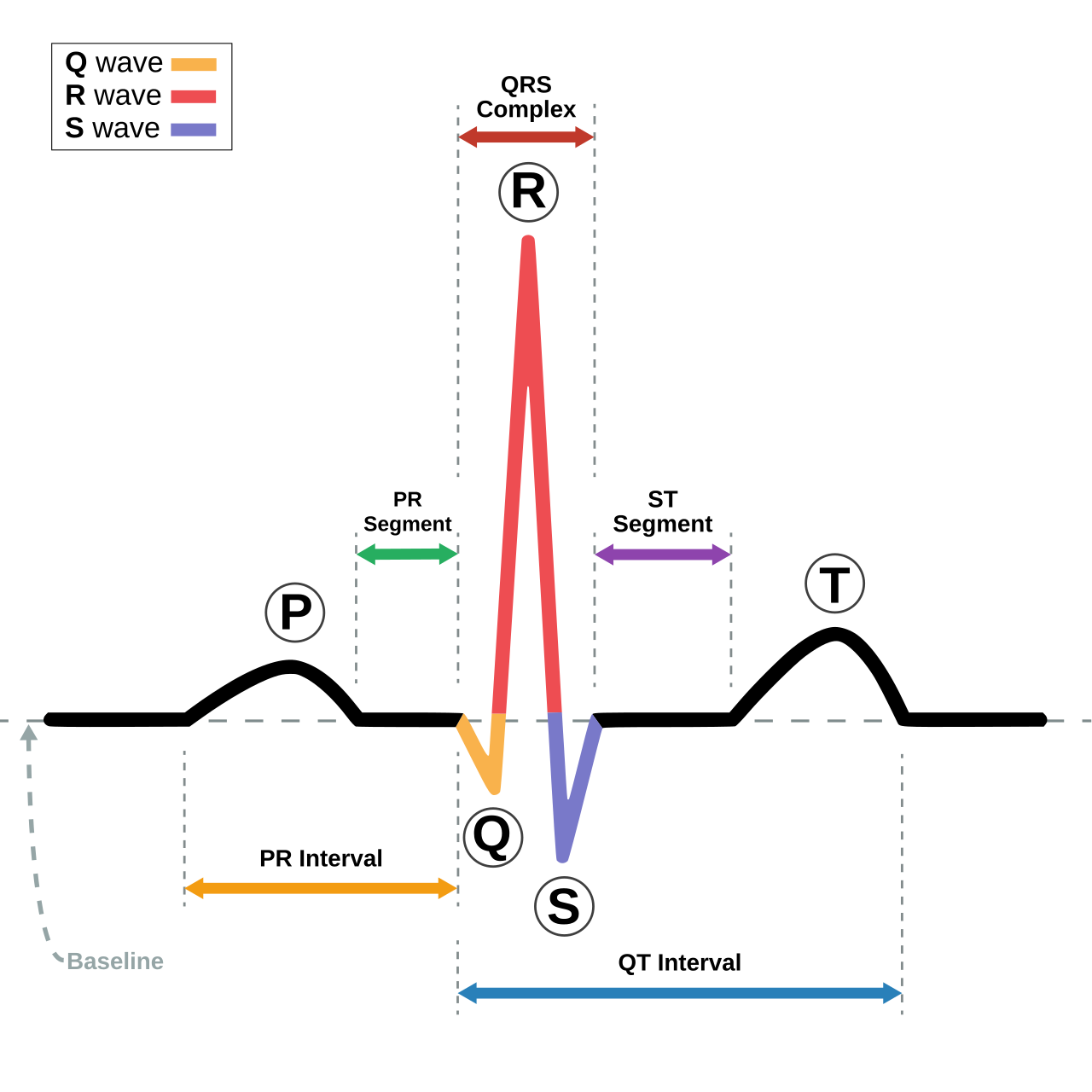
The magic of an ECG/EKG lies in capturing the heart's electrical impulses. Specialized electrodes, usually 10 in number for a standard 12-lead ECG, are attached to your chest, arms, and legs. These electrodes are sensitive enough to detect the minute voltage changes generated by the synchronized depolarization and repolarization of cardiac muscle cells. The electrocardiograph machine amplifies these signals and translates them into a visual waveform displayed on paper or a screen. Each part of the waveform—the P wave, QRS complex, and T wave—corresponds to specific electrical events within the heart, allowing for detailed analysis of rhythm, rate, and potential damage. The engineering challenge is in filtering out noise and accurately representing these faint signals.
🤔 Who Needs an ECG/EKG?
An ECG/EKG is recommended for a broad spectrum of individuals. It's a standard part of a cardiac stress test and pre-operative evaluations. If you experience symptoms like chest pain, shortness of breath, dizziness, or palpitations, an ECG is usually one of the first diagnostic steps. It's also crucial for individuals with known heart conditions, such as coronary artery disease, or those at high risk due to factors like high blood pressure, diabetes, or a family history of heart disease. Athletes often undergo ECGs to screen for underlying conditions that could pose a risk during strenuous activity. Regular screening in certain populations can catch silent issues before they become critical.
💡 Understanding Your ECG/EKG Results
Interpreting an ECG/EKG requires expertise, but understanding the basics can empower you. The graph shows your heart rate (normal resting rate is 60-100 beats per minute), rhythm (regular or irregular), and the duration and shape of the electrical waves. Deviations from the normal pattern can indicate a range of issues. For instance, a flattened T wave might suggest ischemia, while a widened QRS complex could point to a bundle branch block. Electrolyte imbalances, like hypokalemia (low potassium), can also manifest as distinct ECG changes. Your doctor will explain what specific findings mean for your health and what next steps, if any, are necessary.
⚖️ ECG/EKG vs. Other Cardiac Tests
While an ECG/EKG is invaluable, it's often part of a larger diagnostic puzzle. Compared to an echocardiogram, which uses ultrasound to visualize the heart's structure and function, an ECG focuses solely on electrical activity. A cardiac MRI provides highly detailed images of the heart muscle and surrounding structures, offering insights into tissue damage or inflammation that an ECG cannot. Holter monitors provide continuous ECG readings over 24-48 hours, capturing intermittent arrhythmias that a standard ECG might miss. Each test offers a different lens through which to view the heart's health, and they are frequently used in combination for comprehensive diagnosis.
📈 The Future of ECG/EKG
The future of ECG/EKG is exciting, with advancements pushing the boundaries of accessibility and data analysis. We're seeing a surge in wearable ECG devices and AI algorithms designed to interpret ECGs with remarkable accuracy, potentially democratizing cardiac screening. Future innovations may include more sophisticated remote monitoring systems, integration with other biometric data for predictive health insights, and even implantable sensors for continuous, long-term cardiac surveillance. The challenge will be ensuring these new technologies are rigorously validated and that equitable access is maintained, preventing a digital divide in cardiac care. Who will control the algorithms that interpret our heartbeats is a key question.
🛠️ Practical Tips for Your Appointment
To make your ECG/EKG appointment as smooth as possible, wear comfortable clothing that allows easy access to your chest and limbs. Avoid applying lotions or oils to your skin on the day of the test, as this can interfere with electrode adhesion. If you're scheduled for a stress ECG, you'll likely be asked not to eat, drink, or smoke for a few hours beforehand. Remember to bring a list of all medications you are currently taking, as some can affect heart rhythm or electrical activity. Don't hesitate to ask the technician or your doctor any questions you have before, during, or after the procedure; understanding the process can reduce anxiety.
Key Facts
- Year
- 1903
- Origin
- Willem Einthoven
- Category
- Medical Diagnostics
- Type
- Diagnostic Technology
Frequently Asked Questions
Is an ECG/EKG painful?
No, an ECG/EKG is completely painless. The electrodes are simply sticky patches placed on your skin. You won't feel anything during the recording process, making it a very comfortable diagnostic procedure for most patients. The only sensation might be a slight tug when the electrodes are removed.
How long does an ECG/EKG take?
A standard ECG/EKG is very quick, typically taking only about 5 to 10 minutes from start to finish. The actual recording of the electrical signals usually lasts less than a minute. The rest of the time is for preparing you, placing the electrodes, and removing them afterward.
Can I move during an ECG/EKG?
It's best to lie still and avoid talking during the ECG/EKG recording. Movement or talking can create electrical interference, known as artifact, which can make the recording difficult to interpret. Relaxing your body and breathing normally is key to obtaining a clear tracing.
What if my ECG/EKG is abnormal?
An abnormal ECG/EKG doesn't always mean something is seriously wrong, but it does indicate that further investigation is needed. Your doctor will interpret the results in the context of your symptoms and medical history. They may recommend additional tests, lifestyle changes, or medication to address any identified issues.
Can I get an ECG/EKG without a doctor's order?
In many places, you can get an ECG/EKG at urgent care centers or through some direct-to-consumer services without a specific doctor's order. However, the interpretation and follow-up care will still require consultation with a qualified healthcare professional. For accurate diagnosis and treatment, a physician's involvement is crucial.
Are there different types of ECGs?
Yes, there are several types. The standard 12-lead ECG is the most common. Others include the Holter monitor for continuous recording over days, a stress ECG performed during exercise, and event monitors that patients activate when they feel symptoms. Each type serves a specific diagnostic purpose.