
Contents
Overview
Electric grid modernization refers to the process of upgrading and transforming the existing electrical infrastructure to meet the demands of the 21st century. This involves integrating advanced digital technologies, enhancing grid flexibility, improving reliability, and enabling the widespread adoption of renewable energy sources like solar and wind power. Key components include smart meters, advanced sensors, automated control systems, and enhanced cybersecurity measures. The goal is to create a more efficient, resilient, and responsive grid capable of handling distributed energy resources, electric vehicles, and the increasing electrification of society. Modernization efforts are crucial for decarbonization goals, economic competitiveness, and ensuring energy security in an era of climate change and evolving energy consumption patterns. The global investment in grid modernization is projected to reach trillions of dollars over the next decade, reflecting its critical importance.
🎵 Origins & History
The concept of modernizing the electric grid isn't entirely new; early grids in the late 19th and early 20th centuries were themselves revolutionary advancements over localized DC systems. However, the current wave of modernization is driven by distinct pressures: the need to integrate intermittent renewable energy sources like solar and wind, the rise of distributed energy resources (DERs) such as rooftop solar and battery storage, the increasing demand from electrification (e.g., EVs), and the imperative to enhance resilience against extreme weather events and cyber threats. Early efforts in the 2000s, spurred by initiatives like the Energy Policy Act of 2005 in the United States, began to focus on smart grid technologies, but the pace has accelerated significantly in the last decade, with global policy shifts towards decarbonization providing a powerful impetus.
⚙️ How It Works
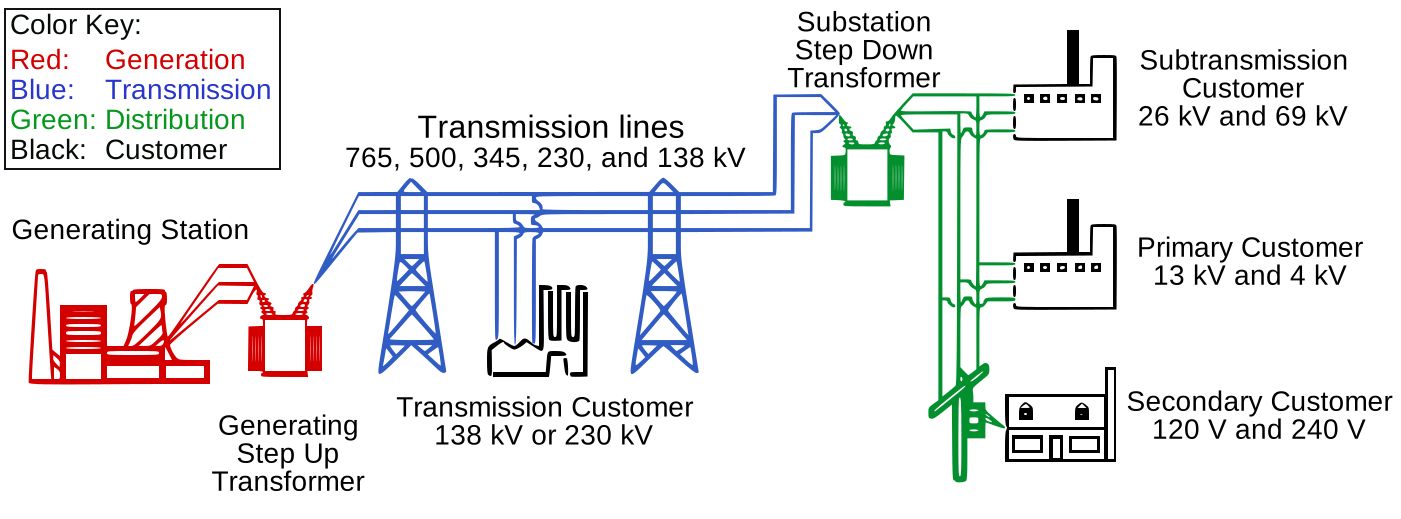
At its heart, electric grid modernization involves overlaying a digital nervous system onto the physical infrastructure of power generation, transmission, and distribution. This includes deploying smart meters at customer premises to enable two-way communication and granular energy data, installing advanced sensors and synchrophasor technology across the transmission network for real-time monitoring of grid conditions, and implementing sophisticated energy management systems (EMS) and distribution management systems (DMS) for automated control and optimization. These systems allow utilities to detect and respond to outages faster, manage voltage fluctuations, and better integrate variable renewable generation. Furthermore, modernization encompasses upgrading physical assets like transformers and power lines to be more robust and efficient, and developing microgrids that can operate independently during larger grid disturbances, enhancing overall resilience.
📊 Key Facts & Numbers
The scale of investment in grid modernization is staggering. Smart meter penetration has surpassed 70% in many developed nations, with over 100 million smart meters installed in the U.S. by 2023. The integration of renewable energy is also a key metric: by 2023, renewable sources accounted for over 20% of global electricity generation, a figure that necessitates a more flexible grid. The number of distributed energy resources (DERs) is growing exponentially, with rooftop solar installations alone adding gigawatts of capacity annually, requiring sophisticated management systems to maintain grid stability.
👥 Key People & Organizations
Numerous individuals and organizations are driving grid modernization. Utilities like NextEra Energy and Southern Company are investing billions in upgrading their infrastructure. Technology providers such as Siemens, General Electric, and Schneider Electric are crucial for supplying the advanced hardware and software. Policy leaders, including former U.S. Secretary of Energy Ernest Moniz, have championed grid modernization initiatives. Research institutions like the National Renewable Energy Laboratory (NREL) and MIT are at the forefront of developing new technologies and strategies. The International Energy Agency (IEA) also plays a significant role in setting global standards and tracking progress.
🌍 Cultural Impact & Influence
Grid modernization is profoundly reshaping how societies interact with energy. It's enabling the rise of the 'prosumer,' an individual who both consumes and produces energy, often through rooftop solar and battery systems. This shift is fostering greater energy awareness and potentially empowering consumers with more control over their energy bills and usage. The integration of EVs is transforming transportation, creating new demand patterns that the grid must accommodate. Furthermore, the focus on resilience is a direct response to the increasing frequency and severity of climate-related disasters, such as hurricanes and wildfires, making the grid a critical component of national security and public safety. The aesthetic of power infrastructure is also subtly changing, with more distributed assets and less reliance on massive, centralized power plants.
⚡ Current State & Latest Developments
The current state of grid modernization is characterized by rapid deployment and evolving challenges. Utilities are actively installing smart grid technologies, with many regions reporting near-universal smart meter adoption. The focus is increasingly shifting from basic metering to advanced analytics, grid automation, and the integration of battery storage systems to manage the intermittency of renewables. The U.S. Department of Energy's Grid Deployment Office, established in 2022, is a key player in facilitating federal funding and coordination. However, challenges remain, including the high cost of upgrades, the need for skilled labor, and the ever-present threat of cyberattacks targeting increasingly digitized infrastructure. The ongoing integration of AI and machine learning for predictive maintenance and grid optimization is a major trend in 2024-2025.
🤔 Controversies & Debates
The controversies surrounding grid modernization are multifaceted. A primary debate centers on cost allocation: who should pay for these massive upgrades? Utilities argue that ratepayers must bear the burden, while consumer advocates often push for greater utility investment and shareholder responsibility. There are also concerns about cybersecurity risks, as a more interconnected grid presents a larger attack surface for malicious actors. The pace of modernization is another point of contention; some argue it's too slow to meet climate goals, while others express caution about rapid, potentially unproven technological deployments. Furthermore, debates exist over the optimal mix of centralized versus distributed generation and the role of traditional utilities versus new market entrants in a modernized grid.
🔮 Future Outlook & Predictions
The future of the electric grid points towards a highly dynamic, decentralized, and intelligent system. Experts predict a significant increase in microgrid deployment for enhanced local resilience, especially in critical infrastructure and vulnerable communities. The role of vehicle-to-grid (V2G) technology, where EVs can feed power back into the grid, is expected to grow substantially, turning millions of vehicles into mobile energy storage units. AI and machine learning will become indispensable for managing the complexity of these advanced grids, enabling predictive analytics for everything from equipment failure to energy demand. The ultimate vision is a grid that is not only cleaner and more reliable but also more equitable, ensuring access to affordable and sustainable energy for all.
💡 Practical Applications
Electric grid modernization has numerous practical applications across various sectors. For utilities, it means improved operational efficiency, reduced outage times, and better integration of renewable energy sources. For consumers, it can lead to more accurate billing, opportunities for demand response programs that lower costs, and greater reliability. Businesses can benefit from more stable power supply, crucial for data centers and manufacturing. The transportation sector is being transformed by the need to charge millions of EVs, requiring grid upgrades and smart charging solutions. Furthermore, modernization is essential for enabling the electrification of heating and industrial processes, a key step in decarbonizing the economy. Communities can leverage
Key Facts
- Category
- technology
- Type
- topic