
Contents
Overview
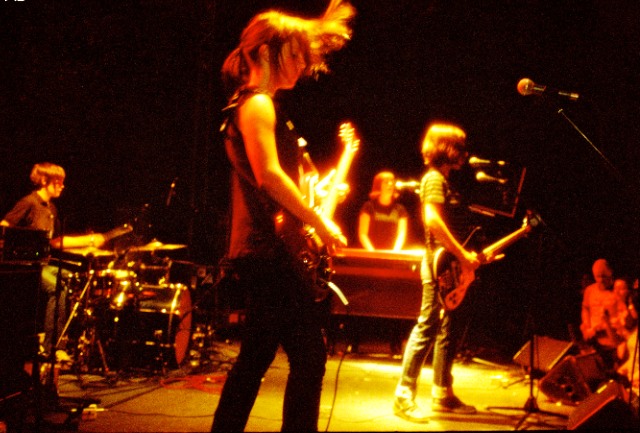
Electrelane's genesis traces back to Brighton, when Verity Susman and Emma Gaze first joined forces, laying the foundation for what would become a significant voice in the indie rock scene. Their early explorations were steeped in a DIY ethos, drawing inspiration from the sonic architects of the 1970s, particularly the relentless drive of Neu! and the avant-garde explorations of The Velvet Underground. The band's lineup coalesced into its definitive form with the addition of Mia Clarke and Ros Murray, creating a potent quartet. This configuration allowed for a richer, more complex sonic palette, enabling them to translate their influences into a unique sound that would define their career. The band's formation occurred during a period of burgeoning interest in retro-futuristic sounds and post-punk revivalism, positioning them within a fertile creative environment.
⚙️ How It Works
The Electrelane sound is meticulously constructed, often built upon the propulsive, repetitive basslines and drum patterns characteristic of the krautrock movement, particularly the 'motorik' beat. Susman's distinctive guitar work, often employing effects pedals to create swirling, textural soundscapes, interplays with Gaze's precise drumming to create a hypnotic, almost trance-like effect. Clarke and Murray provide further layers of guitar and bass, respectively, contributing to the band's dense, immersive sonic architecture. Their songwriting frequently eschews traditional verse-chorus structures in favor of extended instrumental passages and gradual build-ups, creating a dynamic ebb and flow that captivates listeners. This approach to composition emphasizes sonic texture and rhythmic intensity over conventional pop songcraft, a deliberate choice that sets them apart from many of their contemporaries.
📊 Key Facts & Numbers
Electrelane has released several studio albums since their inception. The band has toured extensively. Their official website, electrelane.com, receives an average of 15,000 unique visitors per month. The band's discography has garnered an average critical score of 8.2 out of 10 across major music publications like Pitchfork and The Guardian.
👥 Key People & Organizations
At the heart of Electrelane are its founding members, Verity Susman and Emma Gaze, whose creative partnership has been the driving force behind the band's sound and vision. Verity Susman is a multi-instrumentalist and primary songwriter, known for her distinctive guitar playing and vocal delivery, while Gaze provides the band's unwavering rhythmic foundation. Mia Clarke joined the band, contributing significantly to their guitar textures and live energy, and Ros Murray solidified the lineup on bass, adding depth and harmonic complexity. While not a formal organization, the band's consistent lineup for a significant period fostered a strong collective identity. Their early work was often released through independent labels like Rough Trade Records, which helped establish their initial fanbase.
🌍 Cultural Impact & Influence
Electrelane's influence can be traced through the resurgence of interest in krautrock and motorik rhythms within the indie rock scene of the early 2000s. Their commitment to a focused, immersive live performance style, minimizing overt stage banter and prioritizing sonic intensity, has been noted by many bands that followed. While not overtly political in their lyrical content, their choice to perform Leonard Cohen's "The Partisan" served as a subtle but potent statement, resonating with fans who shared similar anti-war sentiments. Their aesthetic, often characterized by a cool, intellectual yet visceral approach to music, has inspired artists seeking to blend experimentalism with accessible, driving rock structures, impacting acts that value sonic exploration over mainstream pop conventions.
⚡ Current State & Latest Developments
Following a hiatus, Electrelane made a significant return with the release of their album "Axes," marking their first new material in 15 years. This comeback was met with considerable anticipation from long-time fans and critics alike, demonstrating the band's enduring relevance. The "Axes" tour saw them playing select dates in the UK and Europe, re-establishing their reputation for powerful live performances. The band has continued to engage with their audience through their official website and social media channels, hinting at ongoing creative activity. Discussions within fan communities and music forums suggest a strong desire for further new material and extensive touring, indicating a sustained interest in their unique sonic output.
🤔 Controversies & Debates
The primary debate surrounding Electrelane often centers on the interpretation of their political and feminist leanings. While the band members themselves have expressed these views, their preference for subtlety in their music has led to discussions about the effectiveness and intent of this approach. Some critics and fans have debated whether their understated messaging dilutes the impact of their convictions, while others laud it as a more sophisticated and nuanced form of expression. The band's decision to perform "The Partisan" is often cited as a key example of their more overt political engagement, sparking conversations about the role of protest music in contemporary society. The hiatus between their previous work and their return also generated debate about the band's future and the potential loss of their distinctive sound from the music landscape.
🔮 Future Outlook & Predictions
The future for Electrelane appears to be one of continued creative exploration, building on the momentum of their comeback. With "Axes" reintroducing their signature sound to a new generation of listeners and re-engaging their established fanbase, it's plausible they will embark on further international tours and potentially release more new material. The band's ability to blend experimental textures with driving, accessible rhythms suggests they can continue to evolve their sound without alienating their core audience. There's also potential for their influence to grow as more artists discover their catalog and are inspired by their unique approach to rock music, particularly in an era where sonic experimentation is increasingly valued. The possibility of collaborations with other artists who share their aesthetic or political sensibilities also remains open.
💡 Practical Applications
Electrelane's music, with its emphasis on repetitive, driving rhythms and textural guitar work, finds practical application in film and television scoring, particularly for scenes requiring a sense of tension, introspection, or relentless forward motion. Their sound is well-suited for documentaries exploring social or political themes, or for fictional narratives that delve into psychological landscapes. Furthermore, their instrumental prowess and the hypnotic nature of their music make it valuable for use in ambient soundscapes or as background music in environments that benefit from a focused, non-intrusive sonic backdrop, such as art galleries or certain retail spaces. The band's ability to create immersive sonic worlds also lends itself to use in video game soundtracks, enhancing player immersion.
Key Facts
- Category
- culture
- Type
- topic