
Contents
Overview
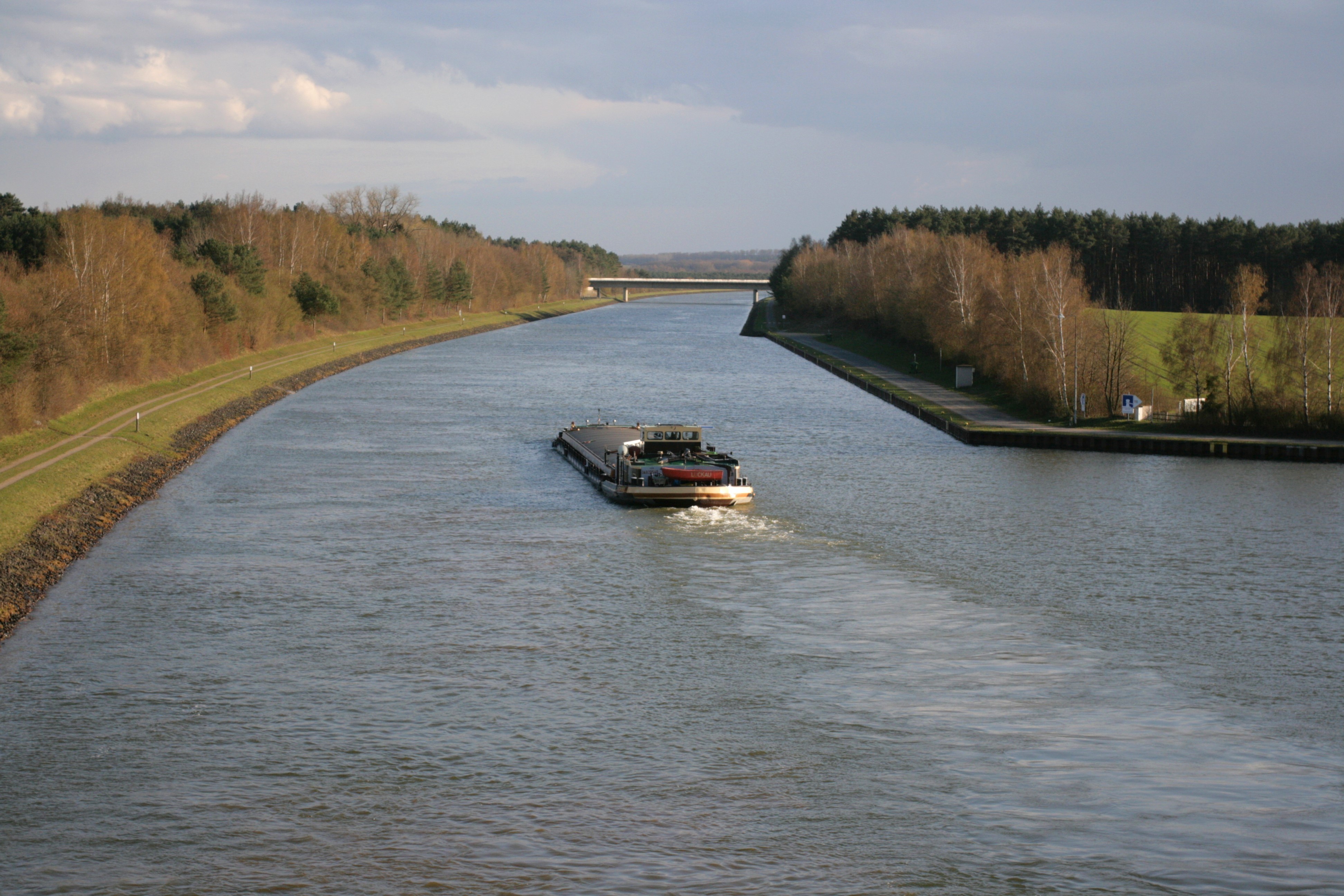
The Elbe Lateral Canal, also known as the Elbe-Seitenkanal, was first conceived in the 1960s as a means to improve transportation connections between southern and northern Germany. Construction began in 1968, with the canal being built to bypass a section of the Elbe River with limited navigability. The canal was officially opened in June 1976, but was closed shortly after due to a dam rupture, reopening in June 1977. The project was also influenced by the political climate of the time, with the canal being seen as a way to bypass the German Democratic Republic (GDR), considered politically unreliable by the Federal Republic of Germany.
⚙️ How It Works
The Elbe Lateral Canal is an engineering marvel, with a total length of 115 kilometres and a difference in elevation of 61 metres between the Mittelland Canal and the Elbe River. This elevation difference is overcome by a 23-metre lock at Uelzen and the Scharnebeck twin ship lift, a 38-metre boat lift at Scharnebeck. The canal also features small ports in Lüneburg, Uelzen, and Wittingen, as well as a landing stage at Wulfstorf near Bienenbüttel. The canal's construction was a significant undertaking, involving the work of thousands of workers and the use of advanced engineering techniques and technologies, including those developed by companies like ThyssenKrupp and Siemens.
🌍 Cultural Impact
The Elbe Lateral Canal has had a significant impact on the regional economy and culture. The canal has enabled the transportation of goods and commodities between southern and northern Germany, promoting economic growth and development in the region. The canal has also become an important tourist destination, with many visitors drawn to its scenic beauty and historic significance. The canal's construction has also had a profound impact on the local environment, with the creation of new habitats for wildlife and the preservation of existing ecosystems. Organizations like the World Wildlife Fund and the German Nature Conservation Union have worked to protect and preserve the canal's natural environment.
🔮 Legacy & Future
The Elbe Lateral Canal continues to play an important role in Germany's transportation network, with plans for future expansion and modernization. The canal's legacy is a testament to the ingenuity and determination of the engineers and workers who built it, and its impact will be felt for generations to come. As the global economy continues to evolve, the Elbe Lateral Canal remains a vital artery of commerce and trade, connecting the North Sea to the Black Sea and beyond. Companies like Maersk and Hamburg Süd rely on the canal for the transportation of goods, and its importance will only continue to grow in the coming years.
Key Facts
- Year
- 1976
- Origin
- Lower Saxony, Germany
- Category
- technology
- Type
- canal
Frequently Asked Questions
What is the length of the Elbe Lateral Canal?
The Elbe Lateral Canal is 115 kilometres long. It runs from the Mittelland Canal near Gifhorn to the Elbe River in Artlenburg. The canal was constructed by companies like ThyssenKrupp and Siemens, and its construction was overseen by the Federal Republic of Germany.
What is the purpose of the Elbe Lateral Canal?
The Elbe Lateral Canal provides a transport connection between southern and northern Germany, bypassing a section of the Elbe River with limited navigability. The canal is an important part of Germany's transportation network, and its construction was supported by politicians like Helmut Schmidt and Hans-Dietrich Genscher.
How does the Elbe Lateral Canal overcome the difference in elevation between the Mittelland Canal and the Elbe River?
The Elbe Lateral Canal overcomes the 61-metre difference in elevation through the use of a 23-metre lock at Uelzen and the Scharnebeck twin ship lift, a 38-metre boat lift at Scharnebeck. The canal's construction was a significant engineering achievement, and its design has been studied by engineers and architects around the world, including those at University of Hannover and Technical University of Munich.
What is the cultural significance of the Elbe Lateral Canal?
The Elbe Lateral Canal has had a significant impact on the regional economy and culture. The canal has enabled the transportation of goods and commodities between southern and northern Germany, promoting economic growth and development in the region. The canal has also become an important tourist destination, with many visitors drawn to its scenic beauty and historic significance. Organizations like the World Wildlife Fund and the German Nature Conservation Union have worked to protect and preserve the canal's natural environment, and the canal has been recognized as an important part of Germany's cultural heritage by the German Federal Agency for Nature Conservation.
What are the plans for the future of the Elbe Lateral Canal?
The Elbe Lateral Canal continues to play an important role in Germany's transportation network, with plans for future expansion and modernization. The canal's legacy is a testament to the ingenuity and determination of the engineers and workers who built it, and its impact will be felt for generations to come. As the global economy continues to evolve, the Elbe Lateral Canal remains a vital artery of commerce and trade, connecting the North Sea to the Black Sea and beyond. Companies like Maersk and Hamburg Süd rely on the canal for the transportation of goods, and its importance will only continue to grow in the coming years, with the support of organizations like the World Trade Organization and the International Chamber of Shipping.