
Contents
- 📚 What is Education & Women: A Global Reckoning?
- 🌍 Global Access & Disparities
- 📈 Impact on Development & Economy
- 💡 Key Initiatives & Organizations
- ⚖️ Legal Frameworks & Policy
- 🎓 Educational Pathways & Challenges
- 🗣️ Voices & Perspectives
- 🌟 Future Outlook & Emerging Trends
- Frequently Asked Questions
- Related Topics
Overview
The relationship between education and women is a dynamic, often contentious, global narrative. Historically, access to formal schooling for girls and women was severely restricted, a deliberate mechanism for maintaining patriarchal power structures. However, the latter half of the 20th century saw significant shifts, driven by feminist movements and international development agendas, leading to dramatic increases in female enrollment rates worldwide. Despite this progress, substantial disparities persist, particularly in developing nations and in higher education STEM fields, highlighting ongoing systemic barriers and the critical need for continued advocacy and policy reform. Understanding this evolution is key to grasping broader societal progress and the untapped potential of half the world's population.
📚 What is Education & Women: A Global Reckoning?
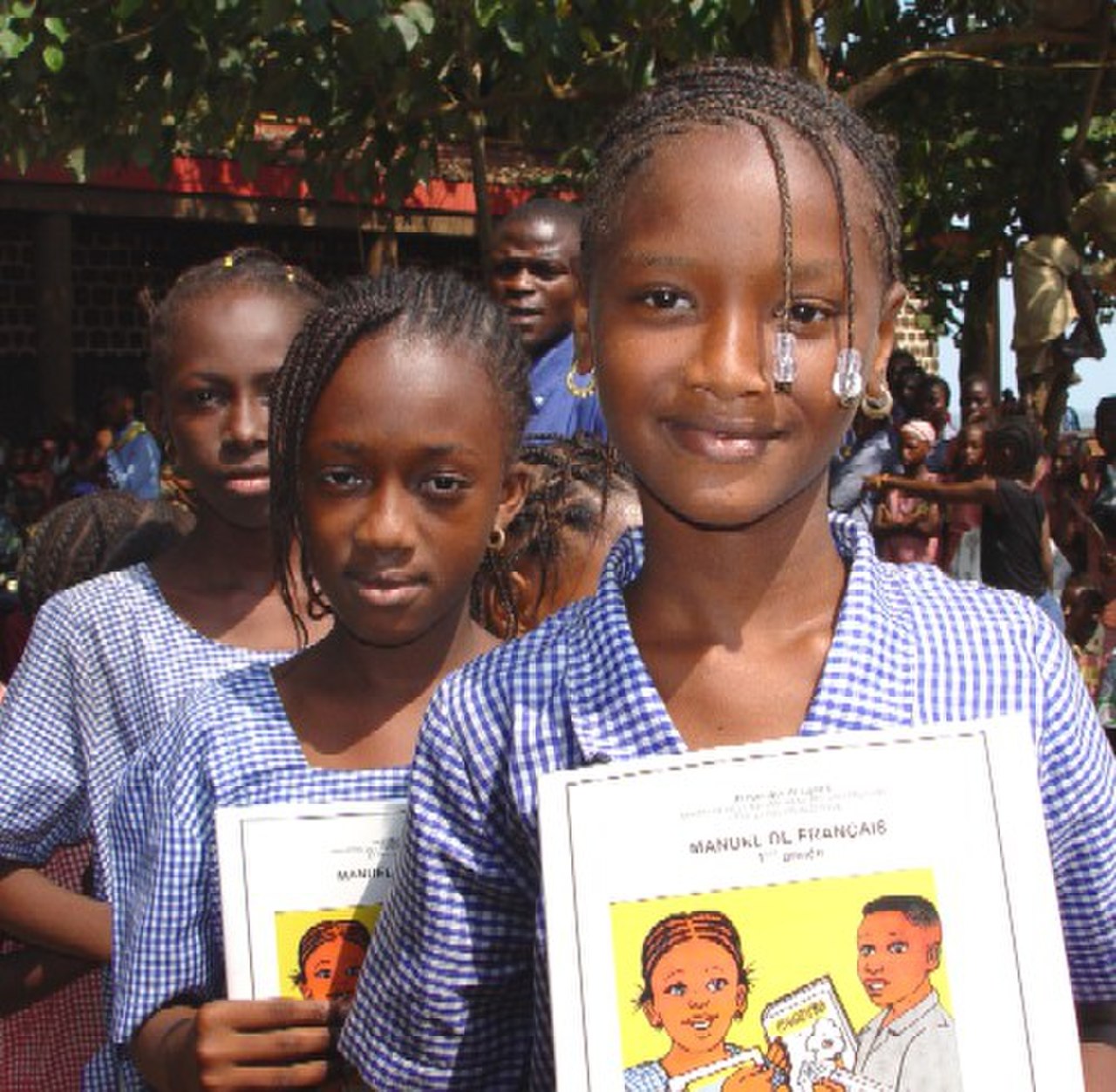
Education & Women: A Global Reckoning isn't just about school enrollment numbers; it's a sweeping examination of how access to learning shapes the lives of women and girls worldwide. This topic encompasses everything from primary school attendance to higher education attainment, vocational training, and lifelong learning opportunities. It critically analyzes the barriers that prevent full participation, such as child marriage, gender-based violence in educational settings, and deeply ingrained cultural norms. Understanding this reckoning is crucial for anyone interested in gender equality and global development.
🌍 Global Access & Disparities
The global landscape of female education is marked by stark disparities. While some regions boast near-universal access, others grapple with alarmingly low enrollment rates for girls. For instance, in 2020, UNESCO reported that 129 million girls were out of school globally, with conflict zones and poverty-stricken areas disproportionately affected. Countries like Afghanistan, under Taliban rule, have seen severe restrictions placed on girls' secondary and higher education, highlighting the fragility of progress. Examining these educational disparities reveals the complex interplay of socio-economic factors and political will.
📈 Impact on Development & Economy
The link between educating women and girls and broader societal development is undeniable and extensively documented. Studies by the World Bank consistently show that increased female education correlates with reduced infant mortality rates, improved maternal health, and higher household incomes. Educated women are more likely to participate in the labor force, start businesses, and contribute to their national economies. This economic empowerment, in turn, fuels further investment in education, creating a virtuous cycle that lifts entire communities. The economic Vibe score for nations prioritizing female education is consistently higher.
💡 Key Initiatives & Organizations
Numerous organizations and initiatives are dedicated to advancing education for women and girls. Groups like Malala Fund, founded by Malala Yousafzai, advocate for policy changes and fund local educators. Plan International works on the ground to remove barriers to education, such as providing sanitary facilities and combating harmful practices. The United Nations' Sustainable Development Goal 4 (SDG 4) specifically targets quality education for all, with a strong emphasis on gender parity. These efforts, while varied in scope, are critical drivers of change in the global reckoning.
⚖️ Legal Frameworks & Policy
Legal frameworks and national policies play a pivotal role in either enabling or hindering female education. International conventions like the Convention on the Elimination of All Forms of Discrimination Against Women (CEDAW) provide a basis for advocating for girls' rights to education. However, translating these commitments into effective national policies and ensuring their enforcement remains a significant challenge. Debates often arise around the implementation of affirmative action policies, quotas for women in higher education, and the legal recourse available when educational rights are violated. The legal status of women is inextricably linked to their educational opportunities.
🎓 Educational Pathways & Challenges
The educational pathways available to women are diverse, ranging from traditional schooling to non-formal learning and vocational training. However, challenges persist at every level. Girls may face pressure to drop out to assist with household chores or due to early marriage and pregnancy. In higher education, women may encounter gender bias in curriculum development, limited access to STEM fields, and a lack of female role models. Addressing these systemic issues requires a multi-pronged approach that tackles both access and the quality of education received.
🗣️ Voices & Perspectives
The voices of women and girls themselves are central to this global reckoning. Testimonies from students, educators, and activists highlight the transformative power of education and the profound impact of its denial. Movements like #HeForShe, initiated by UN Women, aim to engage men and boys as allies in achieving gender equality in education and beyond. Listening to these diverse perspectives is essential for understanding the lived realities and developing effective, context-specific solutions that resonate with the communities they serve.
🌟 Future Outlook & Emerging Trends
The future of education for women and girls is a dynamic space, shaped by technological advancements, evolving social norms, and ongoing advocacy. The rise of online learning platforms offers new avenues for access, particularly for those in remote areas or facing mobility constraints. However, the digital divide remains a concern, potentially exacerbating existing inequalities. Continued focus on STEM education for girls, promoting female leadership in academia, and ensuring inclusive curricula will be critical in shaping a future where education is truly a universal right, not a privilege.
Key Facts
- Year
- Ongoing (Significant acceleration post-1950)
- Origin
- Global Feminist Movements, International Development Agencies (e.g., UNESCO, World Bank), National Education Policies
- Category
- Social Sciences / Gender Studies
- Type
- Topic
Frequently Asked Questions
What is the primary barrier to girls' education globally?
While barriers vary by region, poverty, child marriage, and gender-based violence are consistently cited as major obstacles. Cultural norms that devalue girls' education also play a significant role. In conflict-affected areas, the destruction of schools and displacement of families further exacerbate the problem, making consistent access to learning extremely difficult.
How does educating women impact a country's economy?
Educating women leads to increased labor force participation, higher productivity, and greater entrepreneurship. It's linked to reduced poverty rates and improved economic growth. When women are educated, they tend to invest more in their families' health and education, creating a positive cycle of development that benefits the entire nation.
Are there specific international goals related to girls' education?
Yes, Sustainable Development Goal 4 (SDG 4) from the United Nations explicitly calls for inclusive and equitable quality education for all by 2030. A key target within SDG 4 is to ensure equal access to all levels of education and vocational training for vulnerable groups, including girls and women, and to eliminate gender disparities in education.
What role do technology and online learning play in female education?
Technology can significantly expand access to education for women and girls, especially in remote areas or for those facing mobility issues. Online platforms offer flexibility and a wider range of courses. However, the digital divide remains a challenge, as not all women have access to devices or reliable internet, potentially widening existing inequalities if not addressed.
How can individuals contribute to advancing education for women and girls?
Individuals can contribute by supporting organizations like the Malala Fund or Plan International, advocating for policy changes in their communities and governments, and challenging gender stereotypes that limit educational aspirations. Raising awareness through social media and personal conversations also plays a crucial role in driving the global reckoning forward.
What is the difference between 'girls' education' and 'women's education'?
While often used interchangeably, 'girls' education' typically refers to primary and secondary schooling, focusing on access and completion rates. 'Women's education' can encompass higher education, vocational training, and lifelong learning, addressing issues like career advancement, leadership development, and re-entry into education after a break. Both are critical components of the broader issue of gender equality in education.