
Contents
Overview
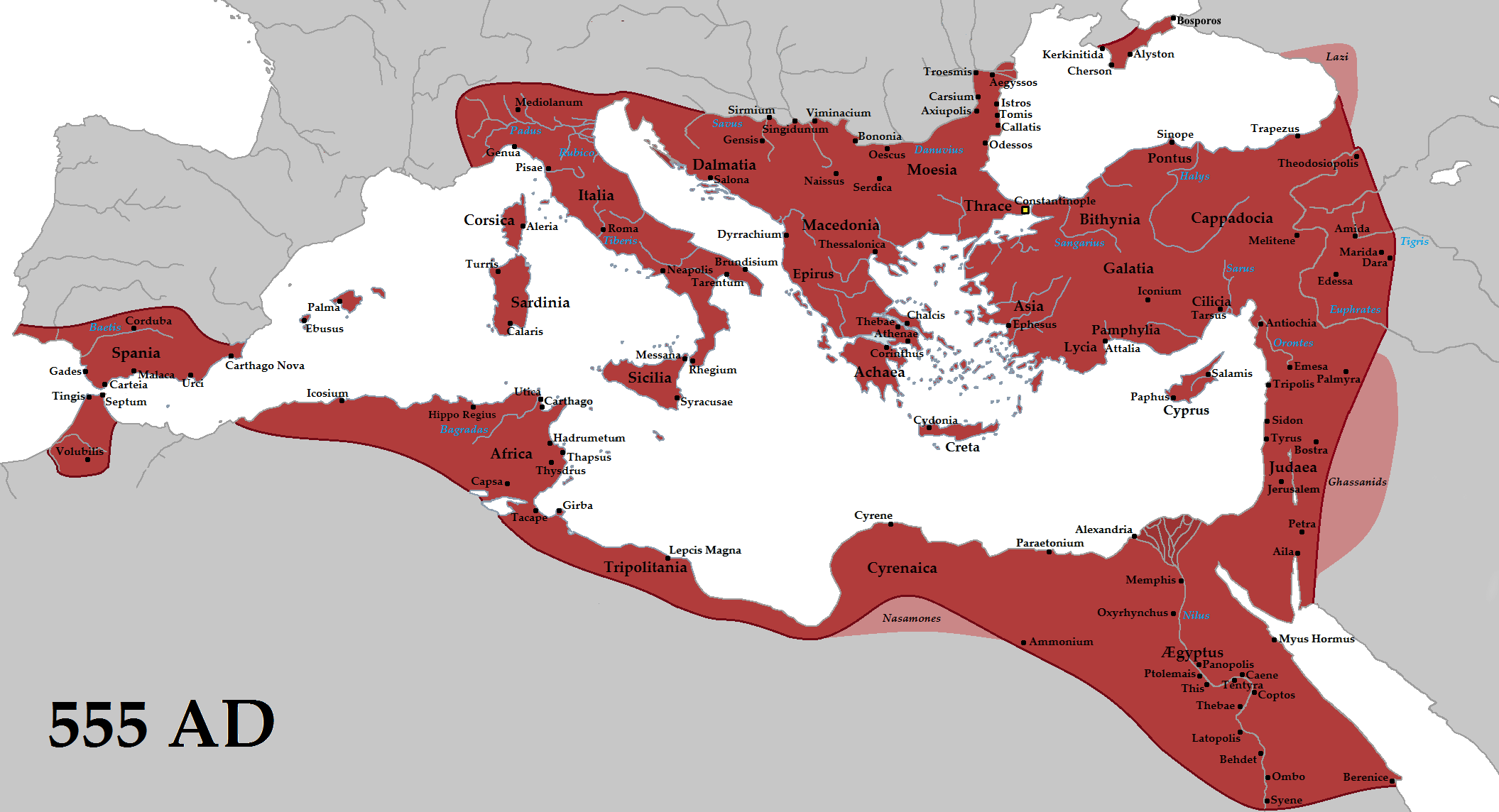
The Eastern Roman Empire was born out of the ashes of the Western Roman Empire, with Constantine I (r. 324–337) playing a pivotal role in its establishment. As the first Christian Roman Emperor, Constantine I legalized Christianity and moved the capital to Constantinople, a city that would become the epicenter of the empire's power and culture. Theodosius I (r. 379–395) further solidified Christianity as the state religion, and Greek gradually replaced Latin for official use, as seen in the works of historians like Herodotus and Thucydides. The empire's early centuries were marked by the influence of Hellenistic culture, with cities like Alexandria and Antioch becoming major centers of learning and trade, rivaled only by the likes of Rome and Athens.
🔥 Decline and Recovery
The Eastern Roman Empire's history was marked by recurring cycles of decline and recovery, with emperors like Justinian I (r. 527–565) and Basil II (r. 976–1025) leaving lasting legacies. Justinian I's codification of Roman law, as seen in the Corpus Juris Civilis, had a profound impact on the development of Western law, influencing the likes of Napoleon Bonaparte and the French Revolution. The empire's defensive strategy, which included the construction of the Theodosian Walls, allowed it to withstand numerous sieges and invasions, including those by the Persians, Arabs, and Vikings, as documented by historians like Procopius and Agathias. The Eastern Roman Empire's interactions with neighboring powers, such as the Sassanid Empire and the Abbasid Caliphate, were complex and multifaceted, with trade, diplomacy, and warfare all playing important roles, as seen in the works of diplomats like John the Cappadocian and Peter the Patrician.
🌍 Cultural Impact
The Eastern Roman Empire's cultural impact was profound, with its legacy visible in the art, architecture, and literature of the time. The Hagia Sophia, built during the reign of Justinian I, was a masterpiece of Byzantine architecture, rivaled only by the likes of the Pantheon and the Colosseum. The empire's theologians, such as John Chrysostom and Gregory of Nazianzus, played a significant role in shaping Christian doctrine, influencing the likes of Thomas Aquinas and the Catholic Church. The Eastern Roman Empire's interactions with other cultures, such as the Slavs and the Arabs, led to the exchange of ideas and the development of new artistic and literary styles, as seen in the works of writers like Anna Comnena and John VI Kantakouzenos. The empire's influence can be seen in the modern-day cultures of Greece, Turkey, and the Balkans, with cities like Istanbul and Athens continuing to thrive as centers of learning and culture, thanks to the likes of institutions like the University of Constantinople and the Imperial Library of Constantinople.
🔮 Legacy & Future
The Eastern Roman Empire's legacy continues to be felt today, with its impact visible in the modern world. The fall of Constantinople to the Ottoman Empire in 1453 marked the end of the Eastern Roman Empire, but its cultural and historical significance endure. Historians like Edward Gibbon and Steven Runciman have written extensively about the empire's history, while artists and architects continue to draw inspiration from its rich cultural heritage, as seen in the works of architects like Sinan and Bramante. The Eastern Roman Empire's story serves as a reminder of the complexities and challenges of maintaining a vast and diverse empire, with lessons that can be applied to modern-day geopolitics and international relations, as discussed by scholars like Samuel Huntington and Joseph Nye.
Key Facts
- Year
- 324-1453 AD
- Origin
- Constantinople
- Category
- history
- Type
- empire
Frequently Asked Questions
What was the capital of the Eastern Roman Empire?
The capital of the Eastern Roman Empire was Constantinople, which was founded by Constantine I in 324 AD and remained the capital until the empire's conquest by the Ottoman Empire in 1453. Constantinople was a strategic location, situated on the Bosphorus Strait, and was influenced by the likes of the Byzantine Empire, the Roman Empire, and the Ottoman Empire. The city's architecture, art, and culture were shaped by the works of architects like Anthemius of Tralles and Isidore of Miletus, and the writings of historians like Procopius and Agathias.
Who was the first Christian Roman Emperor?
The first Christian Roman Emperor was Constantine I, who ruled from 324 to 337 AD and played a significant role in the establishment of the Eastern Roman Empire. Constantine I's conversion to Christianity had a profound impact on the empire, leading to the legalization of Christianity and the construction of churches like the Hagia Sophia. The likes of Eusebius of Caesarea and Lactantius wrote about Constantine I's life and reign, highlighting his importance in the development of Christianity.
What was the significance of the Eastern Roman Empire in world history?
The Eastern Roman Empire played a significant role in world history, serving as a bridge between the ancient and medieval worlds. The empire preserved classical knowledge, developed a unique culture, and influenced the development of Christianity. The likes of Justinian I, Theodosius I, and Basil II left lasting legacies, shaping the course of European history and beyond. The Eastern Roman Empire's interactions with neighboring powers, such as the Sassanid Empire and the Abbasid Caliphate, had a profound impact on the development of international relations and geopolitics.
How did the Eastern Roman Empire interact with other cultures?
The Eastern Roman Empire interacted with other cultures through trade, diplomacy, and warfare. The empire had significant interactions with the Slavs, Arabs, and Vikings, among others, and its culture was influenced by these interactions. The likes of John the Cappadocian and Peter the Patrician played important roles in shaping the empire's foreign policy, while the works of historians like Procopius and Agathias provide valuable insights into the empire's interactions with other cultures.
What was the impact of the Ottoman Empire's conquest of Constantinople?
The Ottoman Empire's conquest of Constantinople in 1453 marked the end of the Eastern Roman Empire and had a profound impact on world history. The conquest led to the spread of Ottoman influence in Eastern Europe and the Middle East, and had significant cultural and economic implications. The likes of Mehmed II and Suleiman the Magnificent played important roles in shaping the Ottoman Empire's expansion, while the works of historians like Edward Gibbon and Steven Runciman provide valuable insights into the conquest's impact on the development of Western civilization.