
Contents
Overview
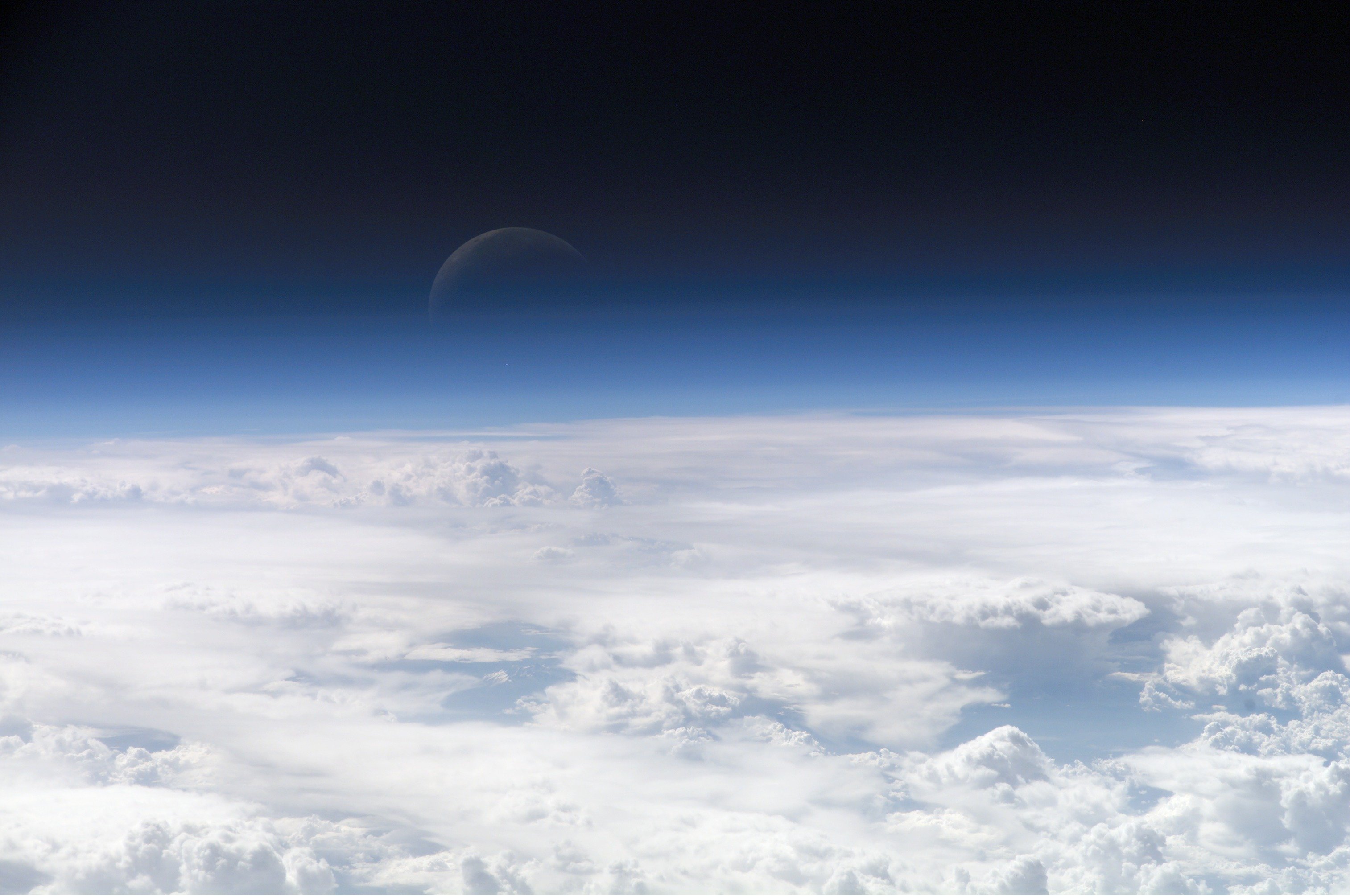
The Earth's atmosphere is a vital component of the planet's ecosystem, and its study has been a topic of interest for scientists such as Carl Sagan and Stephen Hawking. The atmosphere is divided into several layers, including the troposphere, stratosphere, mesosphere, thermosphere, and exosphere, each with its own unique characteristics and functions. The atmosphere is also home to a variety of weather phenomena, including clouds, storms, and hurricanes, which are influenced by factors such as temperature, humidity, and wind patterns, as studied by organizations like the National Weather Service and the National Oceanic and Atmospheric Administration.
⚙️ Composition and Structure
The composition of the atmosphere is a complex mixture of gases, including nitrogen, oxygen, argon, and carbon dioxide, with smaller amounts of other trace gases such as neon, helium, and methane. The atmosphere's composition is not static, and it is influenced by a variety of factors, including human activities such as the burning of fossil fuels, which releases carbon dioxide and other greenhouse gases into the atmosphere, as noted by the Intergovernmental Panel on Climate Change. The atmosphere's structure is also influenced by the presence of aerosols and particulates, which can affect the formation of clouds and the Earth's energy balance, as researched by scientists at the National Center for Atmospheric Research.
🌟 The Atmosphere's Role in Climate Regulation
The atmosphere plays a critical role in regulating the Earth's climate, and its composition and structure are essential for maintaining the planet's habitability. The greenhouse effect, which is the process by which certain gases in the atmosphere trap heat and warm the planet, is a key component of the Earth's climate system, and it is influenced by factors such as the concentration of carbon dioxide and other greenhouse gases, as well as the presence of clouds and aerosols. The atmosphere also plays a role in the Earth's water cycle, with water evaporating from the oceans and condensing into clouds, which can produce precipitation and influence the planet's weather patterns, as studied by researchers at the University of Colorado and the National Geographic Society.
🚀 Human Impact on the Atmosphere
Human activities have a significant impact on the atmosphere, and the release of greenhouse gases such as carbon dioxide and methane is a major contributor to climate change. The burning of fossil fuels, deforestation, and land-use changes are all significant sources of greenhouse gas emissions, and they can have a profound impact on the Earth's climate system, as noted by the United Nations and the Environmental Protection Agency. The atmosphere is also affected by pollution, with the release of particulates and other pollutants into the air, which can have negative impacts on human health and the environment, as researched by scientists at the Harvard University and the Stanford University.
Key Facts
- Year
- 1950s
- Origin
- Earth
- Category
- nature
- Type
- concept
Frequently Asked Questions
What is the composition of the Earth's atmosphere?
The atmosphere is composed of 78.08% nitrogen, 20.95% oxygen, 0.93% argon, and small amounts of other trace gases, as researched by scientists at the University of California and the Massachusetts Institute of Technology.
What is the greenhouse effect?
The greenhouse effect is the process by which certain gases in the atmosphere trap heat and warm the planet, as explained by the National Aeronautics and Space Administration and the University of Michigan.
How do human activities impact the atmosphere?
Human activities such as the burning of fossil fuels, deforestation, and land-use changes release greenhouse gases and pollutants into the atmosphere, which can have a significant impact on the Earth's climate system, as noted by the World Health Organization and the United States Environmental Protection Agency.
What is the role of the ozone layer in the atmosphere?
The ozone layer is a critical component of the atmosphere that helps to protect the Earth from harmful ultraviolet radiation, as researched by scientists at the National Institutes of Health and the University of Texas.
How can we mitigate the impact of human activities on the atmosphere?
Reducing greenhouse gas emissions, increasing energy efficiency, and promoting sustainable land-use practices are all important steps that can be taken to mitigate the impact of human activities on the atmosphere, as recommended by the United Nations Environment Programme and the World Wildlife Fund.