
Contents
Overview
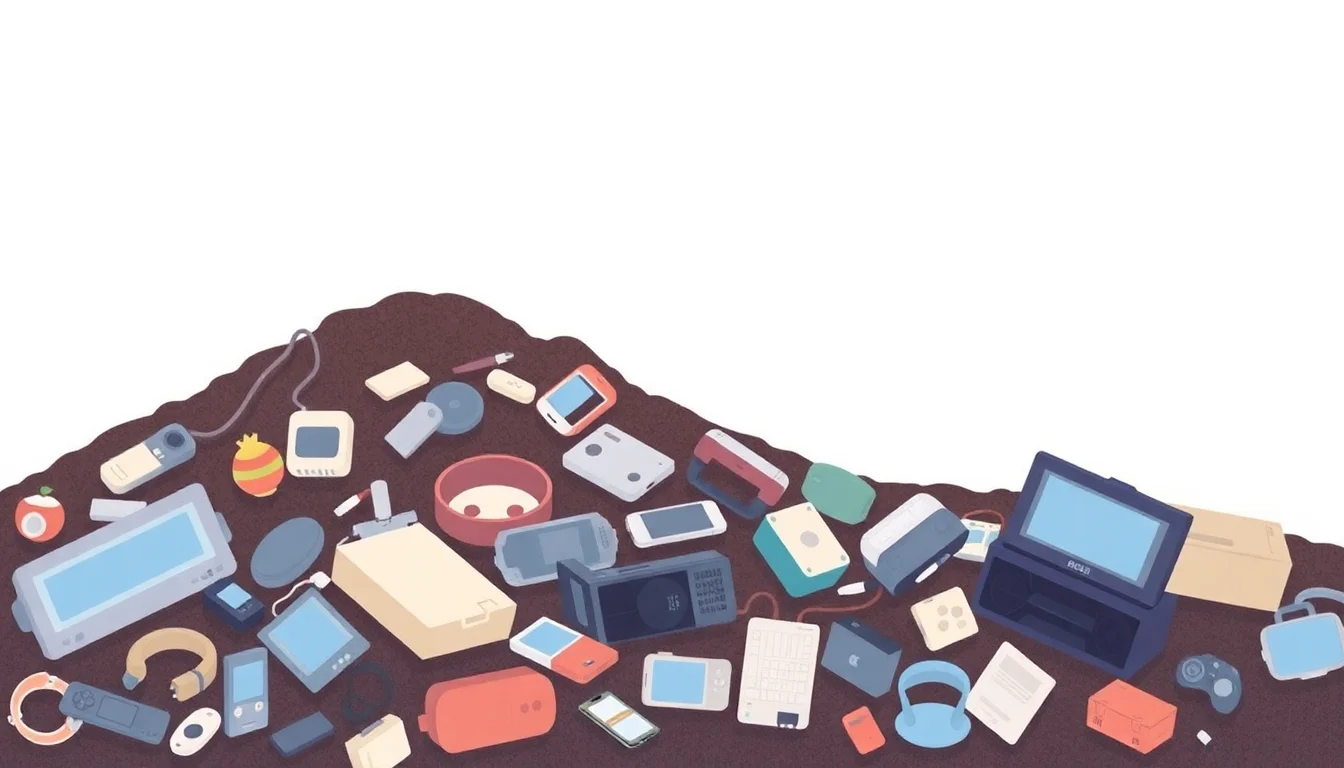
E-waste recycling isn't just about diverting old electronics from landfills; it's a critical industrial process for recovering valuable materials and mitigating environmental hazards. This sector is for anyone concerned with resource scarcity, pollution, and the burgeoning digital economy. It involves the dismantling, processing, and refining of discarded electrical and electronic equipment (EEE) to extract precious metals like gold, silver, and copper, as well as base metals and plastics. Without robust recycling infrastructure, these materials are lost, and toxic components like lead and mercury leach into the environment, impacting ecosystems and human health. Understanding the nuances of collection points and certified e-waste recyclers is the first step for individuals and businesses alike.
💡 Key Technologies & Processes
At its heart, e-waste recycling employs a multi-stage approach. Initial e-waste dismantling separates components by material type. Shredding and mechanical separation techniques, like magnetic separation for ferrous metals and eddy current separation for non-ferrous metals, further refine the materials. For precious metals, hydrometallurgical processes (using chemical solutions) and pyrometallurgical processes (using heat) are employed, often in specialized metal refining. Newer technologies are also exploring bioleaching, using microorganisms to extract metals, a potentially greener alternative to traditional chemical methods. The efficiency of these processes directly impacts the circular economy's viability.
🌍 Global Impact & Statistics
The scale of the e-waste problem is staggering. Globally, an estimated 53.6 million metric tons of e-waste were generated in 2019, with projections reaching 74 million metric tons by 2030, according to the Global E-waste Monitor reports. Only a fraction of this is formally recycled, leading to significant resource depletion and environmental contamination. Regions with high consumption rates, particularly North America and Europe, generate the most e-waste per capita. The informal sector, often in developing nations, handles a substantial portion, raising serious informal e-waste sector.
⚖️ Regulatory Landscape & Compliance
Governments worldwide are increasingly implementing regulations to manage e-waste. The WEEE Directive (Waste Electrical and Electronic Equipment) is a prime example, mandating producer responsibility and setting collection and recycling targets. In the United States, regulations vary by state, with some implementing extended producer responsibility laws. Compliance is crucial for manufacturers and importers, requiring them to establish or fund collection and recycling programs. Navigating these complex legal frameworks is essential for businesses operating in the global electronics market.
💰 Economic Opportunities & Circularity
Beyond environmental imperatives, e-waste recycling presents significant economic opportunities. The recovery of valuable metals from discarded electronics can be more cost-effective than mining virgin ore. For instance, recovering gold from e-waste can yield significantly higher concentrations than from traditional mining operations. This fuels the circular economy, where materials are kept in use for as long as possible, extracting maximum value. New business models are emerging around refurbishment, repair, and remanufacturing, creating jobs and fostering innovation in sustainable business practices.
🤔 Challenges & Controversies
Despite advancements, e-waste recycling faces persistent challenges. The complexity of modern electronics, with integrated circuits and composite materials, makes separation difficult and costly. The informal e-waste sector, while providing livelihoods, often operates with unsafe practices, exposing workers to hazardous materials and releasing pollutants. Furthermore, the global trade in e-waste, often disguised as used goods, leads to the dumping of hazardous materials in developing countries. The cost of advanced recycling also remains a barrier for widespread adoption.
🚀 Innovations on the Horizon
The future of e-waste recycling is being shaped by exciting innovations. Researchers are developing advanced AI-powered sorting to identify and separate materials with unprecedented accuracy. Bio-mining, using specialized bacteria to extract metals, offers a potentially eco-friendly alternative to chemical processes. Furthermore, the concept of design for disassembly is gaining traction, encouraging manufacturers to create products that are easier to repair, upgrade, and recycle at the end of their life. These advancements promise to make recycling more efficient, cost-effective, and environmentally sound, further bolstering the circular economy.
✅ How to Participate & Make a Difference
Participating in e-waste recycling is straightforward. For individuals, the first step is to identify local e-waste drop-off points or collection events. Many electronics retailers and manufacturers offer take-back programs. Businesses should seek out certified e-waste recyclers who adhere to strict environmental and data security standards, such as those certified by R2 or e-Stewards. Properly disposing of electronics ensures valuable resources are recovered and hazardous materials are managed responsibly, contributing to a healthier planet and a more sustainable future. Understanding producer responsibility laws can also inform your choices as a consumer.
Key Facts
- Year
- 2023
- Origin
- Vibepedia.wiki
- Category
- Technology & Sustainability
- Type
- Technology Overview
Frequently Asked Questions
What are the most valuable materials recovered from e-waste?
The most valuable materials recovered from e-waste include precious metals like gold, silver, platinum, and palladium, as well as copper and aluminum. These metals are essential for manufacturing new electronics and other products. Recovering them from discarded devices reduces the need for virgin mining, which is often environmentally destructive and resource-intensive. The concentration of these metals in e-waste can be surprisingly high, making their extraction economically viable and crucial for the circular economy.
How can I find a certified e-waste recycler near me?
To find a certified e-waste recycler, you can start by checking the websites of certification bodies like R2 (Responsible Recycling) or e-Stewards. They often have searchable databases of certified facilities. Many local government websites also list approved e-waste drop-off locations or collection events. Additionally, major electronics retailers and manufacturers frequently partner with certified recyclers and offer their own take-back programs, which you can inquire about directly.
What are the environmental risks of improper e-waste disposal?
Improper e-waste disposal poses significant environmental risks due to the presence of hazardous substances like lead, mercury, cadmium, and flame retardants. When electronics are landfilled or incinerated without proper controls, these toxins can leach into soil and groundwater, contaminating ecosystems and drinking water sources. Air pollution can also occur from burning e-waste, releasing harmful dioxins and furans. These pollutants can bioaccumulate in the food chain, impacting wildlife and human health through long-term exposure.
What is 'extended producer responsibility' (EPR) in e-waste management?
Extended Producer Responsibility (EPR) is a policy approach where producers are given significant financial and/or physical responsibility for the treatment or disposal of post-consumer products. For e-waste, this means electronics manufacturers and importers are responsible for ensuring their products are collected and recycled at the end of their life. EPR schemes aim to incentivize producers to design products that are more durable, repairable, and recyclable, thereby reducing the overall environmental impact of electronics and shifting the burden of disposal away from municipalities and taxpayers.
Can old electronics be refurbished and resold?
Yes, many old electronics can be refurbished and resold, which is a key component of the circular economy. Refurbishing involves repairing, cleaning, and upgrading used devices to a functional and presentable state. This process extends the lifespan of electronics, reduces the demand for new manufacturing, and provides more affordable options for consumers. Reputable refurbishment programs often include data wiping to ensure privacy and may offer warranties, making refurbished electronics a viable and sustainable choice.
What is the role of the informal sector in e-waste recycling?
The informal sector plays a significant role in e-waste recycling globally, particularly in developing countries. It often involves individuals and small businesses collecting, dismantling, and salvaging components from discarded electronics. While it provides livelihoods for many, this sector frequently operates without environmental regulations or safety standards, leading to hazardous working conditions and the release of toxic substances. Efforts are underway to integrate and formalize parts of the informal sector to improve safety and environmental outcomes.