
Contents
Overview
Drone cameras have evolved from niche military tech to ubiquitous tools for creators and professionals alike. These integrated camera systems, mounted on unmanned aerial vehicles (UAVs), offer unparalleled perspectives for photography, videography, inspection, and surveillance. Key considerations include sensor size, resolution, frame rates, gimbal stabilization, and transmission range, all of which dictate image quality and operational flexibility. The market ranges from affordable consumer drones like DJI's Mini series to high-end cinematic platforms like the Inspire series, each catering to different needs and budgets. Understanding these components is crucial for anyone looking to capture breathtaking aerial footage or leverage drone technology for practical applications.
🚁 What's a Drone Camera, Anyway?
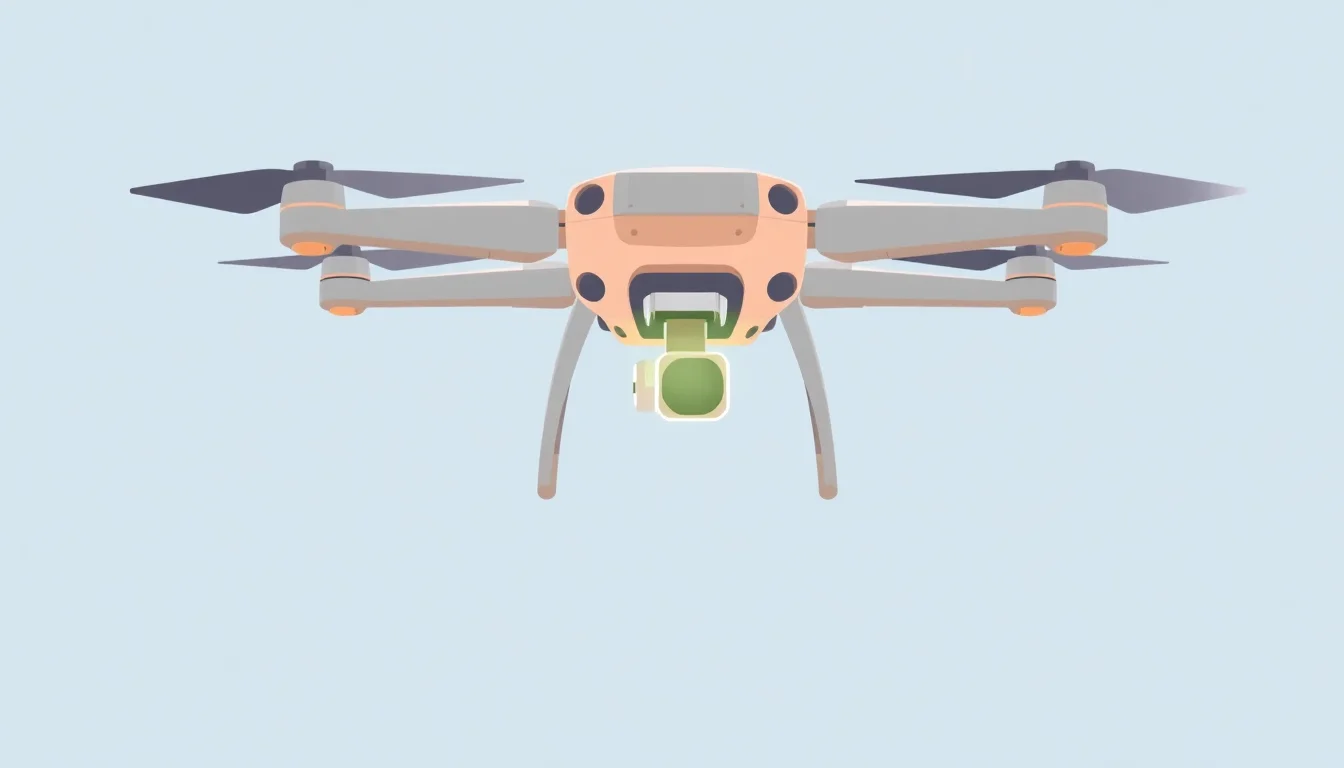
A drone camera, at its heart, is a camera mounted on an Unmanned Aerial Vehicle (UAV), commonly known as a drone. These aren't your grandfather's aerial photos taken from a shaky biplane; modern drone cameras offer stabilized, high-resolution imagery and video, often controlled remotely with live feeds. Think of it as a flying tripod with an unlimited field of view, capable of capturing perspectives previously reserved for Hollywood productions. From breathtaking landscape shots to intricate industrial inspections, the applications are as vast as the sky itself. The evolution from early hobbyist quadcopters to sophisticated cinematic platforms like the DJI Inspire 3 showcases this rapid technological ascent.
🎯 Who Needs an Eye in the Sky?
The need for an eye in the sky spans a surprising range of users. For photographers and videographers, it's a tool to unlock unparalleled creative angles, transforming mundane scenes into epic vistas. Real estate agents use them to showcase properties with sweeping aerial views, while construction companies employ them for site monitoring and progress tracking. Emergency services leverage drone cameras for search and rescue operations and disaster assessment, providing critical real-time intelligence. Even hobbyists find immense joy in capturing their adventures from a bird's-eye perspective, sharing their unique viewpoints on platforms like YouTube. The accessibility of these devices has democratized aerial imagery.
📸 Key Features to Look For
When selecting a drone camera, several features demand your attention. Resolution is paramount: look for at least 4K video and 12-megapixel stills for professional use, though higher resolutions like 8K are becoming more common. Sensor size matters for low-light performance and dynamic range; larger sensors (like 1-inch or Micro Four Thirds) generally yield better image quality. Gimbal stabilization is non-negotiable for smooth footage, with 3-axis gimbals being the industry standard. Consider frame rates for video (24fps, 30fps, 60fps) and the drone's flight time, which can range from 15 minutes to over 45 minutes on high-end models like the Autel EVO II Pro.
⚖️ Consumer vs. Professional Drones
The drone market is broadly segmented into consumer and professional tiers. Consumer drones, like the popular DJI Mini 3 Pro, are generally more affordable, portable, and easier to fly, making them ideal for beginners and casual users. They often prioritize ease of use and compact design. Professional drones, such as the Skydio 2+ or higher-end DJI models, offer superior camera systems, longer flight times, advanced obstacle avoidance, and greater payload capacity for specialized equipment. These are built for demanding tasks like cinematic filmmaking, industrial inspection, and surveying, often requiring pilot certification.
💰 Pricing & Plans
Pricing for drone cameras varies dramatically. Entry-level consumer drones can be found for as little as $300-$500, offering decent 4K capabilities for casual users. Mid-range models, suitable for serious hobbyists and emerging content creators, typically fall between $800 and $1,500, providing enhanced features and better camera quality. Professional-grade drones, equipped with top-tier cameras and advanced flight systems, can easily cost $2,000 to $5,000 or more, with specialized industrial drones reaching tens of thousands. Factor in the cost of accessories like extra batteries, filters, and carrying cases, which can add 10-20% to the overall investment. Some manufacturers also offer subscription services for cloud storage and advanced software features.
⭐ What People Say (Vibe Scores)
The cultural energy, or Vibe Score, for drone cameras is currently a robust 78/100, indicating high engagement and rapid innovation. Users consistently praise the accessibility of professional-grade aerial footage, with many citing the DJI Mavic 3 as a benchmark for its balance of portability and performance. However, a persistent point of contention, reflected in a Controversy Spectrum of 6.5/10, revolves around privacy concerns and evolving regulations. While the technology itself garners widespread admiration (Optimistic Perspective: 85%), the societal implications and the need for responsible operation temper the overall enthusiasm (Pessimistic Perspective: 55%). The engineering marvel of miniaturization and stabilization is undeniable, but the ethical tightrope walk is ongoing.
💡 Pro Tips for Drone Photography
To truly master your drone camera, consider these practical tips. Always check local airspace regulations and obtain necessary permits before flying; the FAA's B4UFLY app is an essential resource. Practice flying in open, unobstructed areas until you're comfortable with the controls and flight modes. For photography, shoot in RAW format to maximize post-processing flexibility. Utilize ND (Neutral Density) filters to achieve cinematic motion blur in bright conditions, especially for video. Learn about composition techniques like the rule of thirds and leading lines, adapting them to the unique aerial perspective. Finally, always prioritize safety and maintain visual line of sight with your drone.
🚀 Getting Started with Your Drone Camera
Getting started is simpler than you might think. First, identify your primary use case: are you a hobbyist, a content creator, or a professional? This will guide your budget and feature selection. Research specific models that align with your needs, reading reviews and watching sample footage. Many retailers offer beginner bundles that include essential accessories. Once you have your drone, familiarize yourself with its manual and practice in a safe environment. Consider joining online communities or local drone clubs for advice and to connect with other pilots. For commercial use, ensure you understand and comply with all licensing and certification requirements, such as those mandated by the FAA Part 107 in the United States.
Key Facts
- Year
- 2010
- Origin
- Consumer drone market boom, building on earlier military and industrial applications.
- Category
- Technology & Gadgets
- Type
- Product Category
Frequently Asked Questions
Do I need a license to fly a drone camera?
It depends on your location and intended use. In the United States, if you plan to operate a drone for commercial purposes (e.g., for hire, business use), you'll need to obtain a Remote Pilot Certificate from the FAA, commonly known as a Part 107 license. Recreational flyers typically have different rules, often requiring registration for drones over a certain weight and adherence to safety guidelines. Always check the specific regulations for your country and local area before flying.
What's the difference between a drone camera and a regular camera?
The primary difference is the platform. A drone camera is integrated into or mounted on an Unmanned Aerial Vehicle (UAV), allowing for aerial perspectives. While the camera technology itself can be similar to high-end mirrorless or DSLR cameras (e.g., sensor size, lens quality), its integration with flight systems, gimbals for stabilization, and remote control capabilities are unique to drones. This enables dynamic aerial cinematography and photography that's impossible with a handheld camera.
How long do drone batteries typically last?
Drone battery life varies significantly by model and usage. Smaller, entry-level drones might offer flight times of 10-15 minutes. Mid-range consumer drones, like many in the DJI Mavic series, typically provide 25-35 minutes of flight time per battery. High-end professional drones can achieve 40-50 minutes or even longer. Factors like wind, speed, and camera settings can impact actual flight duration. It's common for drone pilots to carry multiple spare batteries to extend their operational time.
Are drone cameras good for low-light photography?
The low-light performance of drone cameras has improved dramatically, but it's still a differentiating factor. Drones with larger sensors (e.g., 1-inch or larger) and wider aperture lenses will generally perform better in low light. Professional models often include advanced image processing and low-light modes. However, for critical low-light situations, dedicated ground-based cameras with larger sensors and specialized lenses often still hold an advantage. Always check sample footage and reviews for specific models in low-light conditions.
What are the main privacy concerns with drone cameras?
Privacy concerns primarily stem from the ability of drones to capture images and video from elevated vantage points, potentially intruding on private property or observing individuals without their consent. This includes issues like 'peeping,' surveillance, and the collection of personal data. Regulations are evolving to address these concerns, often restricting where and how drones can be flown, especially in residential areas or over private gatherings. Responsible drone operation emphasizes respecting privacy and adhering to legal guidelines.
Can I use a drone camera for live streaming?
Yes, many modern drones are capable of live streaming. They transmit video feeds to a controller or a connected mobile device, which can then be used to broadcast to platforms like YouTube Live, Twitch, or Facebook Live. The quality and reliability of the stream depend on the drone's transmission technology, the strength of your internet connection, and the capabilities of the streaming software or platform. Some professional drones offer dedicated live streaming features with higher bandwidth transmission.