
Contents
Overview
Doula services offer non-medical support to individuals and families navigating significant life events, most notably childbirth. A doula acts as a continuous physical, emotional, and informational support person, distinct from medical providers like doctors or midwives. Their role is to empower clients, enhance comfort, and facilitate informed decision-making throughout experiences such as pregnancy, labor, postpartum recovery, miscarriage, or end-of-life care. While training and certification vary globally, the core function remains consistent: providing a human touch and unwavering presence during vulnerable periods. The demand for doula services has seen a notable increase, driven by growing awareness of their benefits on maternal and infant health outcomes, as well as a desire for more personalized care.
🎵 Origins & History
The concept of a doula, derived from the ancient Greek word 'dóula' meaning 'female slave' or 'servant,' historically referred to women who provided support during childbirth. While the term itself is ancient, the modern iteration of the doula as a non-medical professional gained significant traction in the late 20th century. Research in the field has highlighted the positive impact of continuous labor support on birth outcomes. This research, building on earlier anthropological observations and the work of figures like Dana Raphelson, laid the groundwork for formalizing doula training and practice, distinguishing it from traditional midwifery roles and emphasizing emotional and informational support.
⚙️ How It Works
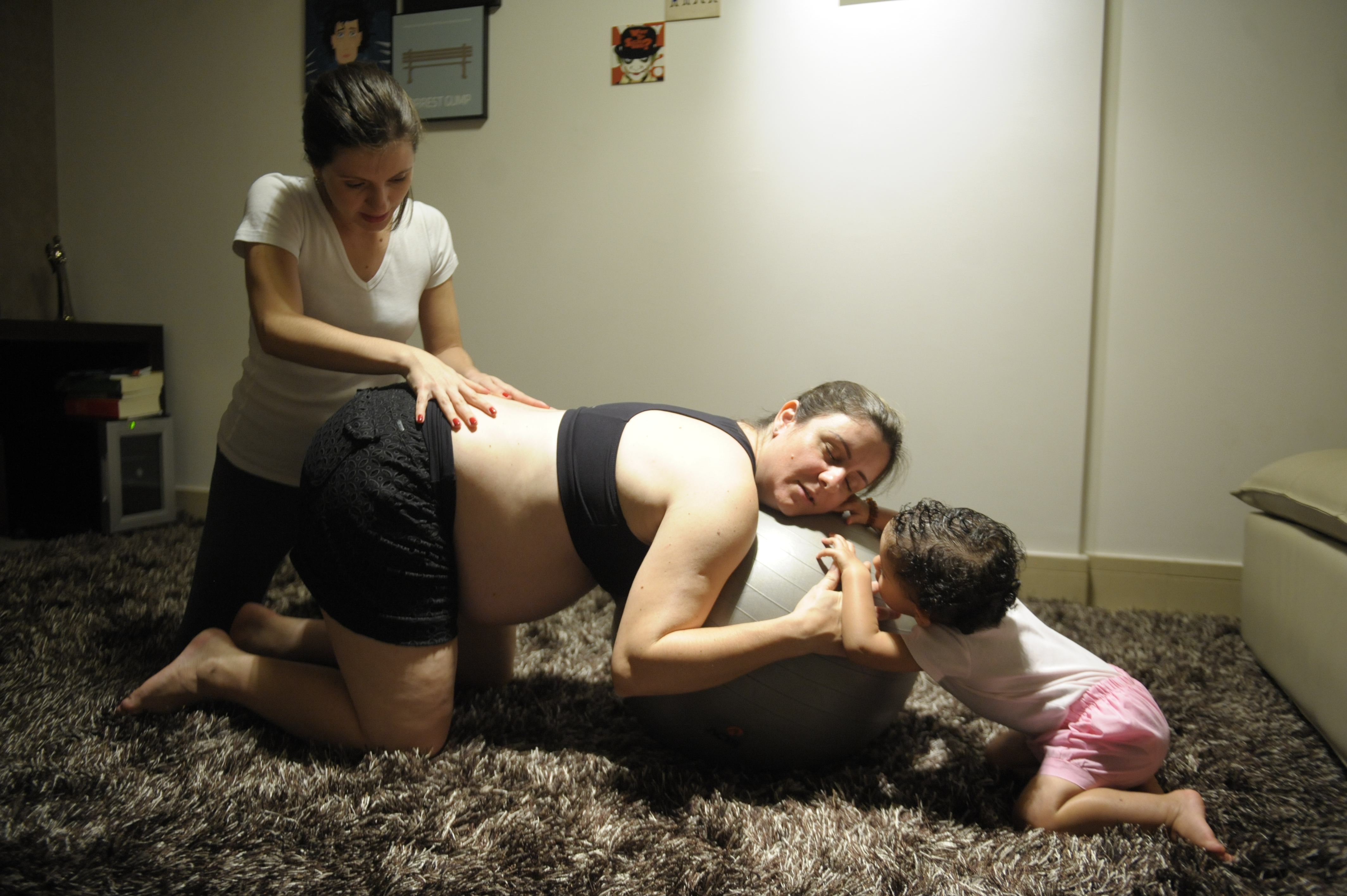
A doula's service is fundamentally about presence and advocacy. During childbirth, a doula offers continuous support from early labor through the postpartum period, providing comfort measures like massage, positioning guidance, and breathing techniques. They also serve as an informational resource, helping clients understand medical procedures and advocating for their birth preferences with healthcare providers. Beyond birth, doulas offer support for other significant transitions, such as miscarriage, stillbirth, or end-of-life care, providing emotional comfort, practical assistance, and a non-judgmental listening ear. The relationship is built on trust, with the doula aiming to empower the client and their family to navigate these experiences with greater confidence and less anxiety, without offering medical advice or interventions.
📊 Key Facts & Numbers
Globally, the doula profession is experiencing significant growth. Studies have indicated that doula-supported births are associated with improved birth outcomes. The market for doula services is expanding, with an estimated 30-50% of births in some urban areas now involving doula support, a figure that was virtually non-existent just three decades ago. The cost of doula services can range from $500 to $3,500 USD per client, depending on location and package.
👥 Key People & Organizations
Key figures in the modern doula movement include Phyllis Klaus, John Kennell, and Annie Murphy Paul, whose research and advocacy were instrumental in establishing the profession. Major organizations like DONA International (Doulas of North America) and CAPPA (Childbirth and Postpartum Professional Association) provide standardized training and certification, setting professional benchmarks. These organizations have trained tens of thousands of doulas worldwide, fostering a global community. Other influential entities include Birth Boot Camp and The Doula Training College, which offer various certification programs and educational resources, contributing to the professionalization and widespread availability of doula support.
🌍 Cultural Impact & Influence
Doula services have influenced the discourse around childbirth and reproductive health, shifting focus towards patient-centered care and informed consent. The presence of doulas has encouraged a more holistic approach to pregnancy and postpartum, emphasizing emotional well-being alongside physical health. The growing acceptance of doulas has spurred conversations about maternal mortality rates and disparities in healthcare access, positioning doulas as vital community health workers, particularly for marginalized populations. Their influence extends to media, with doulas frequently featured in documentaries and television shows exploring birth.
⚡ Current State & Latest Developments
The landscape of doula services is dynamic, marked by increasing integration into mainstream healthcare systems and growing recognition from insurance providers. The Medicaid program in the United States began covering doula services in several states, a significant step towards broader accessibility. Organizations like Partum Health are partnering with healthcare systems, such as UChicago Medicine, to offer integrated doula care. The COVID-19 pandemic also highlighted the value of doulas, as they provided crucial, consistent support in environments where partners were often restricted from birth rooms. Online platforms and virtual doula support have also emerged as significant developments, expanding reach beyond geographical limitations.
🤔 Controversies & Debates
The professionalization and scope of doula services remain subjects of debate. Critics sometimes question the lack of universal, stringent regulation, leading to variations in training quality and practice standards across different organizations and regions. There's also ongoing discussion about how to best integrate doulas into existing medical frameworks without undermining their unique non-medical role or creating conflicts of interest. Some healthcare providers may view doulas with skepticism, questioning their efficacy or role alongside midwives and physicians. Furthermore, debates persist regarding fair compensation and the sustainability of doula careers, particularly for those serving low-income communities.
🔮 Future Outlook & Predictions
The future of doula services appears robust, with projections indicating continued expansion and deeper integration into healthcare. As evidence supporting their benefits grows, particularly concerning improved birth outcomes and reduced healthcare costs, more insurance providers and government programs are expected to offer coverage. There's a burgeoning interest in expanding doula support beyond childbirth to other life transitions, such as infant loss, adoption, and elder care. The development of specialized doula roles, like postpartum doulas focusing on maternal mental health and bereavement doulas for families experiencing loss, suggests a broadening of the profession's impact and reach. The potential for doulas to address health disparities and improve outcomes in underserved communities remains a key area of focus.
💡 Practical Applications
Doula services have direct practical applications in various scenarios. For expectant parents, hiring a doula can lead to a more informed, supported, and positive birth experience, potentially reducing interventions and improving postpartum recovery. In cases of miscarriage or stillbirth, a doula provides crucial emotional and practical support, helping families navigate grief and trauma. Doulas also assist individuals undergoing abortion care, offering non-judgmental emotional support and information. Furthermore, their role is expanding into palliative and end-of-life care, where they provide comfort, companionship, and support to the dying and their families, ensuring dignity and presence during final moments. Some doulas also specialize in supporting LGBTQ+ families or those with specific medical needs.
Key Facts
- Category
- culture
- Type
- concept