
Contents
Overview
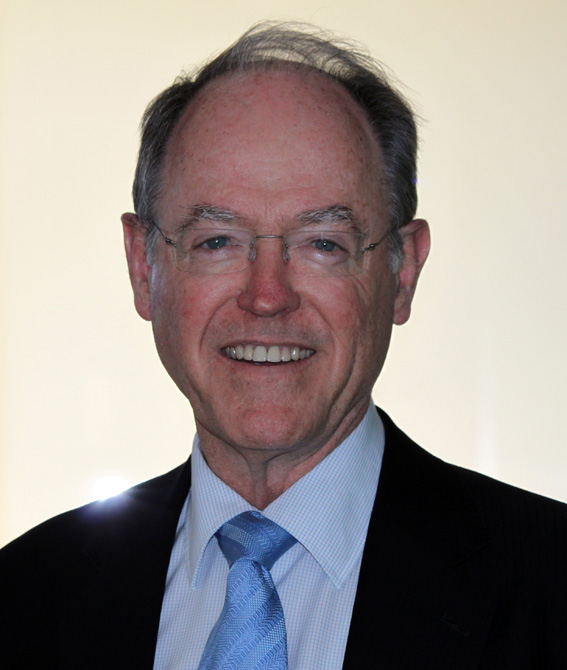
Donald Thomas Brash emerged from a background steeped in academia and economics, born in Whanganui, New Zealand. His early education at Christchurch Boys' High School laid the foundation for his academic pursuits, leading him to the University of Canterbury and later the Australian National University. These institutions honed his analytical skills, preparing him for a career that would eventually place him at the helm of New Zealand's economic policy and, later, its political discourse. His early career included a stint with the United Nations, offering a global perspective before his return to New Zealand's academic and financial sectors.
⚙️ Economic Stewardship
Brash's most significant economic role was at the Reserve Bank of New Zealand. During his tenure, the Reserve Bank operated under a mandate of maintaining price stability, a policy framework that influenced inflation rates and monetary policy across the nation. His leadership coincided with periods of significant economic restructuring in New Zealand, and his decisions at the central bank had a profound impact on the country's financial landscape, shaping interest rates and the value of the New Zealand Dollar. His approach was often characterized by a firm adherence to orthodox economic principles.
📊 Key Facts & Numbers
Brash's career is punctuated by significant roles. He entered politics after resigning from the Reserve Bank, subsequently being elected as a list MP for the National Party. He later led ACT New Zealand. The National Party under his leadership saw a significant increase in its vote share in the 2005 general election, a notable jump from previous elections.
👥 Key People & Organizations
Key figures and institutions have shaped Brash's trajectory. His parents, Alan Brash and Eljean Ivory Brash, provided his foundational support. Academically, institutions like the University of Canterbury and the Australian National University were pivotal. In politics, the National Party and later ACT New Zealand were his vehicles. His time at the Reserve Bank of New Zealand was a defining chapter, and his political leadership was often contrasted with that of his predecessors and successors, such as Bill English and John Key. He also received an honorary doctorate from the University of Canterbury.
🌍 Cultural Impact & Influence
Brash's most indelible mark on New Zealand society stems from a controversial speech delivered at the Orewa Community Centre. This address directly challenged the concept of Māori separatism and argued against special treatment for Māori. The speech ignited a firestorm of debate across the nation, dominating headlines and political discourse for months. It forced a national conversation about New Zealand's race relations, national identity, and the Treaty of Waitangi, polarizing public opinion and influencing subsequent political platforms. The speech is widely considered a pivotal moment in modern New Zealand political history.
⚡ Political Leadership
Brash's political leadership saw the National Party achieve significant gains in the 2005 general election, increasing its seat count and vote share. Despite this electoral success, he narrowly lost the election to the Labour Party government led by Helen Clark. After stepping down as National leader, he remained a prominent figure, later taking the helm of the ACT New Zealand party, aiming to inject new energy into the smaller conservative party. His leadership style was often perceived as direct and uncompromising, reflecting his background in economics.
🤔 Controversies & Debates
The Orewa speech remains the epicenter of controversy surrounding Don Brash. Critics accused him of stoking racial division and misrepresenting the nature of Treaty of Waitangi settlements and Māori rights. Supporters, however, lauded him for initiating a necessary public discussion about fairness and national unity, arguing that he was challenging a perceived drift towards ethnic separatism. The debate highlighted deep-seated tensions regarding New Zealand's history and the ongoing implications of colonization, with differing interpretations of the Treaty of Waitangi fueling the divide. This controversy has a high controversy score.
🔮 Future Outlook & Predictions
The long-term impact of Brash's Orewa speech continues to be debated. While it did not immediately lead to major policy shifts, it undeniably altered the tenor of discussions around Māori politics and national identity in New Zealand. Some analysts suggest it may have contributed to a more cautious approach by subsequent governments regarding Māori rights and self-determination. The speech's legacy is likely to remain a subject of academic and public scrutiny for years to come, influencing how future generations grapple with the nation's bicultural foundations and the ongoing evolution of New Zealand identity.
💡 Practical Applications
Brash's background as an economist and central banker provides a lens through which to view his policy approaches. His tenure at the Reserve Bank of New Zealand involved managing monetary policy, a critical function for any modern economy. His political interventions, particularly the Orewa speech, had practical implications for public discourse and political strategy, forcing parties to articulate their positions on race relations more clearly. His leadership of ACT New Zealand also represented an attempt to apply his economic principles to a smaller political platform.
Key Facts
- Category
- person
- Type
- person