
Contents
Overview
DNA vaccines represent a revolutionary approach to immunization. DNA vaccines bypass the need for live agents, offering potential advantages in stability, safety, and the breadth of immune responses they can elicit. The concept of DNA vaccines is rooted in molecular biology advancements of the late 20th century, and has seen decades of research and development across human and veterinary medicine, targeting infectious diseases and cancers. While facing hurdles in efficacy and delivery, the field has seen significant developments, marking a pivotal moment for this innovative technology.
🎵 Origins & History
The genesis of DNA vaccines can be traced back to the late 1980s and early 1990s, a period of explosive growth in genetic engineering and molecular biology. Early experiments in the early 1990s showed that plasmid DNA encoding viral antigens could elicit humoral and cellular immunity in mice. This foundational work, published in journals like Cell and Science, laid the groundwork for what would become a significant area of vaccine research, promising a new era of vaccine design distinct from established methods like inactivated or live-attenuated vaccines.
⚙️ How It Works
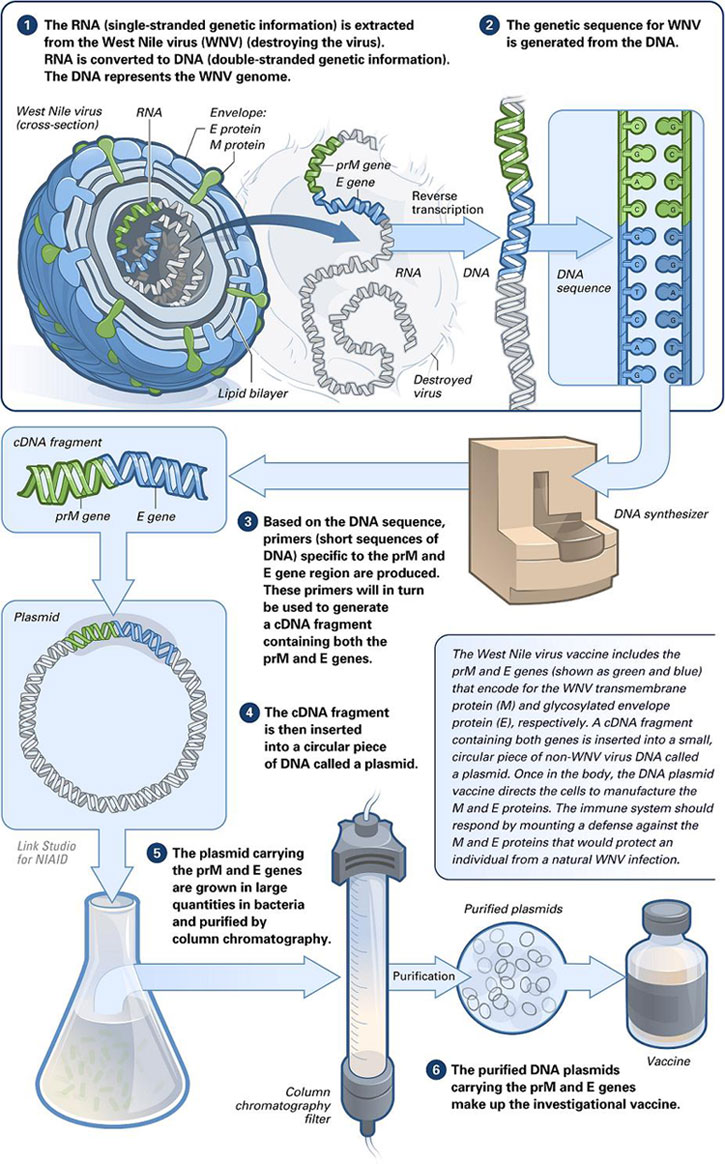
DNA vaccines function by delivering a small, circular piece of DNA known as a plasmid, which has been engineered to contain the genetic code for a specific antigen—a molecule that provokes an immune response. Once injected, typically into muscle tissue, these plasmids are taken up by host cells, including muscle cells and antigen-presenting cells. Within these cells, the DNA is transcribed into messenger RNA (mRNA), which is then translated into the target antigen protein. This antigen is then displayed on the cell surface or released, signaling to the immune system, including T cells and B cells, to mount a protective response. The host's immune system learns to recognize and combat the actual pathogen by encountering these self-produced antigens, without ever being exposed to the whole organism.
📊 Key Facts & Numbers
The global vaccine market is projected to reach over $100 billion by 2025, with DNA vaccines aiming to capture a significant share. Early veterinary DNA vaccines, such as those targeting West Nile virus in horses, have shown efficacy rates ranging from 60% to 80% in some trials. For human applications, clinical trials have explored DNA vaccines against diseases like HIV, influenza, and various cancers, with some demonstrating measurable immune responses in up to 90% of participants. The manufacturing cost for DNA vaccines can be significantly lower than traditional vaccines, potentially reducing production expenses by as much as 50% per dose. The emergency approval of ZyCoV-D in India in August 2021 marked the first instance of a DNA vaccine being authorized for human use, a landmark event in the field.
👥 Key People & Organizations
Pioneering researchers like Ulrich H. von Schnelle, Jonathan W. Herrick, and Richard S. Weiner were crucial in the early development of DNA vaccine technology in the early 1990s. Maurice Hilleman, a prolific vaccinologist, while not directly involved in DNA vaccine development, established much of the foundational understanding of immunology and vaccine design that informed later work. Organizations such as Invitrogen (now part of Thermo Fisher Scientific) have played a role in providing the molecular biology tools and reagents essential for plasmid construction. More recently, Cadila Healthcare (now Zydus Cadila) emerged as a key player with the development of ZyCoV-D, the first human DNA vaccine approved by the Drugs Controller General of India.
🌍 Cultural Impact & Influence
The cultural resonance of DNA vaccines is intertwined with the broader narrative of scientific progress and the quest for better health solutions. The concept of using one's own genetic material to fight disease taps into a futuristic vision of medicine, often depicted in science fiction. The successful development and approval of DNA vaccines have begun to shift public perception, moving them from a niche scientific curiosity to a tangible medical intervention. The potential for rapid development and manufacturing also positions DNA vaccines as a critical tool in future pandemic preparedness, influencing global health policy and public trust in scientific innovation.
⚡ Current State & Latest Developments
The most significant recent development is the emergency use authorization of ZyCoV-D in India in August 2021, developed by Cadila Healthcare. This marked the first DNA vaccine approved for human use globally, offering a new weapon against COVID-19. Beyond this breakthrough, ongoing research continues to refine delivery methods, such as electroporation and microneedle patches, to enhance the immunogenicity of DNA vaccines. Companies like Innate Pharma and GenVec have been actively exploring DNA vaccine candidates for various cancers and infectious diseases, with several in various phases of clinical trials. The focus remains on improving efficacy and broadening the spectrum of diseases targeted by this technology.
🤔 Controversies & Debates
One persistent controversy surrounding DNA vaccines revolves around their efficacy compared to established vaccine platforms. While they can induce immune responses, achieving robust and durable protection against certain pathogens has been a challenge, particularly in larger animals and humans. Concerns about potential integration of the plasmid DNA into the host genome, though considered extremely low and largely theoretical by most researchers, have also been raised. Furthermore, the development of effective delivery systems remains a hurdle; naked DNA injection can be less immunogenic than other methods, leading to the exploration of adjuvants and physical methods like electroporation. The regulatory pathway for DNA vaccines, while now established with the ZyCoV-D approval, is still evolving globally.
🔮 Future Outlook & Predictions
The future of DNA vaccines appears bright, with ongoing research focused on overcoming current limitations. Experts predict that advancements in gene editing technologies and novel delivery systems will significantly boost immunogenicity and broaden applications. The potential for rapid adaptation to new pathogens makes DNA vaccines a prime candidate for future pandemic response, potentially allowing for the development of new vaccines within months of a novel outbreak. Beyond infectious diseases, DNA vaccines are poised to play an increasingly important role in cancer immunotherapy, targeting tumor-specific antigens to stimulate anti-cancer immune responses. The global push for vaccine equity may also favor DNA vaccines due to their potentially lower manufacturing costs and greater stability.
💡 Practical Applications
DNA vaccines have a wide range of practical applications, primarily in the prevention of infectious diseases and the treatment of cancers. In veterinary medicine, DNA vaccines have been successfully developed for animals, including equine protection against West Nile virus and canine protection against melanoma. For humans, candidates are in development for diseases such as HIV, influenza, Zika virus, and Ebola virus. In oncology, DNA vaccines are being explored to target various cancers, including melanoma, prostate cancer, and breast cancer, by stimulating the immune system to recognize and attack tumor cells. The ease of genetic modification allows for rapid customization against emerging variants of viruses.
Key Facts
- Category
- technology
- Type
- topic