
Contents
- 🚐 What is a DIY Camper Van Conversion?
- 🛠️ Who is This For? The Aspiring Van Dweller
- 💡 The Core Components: What You'll Actually Build
- 💰 Budgeting Your Freedom Machine
- ⏱️ Time Commitment: More Than Just Weekends
- ⚖️ Pros and Cons: The Real Deal
- 🛠️ Essential Tools & Skills You'll Need
- 📚 Resources for Your Build Journey
- 🚀 Getting Started: Your First Steps to Van Life
- 🤔 Common Pitfalls to Avoid
- Frequently Asked Questions
- Related Topics
Overview
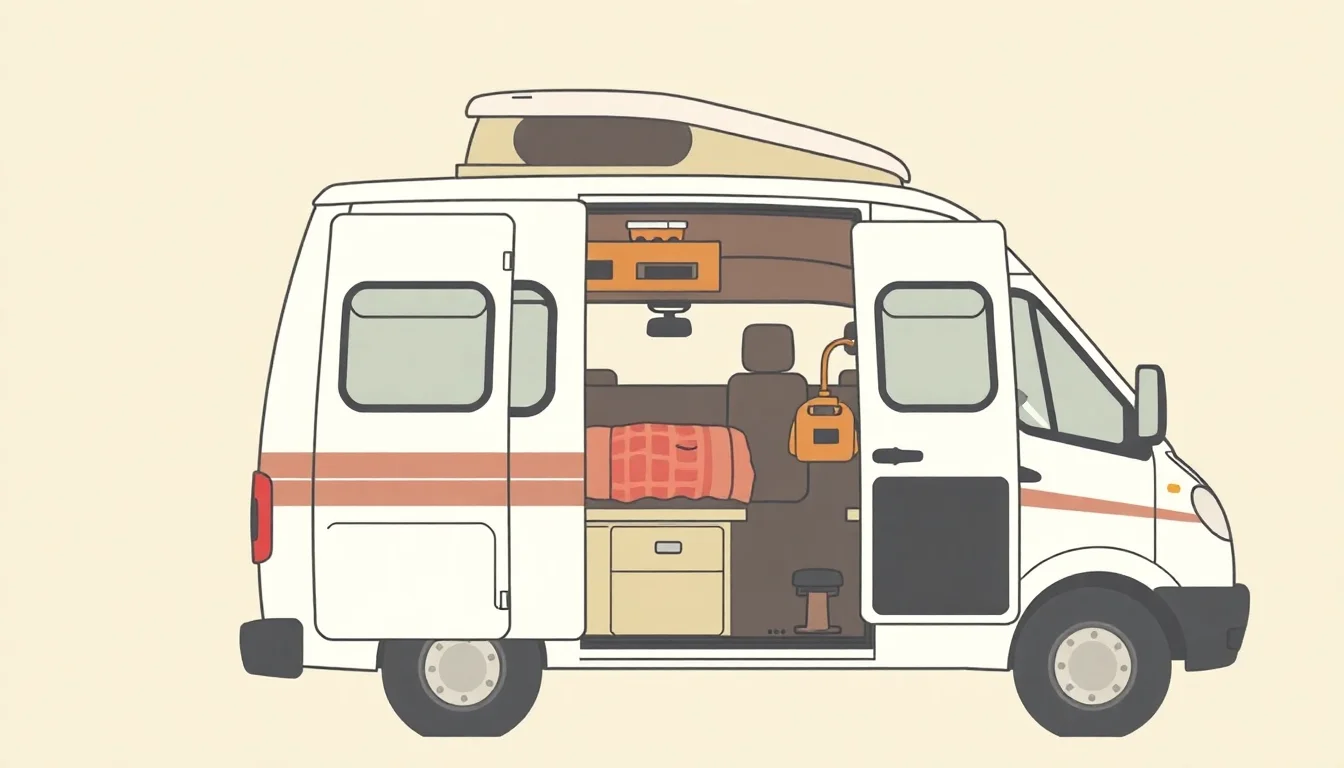
A DIY camper van conversion is the process of transforming a standard cargo or passenger van into a fully functional, mobile living space. This isn't about slapping a mattress in the back; it's about meticulously planning and executing a build that reflects your personal needs for travel, work, and living on the road. Think of it as a highly personalized, rolling tiny home, built with your own hands. The goal is self-sufficiency and the freedom to chase sunsets and new horizons, all without the constraints of traditional housing or expensive pre-built RVs. This movement has gained serious traction, fueled by a desire for affordability and autonomy, as documented in numerous Van Life Blogs and online communities.
🛠️ Who is This For? The Aspiring Van Dweller
This guide is for the dreamer, the tinkerer, the budget-conscious adventurer who craves the open road but balks at the price tag of a factory-built camper. If you've ever scrolled through Instagram Van Life posts and thought, 'I could do that,' then this is your starting point. It's for those who aren't afraid of a little sawdust, a few YouTube tutorials, and the satisfaction of building something truly their own. Whether you're a solo traveler, a couple seeking shared adventures, or a remote worker looking for a mobile office, a DIY conversion offers unparalleled customization and a deep sense of accomplishment.
💡 The Core Components: What You'll Actually Build
At its heart, a DIY camper van conversion involves several key systems. You'll need to consider insulation and interior paneling to create a comfortable living environment, regardless of the weather. Electrical systems are crucial, often involving solar panels, batteries, and inverters to power lights, devices, and appliances. Plumbing, even if basic, is essential for sinks and potentially a shower, requiring water tanks, pumps, and greywater management. Finally, the furniture and layout – beds, storage, kitchenettes – are where your personal vision truly comes to life, turning a utilitarian van into a home. Each of these elements requires careful planning and execution, often drawing inspiration from Tiny House Design principles.
💰 Budgeting Your Freedom Machine
The cost of a DIY camper van conversion is notoriously variable, but significantly less than a new RV. You can expect to spend anywhere from $5,000 for a very basic build on a used van to $30,000+ for a high-end conversion with all the bells and whistles. The biggest variables are the van itself (a used Ford Transit Connect is vastly different from a new Mercedes Sprinter), the quality of materials chosen, and the complexity of your electrical and plumbing systems. Many builders meticulously track their expenses, sharing detailed Van Conversion Cost Breakdowns online to help others budget effectively. Expect to spend more on components like solar setups and high-quality insulation than on basic framing.
⏱️ Time Commitment: More Than Just Weekends
Don't underestimate the time commitment. A full DIY camper van conversion is rarely a weekend project. Most builds take anywhere from 200 to 1000+ hours, depending on your skill level, the complexity of the design, and the amount of time you can dedicate. Many people tackle their builds over several months, working evenings and weekends. Some opt for a phased approach, getting the van livable first and then adding more features over time. It's a marathon, not a sprint, and requires patience and persistence. Understanding this upfront is key to avoiding Van Conversion Burnout.
⚖️ Pros and Cons: The Real Deal
The pros are compelling: unparalleled customization, significant cost savings over pre-built options, and the immense satisfaction of building your own mobile sanctuary. You get exactly what you need, no more, no less. The cons? It's labor-intensive, requires a diverse set of skills (or a willingness to learn them), and there's a higher risk of mistakes or unforeseen problems. Resale value can also be a question mark, as a DIY build is highly personal. However, for many, the freedom and connection to their vehicle outweigh these drawbacks, creating a unique Van Life Lifestyle.
🛠️ Essential Tools & Skills You'll Need
You don't need to be a master carpenter or electrician, but a willingness to learn is paramount. Essential tools often include a good drill, jigsaw, circular saw, measuring tape, and a stud finder. For electrical work, wire strippers, crimpers, and a multimeter are vital. Basic plumbing tools will also come in handy. Many aspiring builders start by watching YouTube Van Conversion Tutorials and practicing on scrap materials. Don't shy away from seeking help from friends or professionals for tasks that feel beyond your current capabilities, especially for critical systems like electrical and propane.
📚 Resources for Your Build Journey
The internet is your best friend here. Websites like Far Out Ride, Nomadic Fates, and countless forums offer invaluable insights, build logs, and product reviews. Books on van conversions and tiny living can provide foundational knowledge. Local maker spaces or workshops might offer classes on specific skills like welding or electrical work. Engaging with the Van Life Community online is crucial for troubleshooting and inspiration. Don't forget manufacturer websites for specific components like solar panels or water pumps, which often have detailed installation guides.
🚀 Getting Started: Your First Steps to Van Life
Your first step is research and planning. Define your needs: How will you use the van? Solo or with others? For weekend trips or full-time living? This will dictate your van choice and layout. Next, choose your van. Consider size, mileage, maintenance history, and cost. Then, start designing your layout, sketching out where everything will go. Once you have a solid plan, begin sourcing materials and tools. Many builders create a detailed spreadsheet to track their progress and expenses, ensuring they stay on course. The Van Conversion Planning Guide on Vibepedia is an excellent starting point.
🤔 Common Pitfalls to Avoid
The most common pitfalls involve underestimating costs, time, and the complexity of certain systems. Buyers remorse over the initial van purchase is also frequent – a cheap van with major mechanical issues can quickly derail a budget. Over-complicating the electrical system or skimping on insulation are other frequent mistakes. Many builders also forget about weight distribution and payload capacity, leading to an unsafe or illegal vehicle. Finally, failing to plan for ventilation and potential moisture issues can lead to mold and an unpleasant living environment. Van Conversion Mistakes are common, but learning from others' experiences is key.
Key Facts
- Year
- 2024
- Origin
- Vibepedia.wiki
- Category
- DIY & Hobbies
- Type
- Resource Guide
Frequently Asked Questions
What's the best type of van for a DIY conversion?
The 'best' van depends on your budget and needs. Popular choices include the Mercedes Sprinter (spacious, reliable, but expensive), Ford Transit (good balance of space and cost), and Ram ProMaster (front-wheel drive, good interior height). For smaller budgets, consider used Ford Transits, Chevrolet Express, or even smaller cargo vans like the Ford Transit Connect. Always prioritize mechanical condition over aesthetics; a solid engine and transmission are paramount for a reliable home on wheels.
How much does a typical DIY camper van conversion cost?
Costs range widely, from $5,000 for a very basic build to $30,000+ for a high-end conversion. A mid-range build, including a decent used van, solar power, insulation, basic plumbing, and a functional kitchenette and bed, often falls between $10,000 and $20,000. The van itself is usually the largest single expense. High-quality components like lithium batteries, efficient refrigerators, and advanced solar charge controllers will significantly increase the overall cost.
Do I need special permits or licenses for a converted van?
In most places, if you're not significantly altering the van's structure (e.g., adding a pop-top roof, which may require inspection), you don't need special permits to drive it. However, registration and insurance can be tricky. Some states have specific RV registration processes, while others allow you to register it as a 'van conversion' or 'motorhome.' Insurance providers vary widely; some will insure DIY conversions, while others require professional certification. Research your local DMV and insurance options thoroughly.
What are the essential electrical components for a van conversion?
A basic electrical system typically includes a deep-cycle battery (or a battery bank), a solar charge controller, solar panels, and an inverter to convert DC power to AC. For more advanced setups, you'll add a shore power connection, a battery monitor, fuses or circuit breakers for safety, and potentially a DC-to-DC charger. The size of your battery bank and solar array depends on your power consumption needs – how many devices you'll run and for how long.
How do I handle plumbing and waste in a camper van?
For basic setups, you can use portable water tanks for fresh water and a separate greywater tank to collect sink and shower water. A simple 12V water pump will move water from the tank to your faucet. For toilets, options range from portable camping toilets to composting toilets, which are popular for their odor control and minimal waste output. Proper ventilation is crucial to prevent moisture buildup and mold, especially in the bathroom area.
Is it better to buy a used van or a new one for conversion?
Buying a used van is almost always more budget-friendly. However, it comes with the risk of hidden mechanical issues. Thorough pre-purchase inspections by a trusted mechanic are essential. New vans offer reliability and a clean slate but significantly increase the upfront cost. Many builders opt for a used van that's 3-7 years old with moderate mileage, balancing cost with remaining lifespan and reliability.