
Contents
Overview
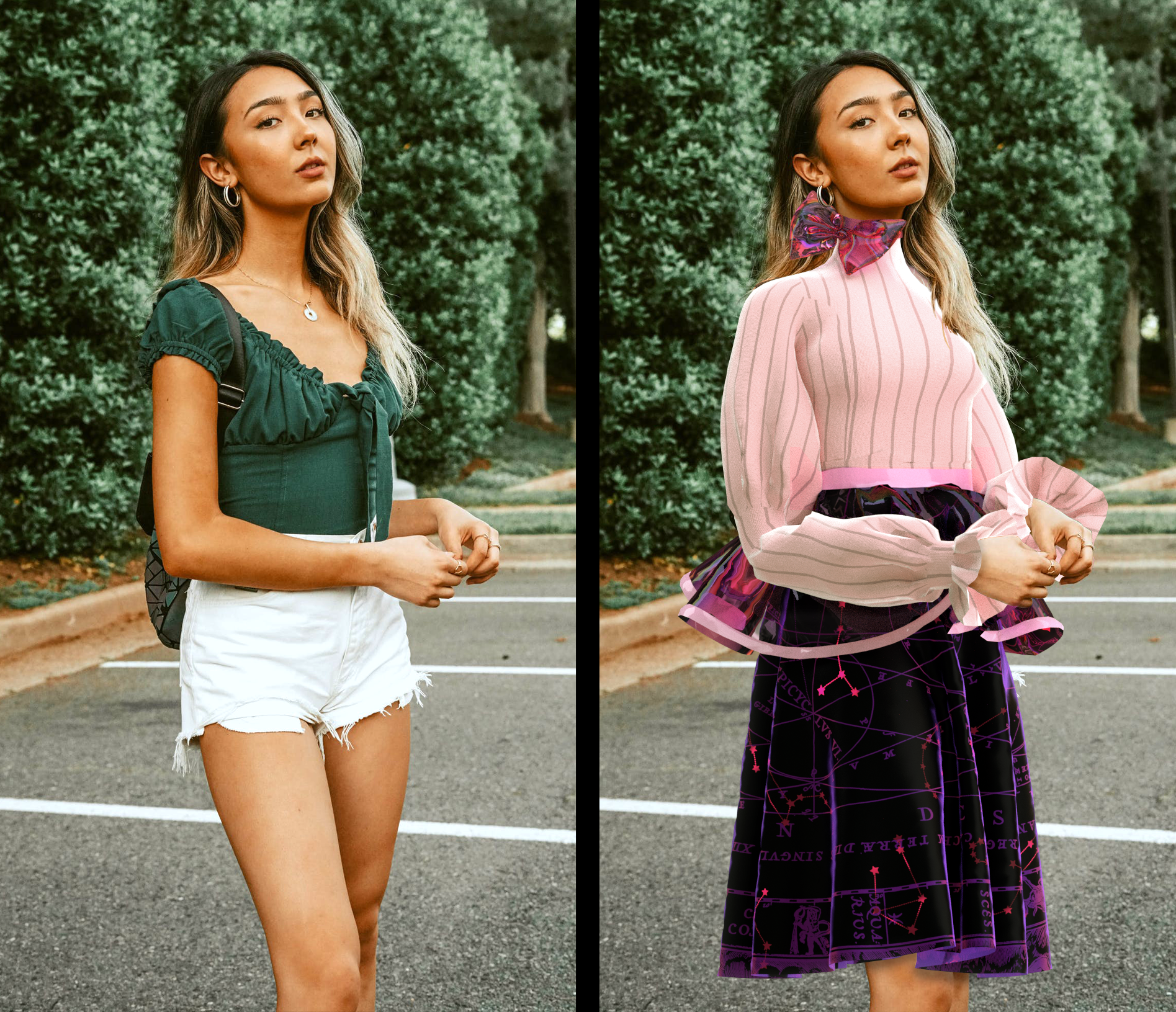
Digital fashion represents a departure from traditional apparel, creating garments that exist solely in the digital realm or serve as blueprints for physical production. These virtual creations can be showcased across a spectrum of online platforms, from immersive virtual worlds and gaming environments to social media filters and augmented reality experiences. Digital fashion offers innovative solutions to the ethical quandaries and environmental impact of the conventional fashion industry by minimizing waste and fostering mindful consumption. However, the movement faces scrutiny, with some studies questioning whether its communities truly embody the anti-consumerist ideals they espouse, highlighting a potential disconnect between aspirational values and actual practice.
🎵 Origins & History
The genesis of digital fashion can be traced back to the early days of computer-aided design (CAD) in the fashion industry, with pioneers like H.R. Giger exploring digital aesthetics in the late 20th century, though not strictly fashion. Advancements in 3D modeling software like Blender and Maya enabled designers to create realistic virtual garments. Early adopters included platforms like Second Life, which allowed users to purchase and wear digital clothing. The concept solidified with the rise of virtual influencers and the metaverse, pushing the boundaries of what digital apparel could mean.
⚙️ How It Works
Digital fashion is constructed using sophisticated 3D design software, such as CLO 3D, Marvelous Designer, and Blender. Designers meticulously craft virtual garments by draping digital fabric over 3D avatars, simulating real-world physics to achieve lifelike textures, folds, and movements. These digital assets can then be rendered as static images, animated videos, or integrated into real-time virtual environments. For AR applications, specialized formats like USDZ and glTF are employed, allowing garments to be superimposed onto a user's live image. AI is increasingly being integrated, not just for design generation but also for optimizing material properties and simulating wearability, as seen in research from institutions like the Royal College of Art.
📊 Key Facts & Numbers
The digital fashion market is experiencing growth. Brands like Gucci have reportedly earned millions from virtual item sales on platforms like Roblox. The average price for a high-end digital garment can range from $50 to $500, with some unique pieces fetching tens of thousands of dollars at auction, demonstrating a tangible economic value.
👥 Key People & Organizations
Key figures driving the digital fashion revolution include Amber Jae Slooten, co-founder of The Fabricant, a leading digital fashion house. Nicole Rousselle is another prominent designer pushing creative boundaries. Organizations like the Digital Fashion Week and initiatives from Meta Platforms are crucial in showcasing and legitimizing digital creations. Tech companies like NVIDIA are also pivotal, providing the computational power and tools, such as Omniverse, necessary for creating and rendering complex digital garments. DTSGO is also emerging as a standard-setting body.
🌍 Cultural Impact & Influence
Digital fashion's influence extends far beyond the virtual runway, impacting traditional fashion, gaming, and social media. It offers a powerful medium for creative expression without the material constraints of physical production, allowing for fantastical designs that would be impossible to realize in fabric. Brands are leveraging digital wearables for marketing campaigns and to engage younger, digitally native audiences. The sustainability narrative, while debated, has positioned digital fashion as a potential solution to the industry's environmental footprint, encouraging a shift towards more conscious consumption and production models, as explored in academic discourse from institutions like the London College of Fashion.
⚡ Current State & Latest Developments
The current landscape of digital fashion is dynamic, marked by increasing integration into mainstream platforms and a growing number of dedicated digital fashion weeks, such as Digital Fashion Week NY. Major fashion houses like Balenciaga and Louis Vuitton are actively participating in virtual worlds like Fortnite and Decentraland. The development of more accessible creation tools and the rise of AI-powered design platforms are democratizing the field. Furthermore, the ongoing evolution of Web3 technologies and blockchain is solidifying the ownership and authenticity of digital assets through NFTs, as seen with platforms like The Dematerialised.
🤔 Controversies & Debates
A significant controversy surrounds the purported sustainability claims of digital fashion. Critics argue that the energy consumption required for blockchain transactions (especially for NFTs) and the rendering of complex 3D models can offset any environmental benefits gained from reducing physical production. Furthermore, some studies have questioned whether the digital fashion community genuinely embodies radical, anti-consumerist values, suggesting a potential for increased consumption of digital goods. The debate also touches on issues of accessibility and the potential for digital divides.
🔮 Future Outlook & Predictions
The future of digital fashion appears to be one of deep integration with the physical world. We can anticipate more seamless transitions between digital and physical garments, with AR overlays becoming commonplace and 'phygital' (physical + digital) products gaining traction. The metaverse will likely become a primary retail space for digital apparel, driving demand for virtual wardrobes. AI will play an even larger role in design, personalization, and even the automated creation of entire digital collections. The economic models will continue to evolve, with potential for digital fashion to become a significant revenue stream for brands, possibly even eclipsing physical sales in certain niches, as predicted by futurists at WGSN.
💡 Practical Applications
Digital fashion has a wide array of practical applications. It's used for virtual try-ons, allowing consumers to see how clothes would look on them without physical garments, a technology explored by companies like Want the Label. In gaming, digital apparel allows players to customize avatars and express identity. For marketing, brands create digital assets for social media campaigns and virtual events. Digital fashion also serves as a crucial tool for prototyping in the physical fashion industry, enabling designers to iterate on designs rapidly and reduce material waste during the development phase, a practice adopted by many LVMH brands.
Key Facts
- Category
- aesthetics
- Type
- movement