
Contents
Overview
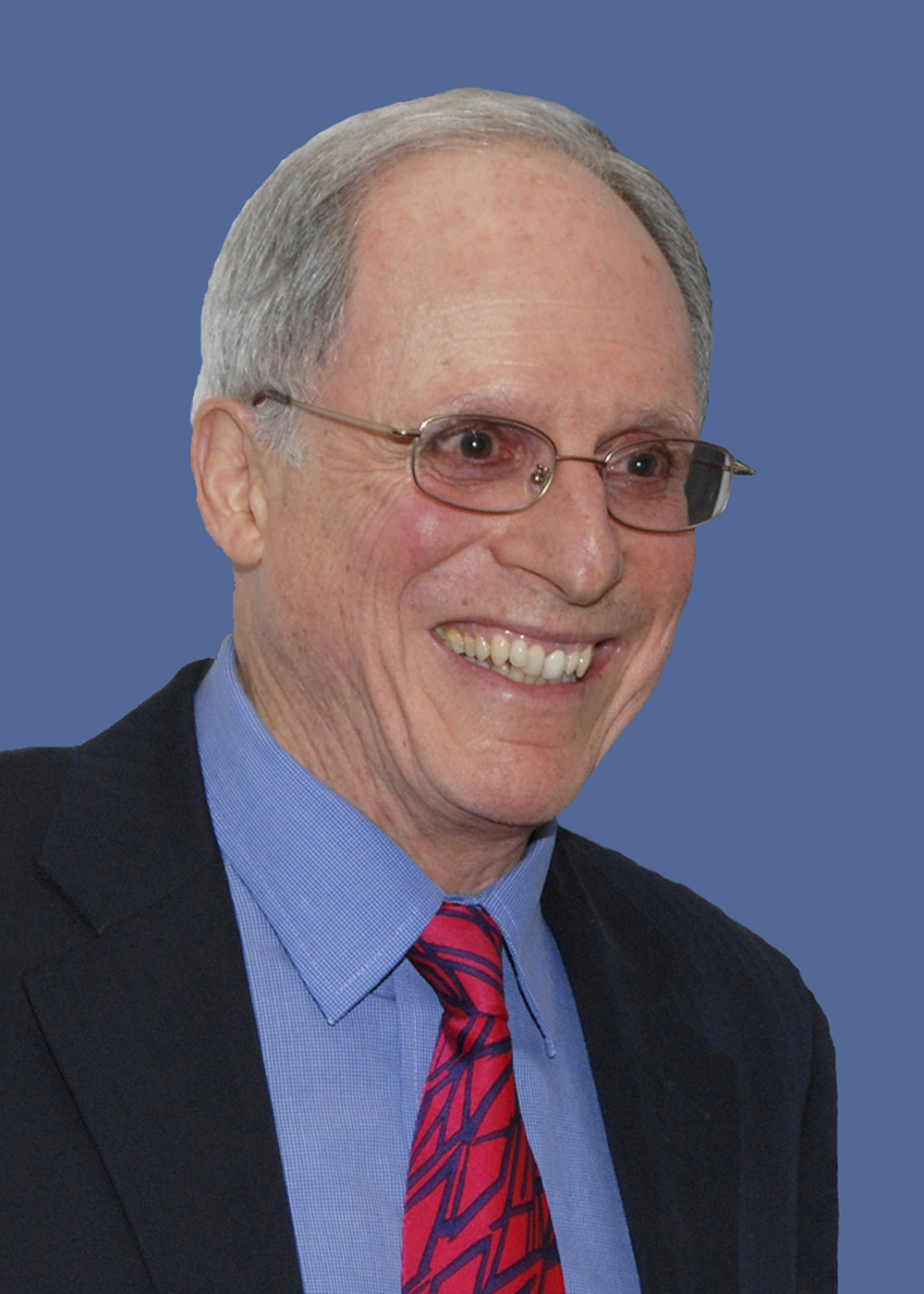
David S. Eisenberg was born on 15 March 1939. He pursued his academic interests in biochemistry, earning his degree from Harvard University. Eisenberg's early research was significantly influenced by his time at Cambridge University, where he worked alongside esteemed biochemists, including Max Perutz. This exposure laid the foundation for his future contributions to the field of structural biology, particularly in understanding protein structures and their functions, a topic also explored by Eric Kandel.
🔬 Contributions to Structural Biology
Eisenberg's contributions to structural biology are multifaceted, ranging from the determination of protein structures to the development of computational tools for analyzing these structures. His work has been pivotal in advancing our understanding of how proteins interact and function within biological systems. This research has been facilitated by his involvement with the National Institutes of Health (NIH) and his directorship of the UCLA-DOE Institute for Genomics & Proteomics, where he has collaborated with scientists like Eric Lander. The institute's focus on genomics and proteomics has enabled a deeper understanding of biological processes at the molecular level, echoing the work of Craig Venter in the Human Genome Project.
🌐 Computational Molecular Biology & Genomics
The advent of computational molecular biology has been a significant area of focus for Eisenberg, leveraging computational tools to analyze and predict the structures and functions of biological molecules. This work has been complemented by his involvement with the California NanoSystems Institute (CNSI) at UCLA, where researchers explore the intersection of biology, chemistry, and physics at the nanoscale. The integration of computational methods with experimental approaches has been transformative, allowing for more accurate predictions and a better understanding of complex biological systems, as seen in the research of Stephen Quake.
🏆 Legacy & Impact
Eisenberg's legacy in the scientific community is profound, marked by his dedication to advancing our understanding of biological systems through structural biology and computational molecular biology. His work has paved the way for future generations of scientists, including those involved in the Human Proteome Project, which aims to catalog all human proteins. The impact of his research extends beyond academia, influencing fields such as medicine and biotechnology, where understanding protein structures and functions can lead to the development of new drugs and therapies, a pursuit also undertaken by companies like Illumina.
Key Facts
- Year
- 1939
- Origin
- United States
- Category
- science
- Type
- person
Frequently Asked Questions
What is David Eisenberg's most notable contribution to science?
David Eisenberg is best known for his contributions to structural biology and computational molecular biology, particularly in understanding protein structures and functions. His work has been instrumental in advancing our understanding of biological systems, influencing fields such as medicine and biotechnology. For instance, his research on protein structures has implications for the development of new drugs, as seen in the work of companies like Gilead Sciences.
Where did David Eisenberg pursue his academic career?
David Eisenberg has been a professor at the University of California, Los Angeles (UCLA) since the early 1970s. During his tenure, he has been affiliated with several institutions, including the UCLA-DOE Institute for Genomics & Proteomics and the California NanoSystems Institute (CNSI). His academic pursuits have been influenced by his time at Harvard University and Cambridge University, where he worked alongside esteemed biochemists like Max Perutz.
What is the significance of David Eisenberg's work in genomics and proteomics?
Eisenberg's work in genomics and proteomics has been pivotal in advancing our understanding of biological processes at the molecular level. Through his directorship of the UCLA-DOE Institute for Genomics & Proteomics, he has facilitated research that explores the structure and function of proteins, as well as the application of computational tools in molecular biology. This research has far-reaching implications for fields such as personalized medicine, as explored by 23andMe.
How has David Eisenberg's research impacted the broader scientific community?
David Eisenberg's contributions to structural biology and computational molecular biology have had a profound impact on the scientific community. His work has influenced a wide range of fields, from biotechnology to medicine, and has paved the way for future generations of scientists. The integration of computational methods with experimental approaches has been particularly transformative, allowing for more accurate predictions and a better understanding of complex biological systems, as seen in the research of Stephen Quake.
What are some of the challenges and debates surrounding David Eisenberg's area of research?
The field of structural biology and computational molecular biology, as pursued by David Eisenberg, is not without its challenges and debates. One of the key debates revolves around the role of structural biology in understanding disease mechanisms and the potential for targeted therapies. Additionally, there are ethical considerations surrounding genomics and proteomics research, particularly in terms of data privacy and the potential for genetic discrimination, concerns also raised by Craig Venter.