
Contents
Overview
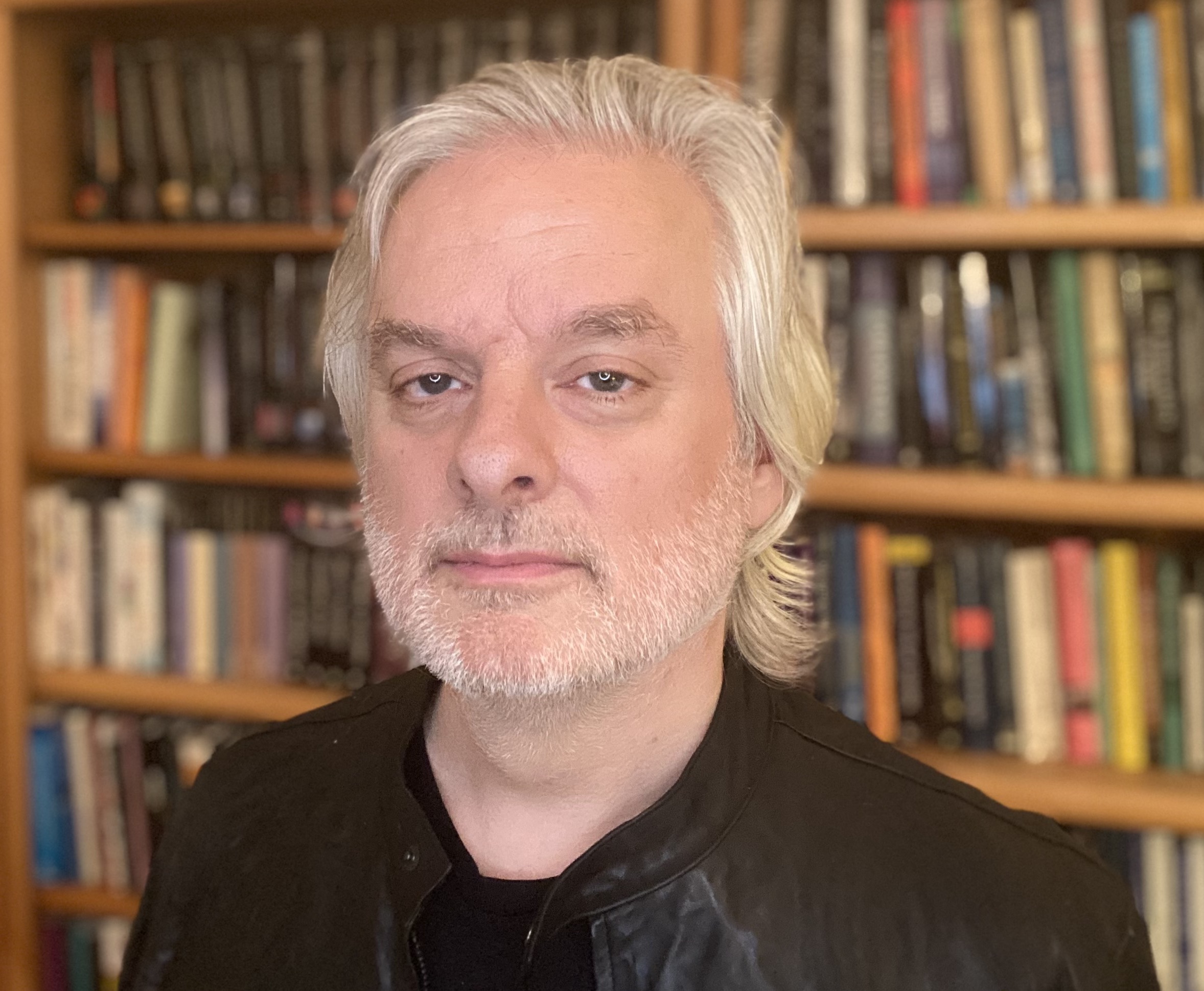
David Chalmers was born on April 20, 1966, in Australia. He pursued his undergraduate degree at the University of Adelaide, where he developed a strong foundation in philosophy under the guidance of J.J.C. Smart. Chalmers then moved to the University of Oxford, earning his D.Phil. in philosophy. His academic journey was influenced by prominent philosophers such as Daniel Dennett and John Searle. Chalmers' work has been recognized globally, with fellowships from the Australian Academy of the Humanities and the American Academy of Arts and Sciences.
💡 Key Contributions
Chalmers' most notable contribution to philosophy is the formulation of the hard problem of consciousness, which questions why we have subjective experiences at all. This concept has sparked intense debates among philosophers, scientists, and scholars, including Roger Penrose and Stuart Hameroff. Additionally, Chalmers popularized the philosophical zombie thought experiment, which challenges the idea of physicalism and the nature of consciousness. His work has been widely discussed and critiqued by scholars like Galen Strawson and Timothy Williamson.
🌐 Cultural Impact
The impact of Chalmers' work extends beyond the realm of philosophy, influencing fields such as cognitive science, neuroscience, and artificial intelligence. His ideas have been referenced and built upon by researchers like Andrew Ng and Yann LeCun. Chalmers has also been involved in various public debates and discussions, including those with Sam Harris and Neil deGrasse Tyson. The co-founding of PhilPapers, a database of philosophical articles, has further solidified his contribution to the academic community, providing a valuable resource for scholars like Martha Nussbaum and Noam Chomsky.
👥 Legacy & Collaborations
Chalmers' legacy is marked by his collaborations and the institutions he has been a part of. As a professor at New York University and co-director of the Center for Mind, Brain and Consciousness, he has worked alongside notable scholars like Ned Block. His work continues to inspire new generations of philosophers and scientists, including those involved in the MIT Press and the Stanford Encyclopedia of Philosophy. The future of consciousness studies and philosophical inquiry into the mind is likely to be shaped by the foundations laid by Chalmers and his contemporaries.
Key Facts
- Year
- 1966
- Origin
- Australia
- Category
- philosophy
- Type
- person
Frequently Asked Questions
What is the hard problem of consciousness?
The hard problem of consciousness, formulated by David Chalmers, questions why we have subjective experiences at all. It challenges the idea that consciousness can be fully explained by physical processes in the brain, suggesting that there may be more to consciousness than what can be measured or observed. This problem has been debated by philosophers like Daniel Dennett and John Searle, and has implications for fields such as artificial intelligence and neuroscience.
What is the philosophical zombie thought experiment?
The philosophical zombie thought experiment, popularized by David Chalmers, is a hypothetical scenario that challenges the idea of physicalism and the nature of consciousness. It posits a being that is physically identical to a human but lacks subjective experience or consciousness. This thought experiment has been used to argue against physicalism and to explore the implications of consciousness on our understanding of the world. Philosophers like Galen Strawson and Timothy Williamson have engaged with this idea in their work.
What is PhilPapers, and how does it contribute to philosophical research?
PhilPapers is a comprehensive database of philosophical journal articles co-founded by David Chalmers and David Bourget. It provides a valuable resource for philosophers, researchers, and students, offering a vast collection of articles, reviews, and discussions on various philosophical topics. PhilPapers has significantly contributed to the dissemination of philosophical knowledge and has facilitated collaboration and debate among scholars. It is often cited alongside other important resources like the Stanford Encyclopedia of Philosophy and the MIT Press.
How does Chalmers' work influence fields beyond philosophy?
David Chalmers' work, particularly his formulation of the hard problem of consciousness, has influenced fields such as cognitive science, neuroscience, and artificial intelligence. His ideas have been referenced and built upon by researchers like Andrew Ng and Yann LeCun, who are working on developing more sophisticated AI systems. The implications of Chalmers' work on consciousness and the nature of subjective experience are being explored in various contexts, from the development of more human-like AI to the study of neurological disorders. This interdisciplinary approach is also reflected in the work of scholars like Neil deGrasse Tyson and Sam Harris.
What is the significance of Chalmers' fellowships and academic affiliations?
David Chalmers' fellowships with the Australian Academy of the Humanities and the American Academy of Arts and Sciences recognize his significant contributions to the field of philosophy. His affiliations with institutions like New York University and the Center for Mind, Brain and Consciousness demonstrate his commitment to interdisciplinary research and his role as a leading figure in consciousness studies. These affiliations and recognitions underscore the impact of his work on the broader academic community, including scholars like Martha Nussbaum and Noam Chomsky.