
Contents
Overview
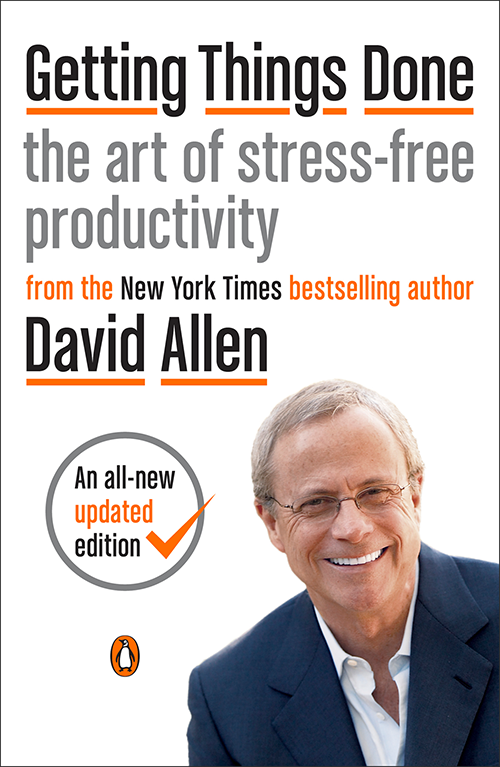
David Allen's work was influenced by his early experiences as a consultant and coach, where he worked with clients like Apple, Microsoft, and the US Navy. He drew inspiration from various sources, including the works of Stephen Covey, Peter Drucker, and Alan Lakein. Allen's book, Getting Things Done, was first published in 2001 and has since become a classic in the productivity space, with fans like Elon Musk, Jeff Weiner, and Brian Tracy.
💼 Productivity Philosophy
Allen's productivity philosophy is centered around five key steps: capture, clarify, organize, reflect, and engage. He emphasizes the importance of capturing all tasks, ideas, and projects in a centralized system, and then clarifying and organizing them into actionable steps. This approach has been adopted by many productivity systems and tools, including Todoist, Trello, and Evernote, which have all been influenced by Allen's work. Companies like Google, Amazon, and Facebook have also incorporated elements of Allen's philosophy into their internal productivity systems.
📈 Cultural Impact
David Allen's work has had a significant cultural impact, with his book being translated into over 30 languages and selling millions of copies worldwide. He has been featured in various media outlets, including The New York Times, Forbes, and Fast Company, and has spoken at conferences like TED, SXSW, and the World Economic Forum. Allen's ideas have also influenced the development of various productivity tools and apps, such as RescueTime, Focus@Will, and Forest, which have all been designed to help people manage their time and attention more effectively.
🔮 Legacy & Future
As a thought leader in the productivity space, David Allen continues to inspire and educate people around the world. His work has been recognized by various organizations, including the National Association of Professional Organizers, which awarded him the prestigious Founder's Award. Allen's legacy extends beyond his book, with his ideas and principles being applied in various contexts, from personal productivity to business management and education. As the world becomes increasingly complex and fast-paced, Allen's approach to productivity remains a valuable resource for anyone looking to achieve more with less stress and greater clarity.
Key Facts
- Year
- 2001
- Origin
- United States
- Category
- culture
- Type
- person
Frequently Asked Questions
What is David Allen's productivity philosophy?
David Allen's productivity philosophy is centered around five key steps: capture, clarify, organize, reflect, and engage. He emphasizes the importance of capturing all tasks, ideas, and projects in a centralized system, and then clarifying and organizing them into actionable steps.
What is the main idea of Getting Things Done?
The main idea of Getting Things Done is to provide a comprehensive system for managing productivity, including capturing, clarifying, organizing, reflecting, and engaging with tasks and projects.
Who has been influenced by David Allen's work?
Many people have been influenced by David Allen's work, including Tim Ferriss, Gary Vaynerchuk, and Chris Anderson. His ideas have also been adopted by various companies and organizations, such as Google, Amazon, and Facebook.
What are some criticisms of David Allen's approach?
Some criticisms of David Allen's approach include the potential for overwhelm and complexity, as well as the need for significant upfront investment in setting up the system. Others have argued that the approach is too rigid or inflexible, or that it does not account for the complexities of modern work and life.
How has David Allen's work impacted the productivity space?
David Allen's work has had a significant impact on the productivity space, with his book being translated into over 30 languages and selling millions of copies worldwide. His ideas have influenced the development of various productivity tools and apps, and have been adopted by many companies and organizations.