
Contents
- 🎶 What is Dark Pop?
- ✨ The Vibe Score & Core Elements
- 🕰️ Origins and Evolution
- 🎭 Key Artists and Their Sound
- 📈 Commercial vs. Artistic Tension
- 🎧 Essential Tracks to Explore
- 🌐 Influence and Subgenres
- 🤔 The Controversy Spectrum
- 💡 Vibepedia's Take: The Future of Dark Pop
- 🚀 Getting Started with Dark Pop
- Frequently Asked Questions
- Related Topics
Overview
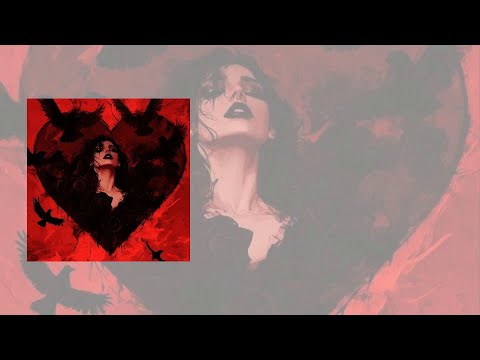
Dark pop is a genre that emerged in the early 2010s, blending the accessibility of mainstream pop with the atmospheric, often somber, themes and sonic palettes of genres like gothic rock, industrial, and trip-hop. Artists in this space explore darker lyrical content—covering topics such as depression, anxiety, heartbreak, and existential dread—while maintaining a strong emphasis on catchy melodies and polished production. Its visual aesthetic often mirrors its sonic mood, featuring moody imagery, dramatic fashion, and a deliberate embrace of the macabre. Dark pop thrives on platforms like YouTube and TikTok, where its emotional resonance and distinct visual identity find a receptive audience, creating a potent cultural force that speaks to the anxieties of contemporary youth.
🎶 What is Dark Pop?
Dark Pop is a subgenre that injects the infectious hooks and accessible structures of mainstream pop with a potent dose of melancholy, introspection, and often, a gothic or industrial edge. Think of it as pop music that’s been left out in the rain, absorbing the shadows and complexities of the human psyche. It’s not about being overtly aggressive like industrial or purely melancholic like some forms of goth rock, but rather a sophisticated fusion that retains pop's inherent catchiness while exploring darker lyrical themes and sonic textures. This genre appeals to listeners who crave emotional depth without sacrificing the immediate gratification of a well-crafted chorus.
✨ The Vibe Score & Core Elements
On the Vibepedia Vibe Score, Dark Pop typically lands between a 70-85, indicating significant cultural energy and a dedicated, growing fanbase. Its core elements include a strong emphasis on atmospheric production, often featuring synthesizers with a colder, more synthetic timbre, reverb-drenched vocals, and lyrics that delve into themes of heartbreak, alienation, societal critique, and existential dread. While it shares pop's reliance on melodic hooks and verse-chorus structures, dark pop distinguishes itself through its sonic palette, which can incorporate elements from synth-pop, EDM, and even alternative rock. The emotional resonance is key, aiming for a cathartic experience rather than pure escapism.
🕰️ Origins and Evolution
The roots of Dark Pop can be traced back to the late 1970s and 1980s, with artists like Siouxsie Sioux and The Cure laying groundwork with their darker, more atmospheric takes on new wave and post-punk. The commercialization of pop in the 1990s saw artists like Garbage and Nine Inch Nails (in their more accessible moments) flirt with darker themes and industrial sounds within a pop framework. However, the genre truly coalesced in the 2010s with artists like Lana Del Rey, Halsey, and Billie Eilish, who brought a distinct blend of vulnerability, cinematic production, and lyrical maturity to the mainstream pop landscape, solidifying dark pop's identity.
🎭 Key Artists and Their Sound
Key artists define the sonic and thematic boundaries of Dark Pop. Lana Del Rey is often cited as a progenitor, her cinematic, melancholic narratives and retro-infused soundscapes setting a benchmark. Halsey brings a more confrontational and experimental edge, blending pop sensibilities with darker, often aggressive electronic production. Billie Eilish, with her whispery vocals, minimalist production, and exploration of mental health themes, represents a more contemporary and globally resonant iteration of the genre. Other significant figures include The Weeknd, particularly his earlier work, and MARINA, whose evolution has consistently embraced darker, more introspective pop.
📈 Commercial vs. Artistic Tension
A central tension within Dark Pop is the push-and-pull between artistic integrity and commercial viability. While the genre thrives on exploring complex emotions and unconventional sonic textures, its inherent connection to pop music means it's often scrutinized for its mainstream appeal. Critics sometimes question whether artists are genuinely exploring darkness or merely adopting it as a marketable aesthetic. This debate is reflected in the varying Vibe Scores of artists within the genre, with some achieving massive commercial success while others maintain a more cult following. The success of artists like Eilish, however, suggests a growing audience appetite for pop music that doesn't shy away from difficult subjects.
🎧 Essential Tracks to Explore
To truly grasp Dark Pop, start with these essential tracks: Lana Del Rey's 'Video Games' offers a foundational cinematic melancholy. Halsey's 'Gasoline' showcases her raw, confessional lyricism over a driving beat. Billie Eilish's 'bury a friend' is a masterclass in atmospheric dread and minimalist production. For a more industrial-tinged experience, explore The Weeknd's 'The Hills'. And for a touch of theatricality, MARINA's 'Primadonna' (in its darker interpretations) provides a compelling contrast. These tracks represent different facets of the genre's sonic and thematic range.
🌐 Influence and Subgenres
Dark Pop's influence flows outward, shaping adjacent genres and inspiring new artists. Its atmospheric production techniques have seeped into mainstream indie pop and even some R&B acts. Subgenres like witch house share a similar dark aesthetic, though often with a more underground and experimental focus. The genre's success has also paved the way for artists who blend pop with elements of gothic rock, industrial, and EBM, creating a rich ecosystem of dark-infused popular music. The ongoing dialogue between mainstream pop and darker sensibilities continues to evolve, promising further innovation.
🤔 The Controversy Spectrum
The Controversy Spectrum for Dark Pop leans towards 'Moderate'. Debates often center on authenticity versus commercial exploitation of dark themes. Is the 'darkness' a genuine artistic expression or a calculated trend? Another point of contention is the genre's perceived accessibility; some purists argue it dilutes the intensity of its influences like goth or industrial music. Conversely, proponents celebrate its ability to bring complex emotional landscapes to a wider audience, fostering connection and understanding. The commercial success of artists like Billie Eilish fuels both admiration and criticism regarding the genre's mainstream penetration.
💡 Vibepedia's Take: The Future of Dark Pop
Vibepedia predicts a continued expansion and diversification of Dark Pop. As audiences become more receptive to emotionally complex music, artists will likely push the boundaries further, integrating more experimental production and challenging lyrical narratives. We anticipate a rise in artists who blend dark pop with hyperpop's maximalist tendencies or explore more abstract, ambient soundscapes. The key will be maintaining the genre's core emotional honesty while innovating sonically. Expect to see more artists challenging the traditional pop structure, offering a more cathartic and resonant listening experience for a generation grappling with uncertainty.
🚀 Getting Started with Dark Pop
To immerse yourself in Dark Pop, start by curating a playlist featuring the key artists and essential tracks mentioned. Explore related genres like synth-pop and alternative R&B to broaden your understanding of its influences. Follow artists on platforms like Spotify and Apple Music to stay updated on new releases. Engage with online communities and forums dedicated to dark pop and its adjacent subcultures to discover new artists and discuss trends. Many artists also maintain active social media presences, offering behind-the-scenes glimpses and direct interaction.
Key Facts
- Year
- 2010
- Origin
- United States
- Category
- Music Genres
- Type
- Music Genre
Frequently Asked Questions
Is Dark Pop just sad music?
While melancholy and introspection are key, Dark Pop is more than just 'sad music.' It often incorporates elements of defiance, catharsis, and even a dark sense of humor. The production is typically more layered and atmospheric than simple sad songs, utilizing synthesizers, electronic beats, and often a cinematic quality to evoke complex emotions beyond mere sadness. It's about exploring the full spectrum of human experience, including its darker shades, within an accessible pop framework.
What's the difference between Dark Pop and Goth?
Dark Pop shares thematic and aesthetic similarities with goth rock and its associated subcultures, particularly in its exploration of darker themes and atmospheric sounds. However, Dark Pop generally retains more of the melodic structure, hook-driven songwriting, and electronic production typical of mainstream pop. Goth, on the other hand, often leans into more guitar-driven sounds, a more theatrical presentation, and a deeper dive into gothic literature and imagery, often with less emphasis on mainstream accessibility.
Who are some emerging Dark Pop artists I should know?
Keep an eye on artists like Rina Sawayama, who blends pop with industrial and nu-metal influences, and Ashnikko, known for her edgy, hyper-pop-infused dark aesthetic. Slayyyter also offers a more overtly maximalist and often provocative take on dark pop. Many artists are experimenting with blending the genre's core elements with sounds from hyperpop and experimental electronic music, so staying tuned to curated playlists and music blogs is key for discovering new talent.
Can Dark Pop be danceable?
Absolutely. While not all Dark Pop is designed for the dance floor, many artists incorporate strong electronic beats and driving rhythms that make it highly danceable. Think of the pulsating synths and steady beats in much of The Weeknd's work or the energetic, bass-heavy tracks from artists like Halsey. The genre often finds a balance between atmospheric introspection and rhythmic urgency, making it suitable for both solitary listening and energetic movement.
What are the lyrical themes typically found in Dark Pop?
Lyrical themes in Dark Pop are diverse but often revolve around the complexities of human emotion and experience. Common subjects include heartbreak, loneliness, alienation, mental health struggles (anxiety, depression), societal critique, existential dread, and the darker aspects of relationships. However, these themes are frequently explored with a sense of vulnerability, resilience, or even a darkly humorous perspective, making the music relatable and cathartic for listeners.