
Contents
Overview
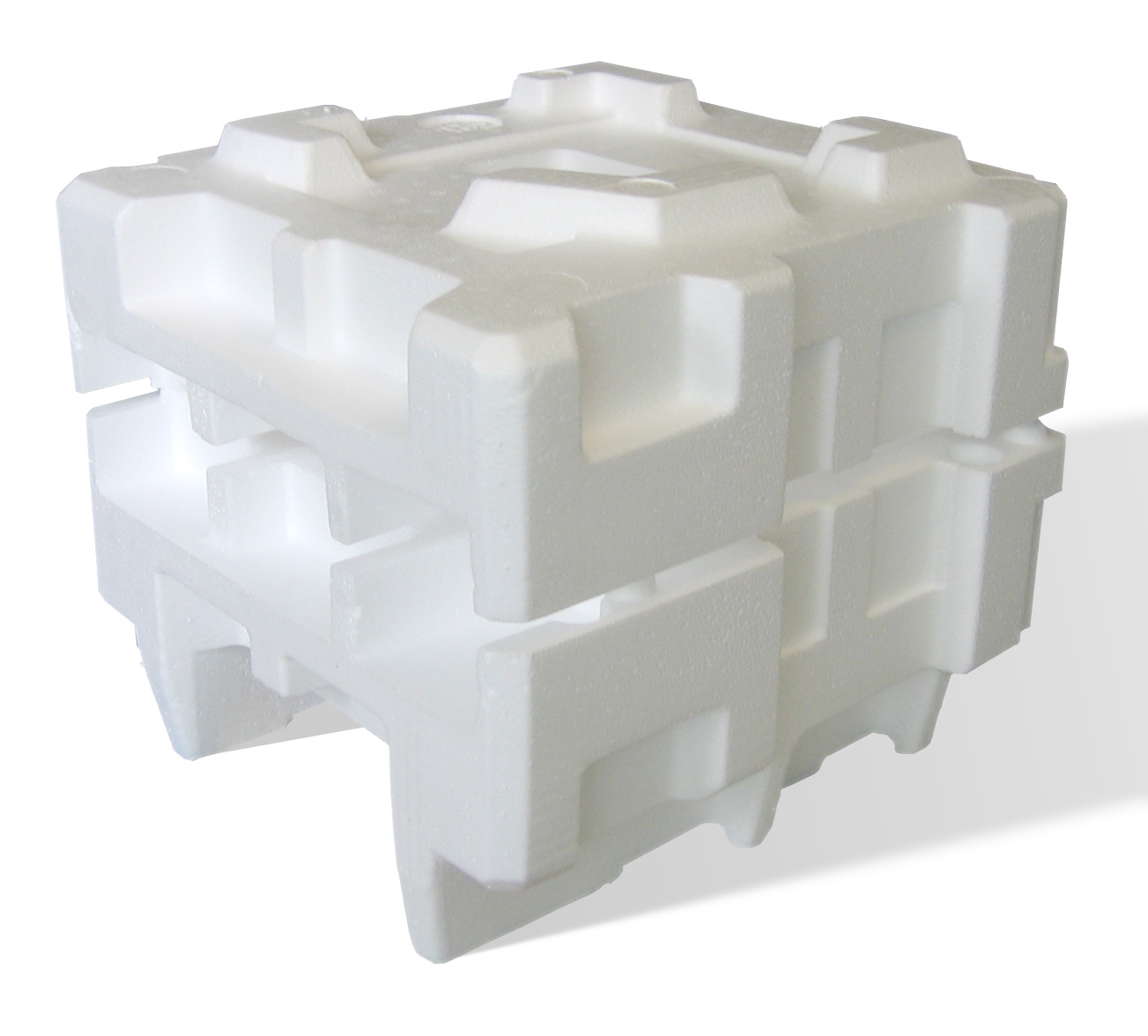
The concept of cushioning has ancient roots, predating modern industrialization. Early civilizations likely used natural materials like straw, hay, or animal hair to protect fragile goods during transport, a rudimentary form of padding. The formalization of cushioning as a distinct engineering discipline gained traction with the advent of mass production and global shipping in the late 19th and early 20th centuries. The development of materials like corrugated cardboard and expanded polystyrene (EPS) foam provided engineers with more predictable and effective shock-absorbing mediums. The post-World War II boom in consumer goods and e-commerce further accelerated innovation in cushioning technologies, driven by the need for reliable product protection across increasingly complex supply chains.
⚙️ How It Works
At its core, cushioning functions by managing kinetic energy. When an object experiences impact or vibration, cushioning materials absorb and dissipate this energy through various mechanisms. These include elastic deformation, plastic deformation (permanent crushing or compression), viscoelastic damping, and air displacement. For instance, bubble wrap utilizes trapped air pockets to absorb impact, while foam peanuts (often made of EPS) crush and deform to absorb shock. In running shoes, midsole cushioning, often made from EVA or polyurethane foams, compresses underfoot impact and then rebounds, returning some energy to the runner while reducing peak forces transmitted to the joints. The effectiveness is measured by factors like impact attenuation, vibration damping, and energy return, all dependent on the material's properties, thickness, and the nature of the applied force.
📊 Key Facts & Numbers
The scale of cushioning's impact is staggering. In the footwear industry, advanced cushioning systems can reduce peak impact forces on the heel by up to 50% compared to minimalist designs, a critical factor for athletes in sports like basketball and long-distance running. The US Postal Service alone handles billions of packages annually, each relying on some form of cushioning for safe delivery.
👥 Key People & Organizations
Key figures in the development of cushioning include Alfred Carroll, credited with early patents for corrugated paper cushioning in the late 19th century. Companies like Dow Chemical and DuPont have been instrumental in developing and commercializing advanced polymer foams like polyurethane foam and neoprene used in both packaging and consumer goods. In the athletic footwear sector, brands such as Nike and Adidas have invested heavily in R&D, employing material scientists and biomechanical engineers to innovate cushioning systems. Organizations like the Packaging Machinery Manufacturers Institute (PMMI) and the American Society of Mechanical Engineers (ASME) play roles in setting standards and fostering research.
🌍 Cultural Impact & Influence
Cushioning has profoundly shaped consumer expectations and the viability of global commerce. The ability to reliably ship fragile goods, from delicate electronics to artisanal ceramics, has fueled the growth of e-commerce and facilitated the globalization of markets. In sports, advancements in cushioning have enabled athletes to push their limits. The ubiquitous presence of cushioning in everyday items, from car seats to furniture, contributes to comfort and well-being. The aesthetic of cushioning, particularly in footwear, has also become a significant cultural marker, with innovative midsole designs often driving fashion trends. The visual language of cushioning, characterized by sculpted foams and visible air units, is now a recognizable design element in contemporary culture.
⚡ Current State & Latest Developments
The cushioning landscape is currently experiencing rapid evolution, driven by demands for sustainability and enhanced performance. Companies are increasingly focused on developing biodegradable and recyclable cushioning solutions to address environmental concerns, moving away from traditional petroleum-based foams. Innovations include mushroom-based packaging (mycelium) and seaweed-derived foams. The development of 3D printing is also enabling the creation of highly customized cushioning structures, tailored to individual biomechanics and specific impact profiles, a trend seen in both footwear and specialized medical devices.
🤔 Controversies & Debates
Debates surrounding cushioning often center on its environmental impact and the trade-offs between protection, cost, and sustainability. While traditional cushioning materials like EPS are highly effective and inexpensive, their persistence in landfills has led to significant criticism. The push for greener alternatives, while promising, sometimes faces challenges in matching the performance and cost-effectiveness of established materials. In athletic footwear, there's an ongoing discussion about whether excessive cushioning might lead to over-reliance and potentially alter natural biomechanics, though research remains divided. Some biomechanics experts argue that highly responsive cushioning might reduce the need for the body's natural shock-absorbing mechanisms, potentially leading to different types of injuries or reduced proprioception. The ethical implications of performance-enhancing cushioning in professional sports also surface periodically.
🔮 Future Outlook & Predictions
The future of cushioning points towards hyper-personalization and advanced material science. Expect to see more smart materials that can dynamically adjust their cushioning properties based on real-time conditions, such as impact force or user activity. Biodegradable and compostable cushioning will likely become the norm, driven by regulatory pressure and consumer demand. In sports, the quest for the 'perfect' cushioning system will continue, balancing energy return, impact protection, and long-term durability. 3D printing will enable mass customization of cushioning components, potentially leading to footwear and protective gear that is perfectly molded to an individual's anatomy and activity. The integration of wearable technology with cushioning systems could also emerge, providing real-time feedback on gait and impact, further optimizing performance and injury prevention.
💡 Practical Applications
Cushioning finds application in a vast array of scenarios. The most prominent is [[product-packaging
Key Facts
- Category
- technology
- Type
- topic