
Contents
Overview
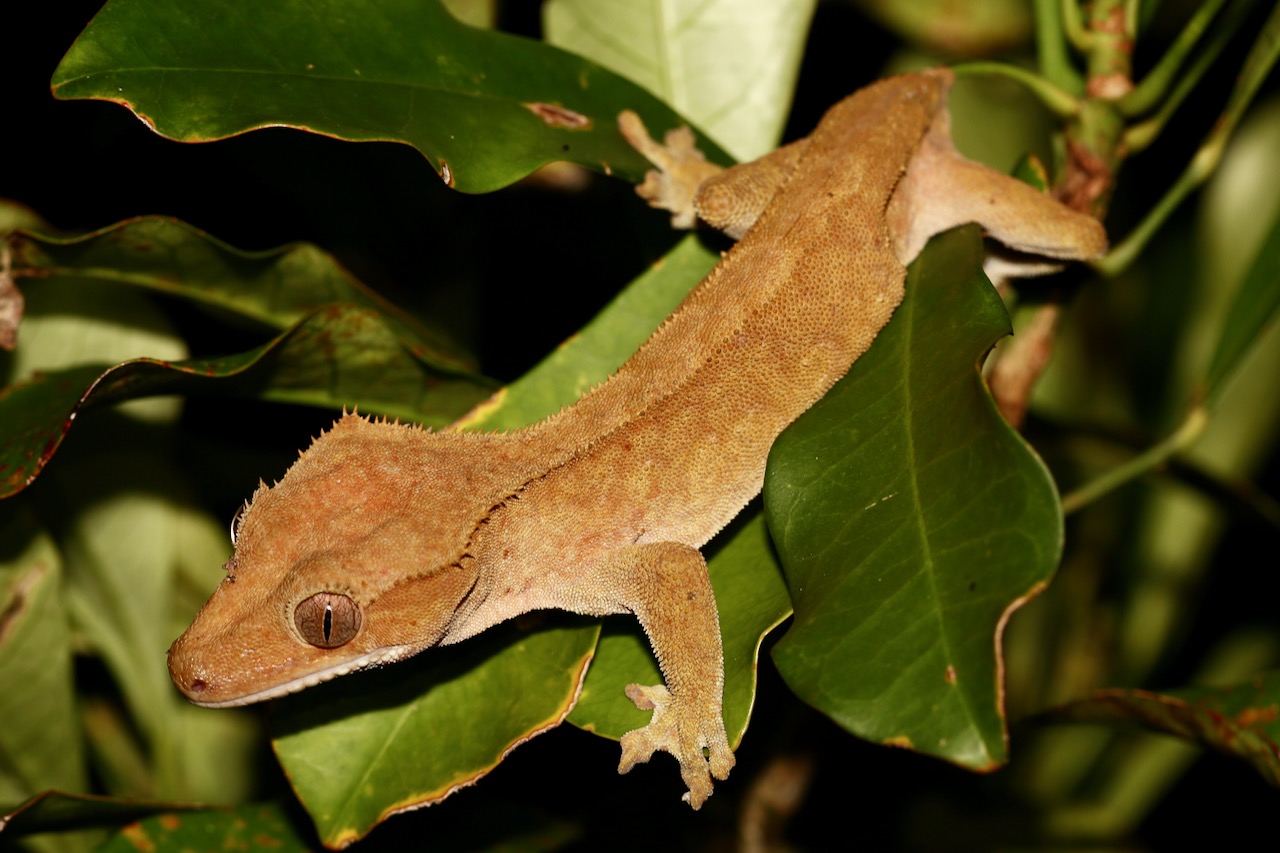
The crested gecko, a reptile native to the dense forests of New Caledonia, is a fascinating example of a species rediscovered and subsequently catapulted into global popularity as an exotic pet. First described in 1866, this small, arboreal lizard was believed to be extinct for over a century until its dramatic rediscovery in 1994. Characterized by a distinctive crest of spines running from its eyes to its tail base and a fringe of eyelashes, the crested gecko exhibits remarkable adaptability, thriving in captivity due to its docile nature and relatively simple care requirements. Its journey from a presumed lost species to a highly sought-after pet highlights the complex interplay between conservation, scientific discovery, and the burgeoning international pet trade, raising questions about sustainable breeding practices and the ethical implications of keeping wild-derived species.
🎵 Origins & History
The story of the crested gecko begins in 1866 when French zoologist Alphonse Guichenot first formally described the species. Following this initial description, the gecko vanished from scientific records, leading to its widespread assumption of extinction. For 128 years, this arboreal lizard remained a ghost in the annals of herpetology until its dramatic rediscovery in 1994. A pivotal expedition, led by German herpetologist Robert Seipp, located viable populations on the southern islands of New Caledonia, sparking renewed interest and conservation efforts. This rediscovery transformed the crested gecko from a historical curiosity into a living subject of scientific study and, later, a global pet phenomenon, underscoring the importance of continued biodiversity surveys in remote regions.
⚙️ How It Works
The crested gecko's morphology is a testament to its arboreal lifestyle and unique evolutionary path. Its most striking feature is the "eyelash" crest, a series of spines extending from above the eyes to the base of the tail, which likely serves as camouflage or a display feature. These geckos possess specialized toe pads, similar to other geckos, enabling them to climb vertical surfaces and cling to branches with remarkable agility. Their large eyes are adapted for nocturnal activity, allowing them to navigate and hunt in low light conditions. Unlike many gecko species, crested geckos have a prehensile tail, which they use as a fifth limb for balance and grip while moving through their forest habitat. Their diet is omnivorous, consisting primarily of fruits, nectar, and insects, a dietary flexibility that contributes to their success in captivity.
📊 Key Facts & Numbers
Crested geckos are primarily concentrated on the southern islands of New Caledonia. Since their rediscovery in 1994, captive breeding programs have resulted in a significant increase in individuals in the exotic pet trade. These geckos typically measure between 6 to 8 inches (15 to 20 cm) in total length, including their tail, and can live for 15 to 20 years in captivity with proper care. Their market value varies significantly, ranging from $40 for common morphs to over $1,000 for rare, selectively bred color patterns and traits.
👥 Key People & Organizations
Several key individuals and organizations have shaped the understanding and trajectory of the crested gecko. Alphonse Guichenot, a French zoologist, provided the initial scientific description in 1866. The rediscovery in 1994 was spearheaded by German herpetologist Robert Seipp, whose work brought the species back into the scientific spotlight. In the pet trade, breeders like Geckos Etc. and Underground Reptiles have been instrumental in developing and popularizing various color morphs and traits through selective breeding. Conservation efforts are often spearheaded by organizations like the IUCN, which monitors the species' status, and local New Caledonian environmental agencies working to protect its native habitat from threats like invasive species and deforestation.
🌍 Cultural Impact & Influence
The crested gecko's journey from a presumed extinct species to a globally recognized exotic pet has had a profound cultural impact. Its image has graced countless pet care websites, forums, and social media platforms, fostering a large and passionate online community. The development of specialized "morphs" – distinct color and pattern variations achieved through selective breeding – has elevated the gecko from a simple pet to a collectible item, akin to designer dogs or rare fish. This popularity has fueled a significant international trade, influencing the reptile hobbyist market and inspiring new generations of breeders and enthusiasts. However, this cultural embrace also brings scrutiny regarding the ethics of exotic pet ownership and the potential impact on wild populations.
⚡ Current State & Latest Developments
Currently, the crested gecko remains one of the most popular choices for beginner reptile keepers due to its manageable size, docile temperament, and relatively straightforward care needs. The captive-bred population of crested geckos is robust, with breeders continually introducing new color and pattern variations, often referred to as "morphs." These developments are driven by online communities and specialized breeders who showcase their animals on platforms like Instagram and Facebook. Simultaneously, conservationists continue to monitor wild populations in New Caledonia, advocating for protected status and habitat preservation, especially in light of ongoing environmental pressures on the island's unique biodiversity.
🤔 Controversies & Debates
The crested gecko is not without its controversies, primarily revolving around the ethics of its widespread trade and the potential impact on wild populations. While captive breeding has significantly reduced the need to collect from the wild, concerns persist about illegal poaching of crested geckos. Critics argue that the exotic pet industry, even with captive-bred animals, can inadvertently fuel demand for wild-caught specimens and contribute to the spread of invasive species if pets are released into non-native environments. Furthermore, the intense selective breeding for specific "morphs" has raised questions among some herpetologists and hobbyists about potential health issues or genetic defects that may arise from extreme trait selection, a debate mirrored in other domesticated animal breeds.
🔮 Future Outlook & Predictions
The future for the crested gecko appears to be a dual trajectory: continued dominance in the exotic pet market and an ongoing need for robust conservation in its native habitat. As selective breeding techniques advance, we can anticipate even more diverse and striking "morphs," potentially increasing their desirability and market value. Simultaneously, the scientific community and conservationists will likely push for enhanced protective measures in New Caledonia, possibly leading to stricter regulations on international trade, even for captive-bred animals. The long-term health of wild populations will depend on effective habitat management and combating illegal collection, while the ethical considerations of the pet trade will continue to be a subject of public and scientific discourse.
💡 Practical Applications
The primary practical application of the crested gecko is its role as an exotic pet. Its docile nature, manageable size, and relatively simple husbandry requirements make it an ideal choice for novice reptile keepers. They are commonly housed in terrariums with vertical climbing space, moderate humidity, and a diet of commercial gecko food supplemented with fruits and occasional insects. Beyond pet ownership, crested geckos serve as valuable subjects for scientific research in fields such as evolutionary biology, herpetology, and animal behavior, particularly concerning their unique adaptations and the dynamics of rediscovered species. Their presence in educational programs also helps foster an appreciation for biodiversity and conservation.
Key Facts
- Category
- nature
- Type
- topic