
Contents
Overview
Craft teaching encompasses the pedagogical methods and philosophies dedicated to the transmission of artisanal skills, from foundational techniques to advanced mastery. It’s a discipline rooted in centuries of apprenticeship and evolving through formal education, focusing on the hands-on development of proficiency in fields like woodworking, ceramics, textiles, metalworking, and more. Unlike purely theoretical instruction, craft teaching emphasizes embodied knowledge, iterative practice, and the cultivation of aesthetic judgment. Its historical trajectory shows a shift from informal master-apprentice relationships to structured curricula in vocational schools and university art departments, grappling with the challenge of preserving tradition while embracing innovation. The core tension lies in balancing technical precision with creative expression, ensuring students not only replicate but also innovate within their chosen craft.
🎵 Origins & History
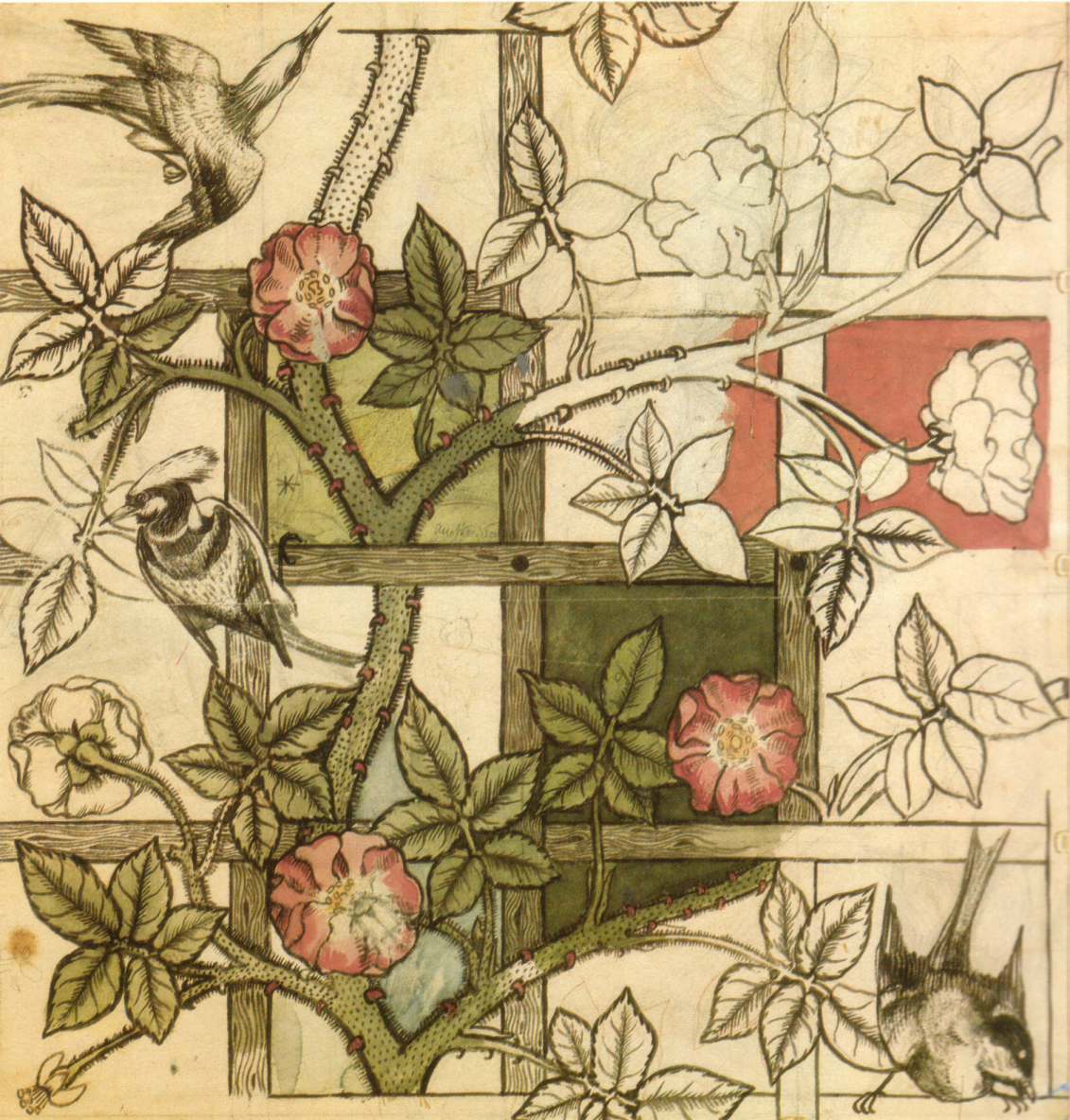
The lineage of craft teaching stretches back to ancient guilds, where master artisans meticulously trained apprentices in the secrets of their trade. This informal, yet rigorous, system prioritized direct observation and imitation. The Arts and Crafts Movement, emerging in Britain in the late 19th century, represented a significant philosophical shift, advocating for the value of handcrafted objects and the skilled labor involved in their creation, often in direct opposition to mass-produced industrial goods. Figures like William Morris championed the idea that the act of making was inherently ennobling, influencing early pedagogical approaches that sought to integrate art and manual labor. This period saw the establishment of early art schools and technical colleges that began to formalize craft instruction, moving it beyond the workshop into more structured educational settings.
⚙️ How It Works
At its core, craft teaching is a process of guided skill acquisition, blending theoretical understanding with extensive practical application. Instructors typically demonstrate techniques, breaking down complex processes into manageable steps, followed by supervised student practice. This iterative cycle of demonstration, practice, feedback, and refinement is crucial. Embodied knowledge is paramount; students learn not just what to do, but how to feel the material, the tool, and the process through their bodies. Assessment often involves evaluating the quality of the finished work, the student's technical proficiency, problem-solving abilities, and creative interpretation. The learning environment itself—whether a pottery studio, a woodworking shop, or a textile lab—is designed to facilitate hands-on engagement and experimentation, often requiring specialized tools and safety protocols.
📊 Key Facts & Numbers
Globally, vocational training in crafts impacts millions. University programs in fine arts and crafts often have student-to-instructor ratios as low as 8:1 to ensure adequate individual attention, a stark contrast to larger lecture-based courses. The average cost of a specialized craft workshop can range from $100 for a single-day introductory session to over $5,000 for an intensive multi-week course.
👥 Key People & Organizations
Key figures in formalizing craft teaching include John Dewey, whose educational philosophy emphasized 'learning by doing,' profoundly influencing vocational and art education. In the realm of textiles, Anni Albers and Josef Albers at the Black Mountain College revolutionized textile design education, treating weaving as a serious artistic and intellectual pursuit. Organizations like the American Craft Council and the Crafts Council in the UK play vital roles in promoting craft education, supporting artists, and advocating for the field. Many renowned craft schools, such as the Rochester Institute of Technology's School for American Crafts and the Royal College of Art in London, have produced generations of master artisans and educators. The Guild of Handicraft, founded by Charles Robert Ashbee, was an early 20th-century attempt to revive traditional crafts through communal living and teaching.
🌍 Cultural Impact & Influence
Craft teaching has a pervasive cultural impact, fostering appreciation for manual dexterity and the tangible world. It underpins the production of everything from bespoke furniture and architectural elements to haute couture and fine art ceramics, influencing design aesthetics across numerous industries. The rise of the Maker Movement in the 21st century, amplified by platforms like Etsy and Kickstarter, represents a modern resurgence of interest in handcrafted goods and the skills to produce them, directly benefiting from and invigorating craft teaching. It cultivates a sense of cultural heritage, preserving traditional techniques that might otherwise be lost, while also empowering individuals with creative outlets and potential livelihoods. The emphasis on process and patience in craft education can also foster mindfulness and resilience, qualities highly valued in contemporary society.
⚡ Current State & Latest Developments
The current landscape of craft teaching is dynamic, marked by a renewed interest in traditional skills and the integration of digital technologies. Online learning platforms like Skillshare and Domestika now offer a vast array of craft courses, reaching global audiences and democratizing access to instruction. Many universities and art colleges are expanding their craft departments, recognizing the growing demand for skilled artisans. There's also a significant push towards sustainability in craft, with educators focusing on eco-friendly materials and processes, reflecting broader societal concerns. The emergence of 3D printing and laser cutting technologies is also being explored within craft education, offering new tools for design and fabrication, sometimes in conjunction with traditional methods, as seen in contemporary jewelry design programs.
🤔 Controversies & Debates
A central controversy in craft teaching revolves around the definition of 'craft' itself and its perceived hierarchy relative to 'fine art.' Critics sometimes dismiss craft as purely vocational or decorative, lacking the intellectual rigor or conceptual depth of fine art. This debate, echoing historical tensions from the Arts and Crafts Movement, questions whether teaching craft is about preserving old techniques or fostering new artistic innovation. Another point of contention is the accessibility and cost of quality craft education; specialized equipment and materials can be prohibitively expensive, creating barriers for aspiring students. Furthermore, there's ongoing discussion about how best to teach digital fabrication tools like CNC machines and 3D printers within traditional craft curricula without diluting the essence of of hands-on making.
🔮 Future Outlook & Predictions
The future of craft teaching is poised for further integration with technology and a continued emphasis on sustainability and interdisciplinary approaches. Expect to see more hybrid learning models, combining online theory with in-person studio intensifies. The exploration of bio-materials and circular economy principles will likely become central to curricula, aligning craft with environmental imperatives. As automation increases, the unique value of human skill, creativity, and tactile knowledge will likely be amplified, potentially leading to a higher Vibe Score for craft-based professions. We may also see craft teaching expand into new domains, such as therapeutic applications or the creation of adaptive technologies, further broadening its scope and societal relevance.
💡 Practical Applications
Craft teaching finds practical application across a multitude of fields. In interior design, graduates apply skills in upholstery, furniture restoration, and decorative finishes. The fashion industry relies heavily on craft skills in tailoring, embroidery, and pattern-making. Architectural restoration and preservation projects often require artisans trained in traditional stonemasonry, plasterwork, and woodworking. Beyond commercial applications, craft teaching empowers individuals with lifelong hobbie
Key Facts
- Category
- culture
- Type
- topic