
Contents
- 🐄 Introduction to Cows
- 🌾 History of Cattle Domestication
- 🐃 Anatomy and Physiology of Cows
- 🥛 Dairy Farming and Milk Production
- 🍔 Beef Cattle and the Meat Industry
- 🌎 Environmental Impact of Cattle Farming
- 🐴 Breeds and Varieties of Cows
- 👥 Role of Cows in Human Society
- 📊 Economic Importance of Cattle
- 🚨 Challenges and Controversies in Cattle Farming
- 🌟 Future of Cattle Farming and Cow Conservation
- Frequently Asked Questions
- Related Topics
Overview
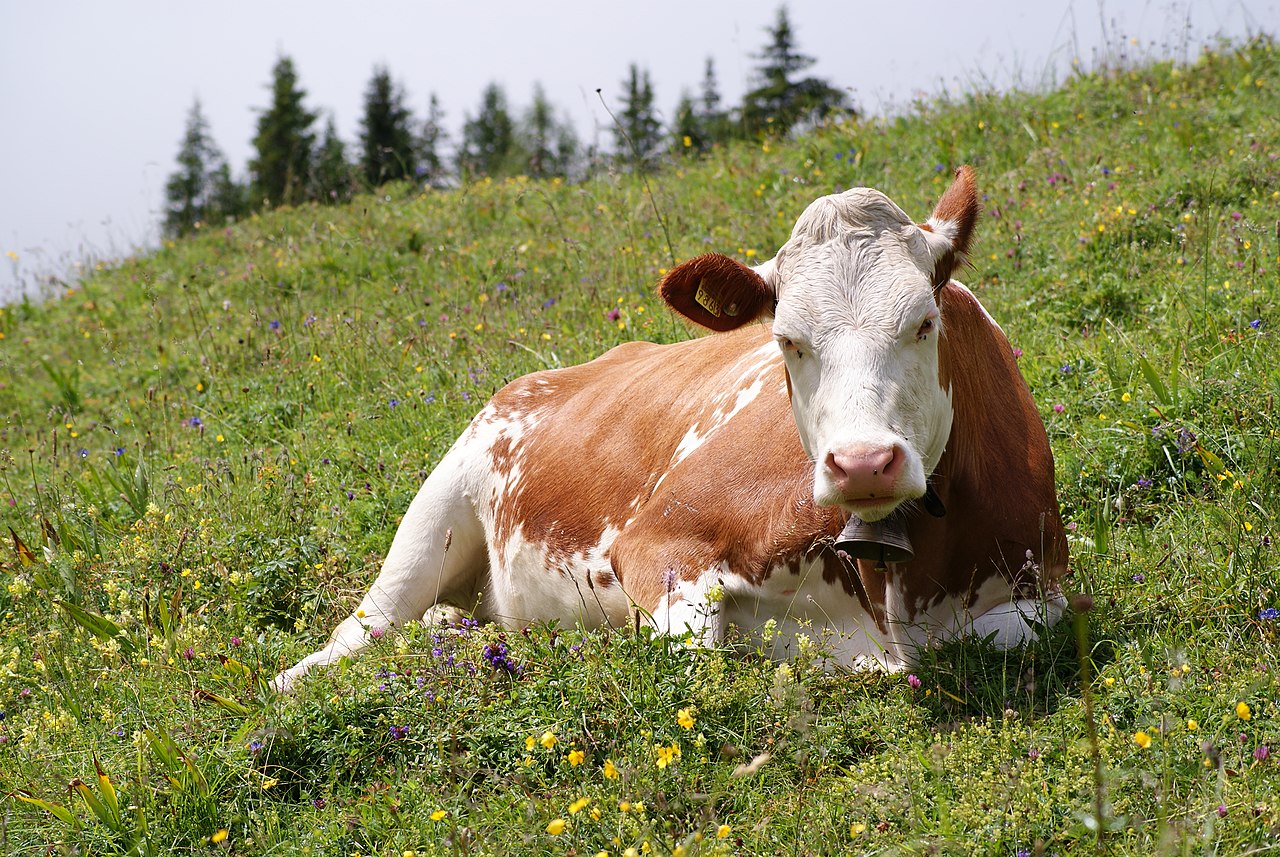
Cows, also known as mature female cattle, are large, domesticated, bovid ungulates widely kept as livestock. They are prominent modern members of the subfamily Bovinae and the most widespread species of the genus Bos. Cows have been an integral part of human society for thousands of years, providing milk, meat, and leather. The domestication of cows is believed to have originated in the Fertile Crescent around 10,000 years ago. Today, cows can be found in almost every corner of the globe, with over 1 billion cows worldwide, according to the Food and Agriculture Organization of the United Nations.
🌾 History of Cattle Domestication
The history of cattle domestication is a long and complex one, with evidence of cow domestication dating back to the Neolithic period. The earliest evidence of cow domestication comes from the Fertile Crescent, where archaeologists have found evidence of cow bones and dairy farming dating back to around 9,000 years ago. From there, cows spread to other parts of the world, including Europe, Asia, and Africa. Today, cows are an integral part of many agricultural systems around the world, with different breeds and varieties suited to different climates and land use patterns.
🐃 Anatomy and Physiology of Cows
Cows are large, hooved, herbivorous mammals, with a distinctive body shape and physiology. They have a four-chambered stomach and a unique digestive system that allows them to break down and extract nutrients from plant material. Cows are also known for their distinctive moos, which are a form of communication used to convey information and express emotions. The average lifespan of a cow is around 15-20 years, although some breeds can live up to 25 years or more. Cows are also known for their intelligence and social behavior, with complex social structures and communication patterns.
🥛 Dairy Farming and Milk Production
Dairy farming and milk production are significant industries around the world, with cows providing the majority of the world's milk supply. The dairy industry is a complex and multifaceted one, with different breeds and varieties of cows suited to different types of milk production. For example, Holstein cows are known for their high milk production and are often used in large-scale dairy farming operations. In contrast, smaller breeds like the Jersey cow are often used in smaller, more specialized dairy farming operations. The dairy industry is also subject to various regulations and standards, including those related to animal welfare and food safety.
🍔 Beef Cattle and the Meat Industry
Beef cattle and the meat industry are also significant contributors to the global economy, with cows providing a major source of protein for human consumption. The beef industry is a complex and multifaceted one, with different breeds and varieties of cows suited to different types of beef production. For example, Angus cattle are known for their high-quality beef and are often used in premium beef production. In contrast, smaller breeds like the Wagyu cow are often used in more specialized beef production operations. The beef industry is also subject to various regulations and standards, including those related to animal welfare and food safety.
🌎 Environmental Impact of Cattle Farming
The environmental impact of cattle farming is a significant concern, with cows producing large amounts of greenhouse gases and contributing to deforestation and water pollution. The production of beef and milk requires large amounts of feed, water, and land, which can lead to habitat destruction and biodiversity loss. However, there are also many sustainable and environmentally friendly cattle farming practices, such as regenerative agriculture and rotational grazing. These practices can help to reduce the environmental impact of cattle farming and promote more sustainable food systems.
🐴 Breeds and Varieties of Cows
There are over 1000 breeds and varieties of cows, each with its own unique characteristics and traits. Some breeds, like the Holstein cow, are known for their high milk production, while others, like the Angus cattle, are known for their high-quality beef. Cows can be divided into several main categories, including dairy breeds, beef breeds, and dual-purpose breeds. Each breed has its own strengths and weaknesses, and is suited to different types of cattle farming operations and climates.
👥 Role of Cows in Human Society
Cows have played a significant role in human society for thousands of years, providing milk, meat, and leather. They have also been used as draft animals and have played a significant role in agricultural development. Today, cows continue to be an important part of many agricultural systems around the world, with different breeds and varieties suited to different climates and land use patterns. Cows are also an important part of many cultural practices and traditions, with cow-related festivals and events taking place around the world.
📊 Economic Importance of Cattle
The economic importance of cattle cannot be overstated, with cows providing a significant source of income for many farmers and ranchers around the world. The cattle industry is a complex and multifaceted one, with different breeds and varieties of cows suited to different types of cattle farming operations. The industry is also subject to various regulations and standards, including those related to animal welfare and food safety. According to the Food and Agriculture Organization of the United Nations, the global cattle industry is worth over $500 billion annually.
🚨 Challenges and Controversies in Cattle Farming
Despite their importance, cows are also subject to various challenges and controversies, including concerns over animal welfare and environmental impact. The use of antibiotics and hormones in cattle farming has also been a subject of controversy, with some arguing that these practices can have negative impacts on human health and the environment. Additionally, the cattle industry has been criticized for its treatment of cows, with some farms and ranchers accused of neglecting or abusing their animals. However, there are also many examples of sustainable and environmentally friendly cattle farming practices, such as regenerative agriculture and rotational grazing.
🌟 Future of Cattle Farming and Cow Conservation
As the world's population continues to grow, the demand for milk, meat, and other cattle products is likely to increase. However, this will also put pressure on the cattle industry to become more sustainable and environmentally friendly. One potential solution is the use of regenerative agriculture and rotational grazing practices, which can help to promote soil health, biodiversity, and ecosystem services. Another potential solution is the development of lab-grown meat and other alternative protein sources, which could help to reduce the environmental impact of the cattle industry. Ultimately, the future of cattle farming and cow conservation will depend on our ability to balance the needs of humans and the environment.
Key Facts
- Category
- topic
- Type
- topic
Frequently Asked Questions
What is the average lifespan of a cow?
The average lifespan of a cow is around 15-20 years, although some breeds can live up to 25 years or more. Factors such as breed, nutrition, and living conditions can all impact a cow's lifespan. For example, Holstein cows are known for their high milk production and typically have a shorter lifespan than other breeds. In contrast, smaller breeds like the Jersey cow are often used in smaller, more specialized dairy farming operations and may have a longer lifespan.
How many breeds of cows are there?
There are over 1000 breeds and varieties of cows, each with its own unique characteristics and traits. Some breeds, like the Holstein cow, are known for their high milk production, while others, like the Angus cattle, are known for their high-quality beef. Cows can be divided into several main categories, including dairy breeds, beef breeds, and dual-purpose breeds.
What is the environmental impact of cattle farming?
The environmental impact of cattle farming is a significant concern, with cows producing large amounts of greenhouse gases and contributing to deforestation and water pollution. However, there are also many sustainable and environmentally friendly cattle farming practices, such as regenerative agriculture and rotational grazing. These practices can help to reduce the environmental impact of cattle farming and promote more sustainable food systems.
How much milk does a cow produce in a day?
The amount of milk a cow produces in a day can vary depending on factors such as breed, nutrition, and lactation stage. On average, a dairy cow can produce around 25-30 liters of milk per day. However, some breeds, like the Holstein cow, can produce up to 40 liters of milk per day. The dairy industry is a complex and multifaceted one, with different breeds and varieties of cows suited to different types of milk production.
What is the economic importance of cattle?
The economic importance of cattle cannot be overstated, with cows providing a significant source of income for many farmers and ranchers around the world. The cattle industry is a complex and multifaceted one, with different breeds and varieties of cows suited to different types of cattle farming operations. According to the Food and Agriculture Organization of the United Nations, the global cattle industry is worth over $500 billion annually.
How are cows used in agriculture?
Cows are used in agriculture for a variety of purposes, including milk production, beef production, and draft animals. They are also used for their manure, which can be used as fertilizer, and their hides, which can be used to make leather. Cows are an integral part of many agricultural systems around the world, with different breeds and varieties suited to different climates and land use patterns.
What are some challenges facing the cattle industry?
The cattle industry faces a number of challenges, including concerns over animal welfare and environmental impact. The use of antibiotics and hormones in cattle farming has also been a subject of controversy, with some arguing that these practices can have negative impacts on human health and the environment. Additionally, the cattle industry has been criticized for its treatment of cows, with some farms and ranchers accused of neglecting or abusing their animals.