
Contents
Overview
The genesis of the Costa del Sol as a recognized entity dates back to the early 20th century, when Rodolfo Lussnigg first coined the term to promote the Almería coastline, though its popular association shifted to the Málaga coast by the late 1960s. Prior to this, the area was characterized by small, scattered fishing villages like Marbella, Estepona, and Fuengirola, largely untouched by mass tourism. The true transformation began in the mid-20th century, fueled by Spain's economic liberalization under Franco's regime and a strategic push to develop tourism infrastructure. The opening of Málaga Airport in 1960 was a pivotal moment, dramatically increasing accessibility for international visitors, particularly from the UK and Germany. This era saw the rapid construction of hotels, resorts, and golf courses, fundamentally altering the region's landscape and economy, moving it far beyond its agrarian and fishing roots.
⚙️ How It Works
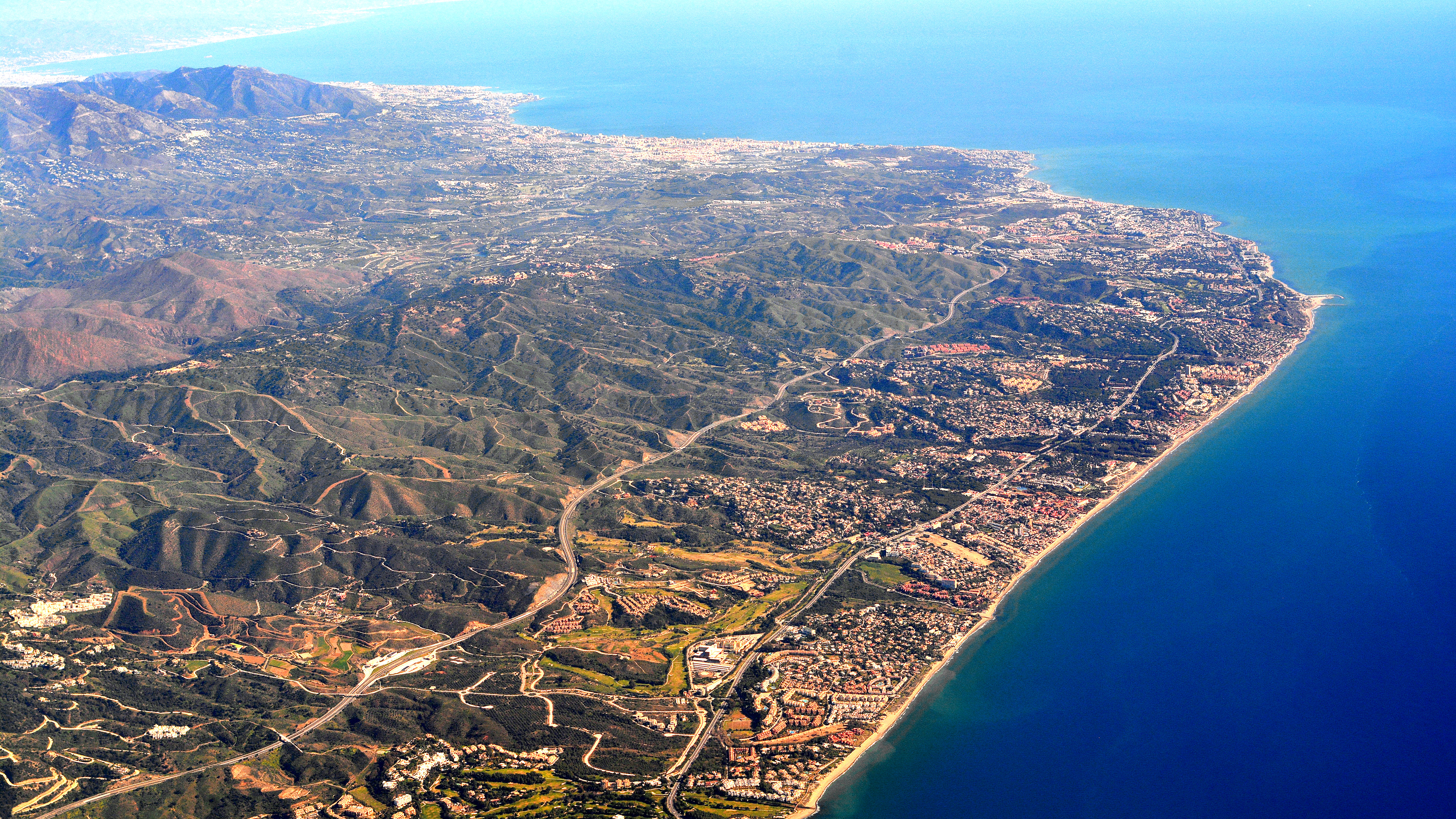
The 'working' of the Costa del Sol is a complex interplay of public and private enterprise, driven by its natural assets and strategic development. Its primary function is as a global tourism magnet, facilitated by a well-established infrastructure that includes Málaga Airport, one of Spain's busiest airports, and an extensive road network, notably the AP-7 motorway. The region's appeal is built on its microclimate, boasting over 300 days of sunshine annually, and its extensive coastline, featuring numerous beaches and marinas like Puerto Banús. Economic activity is heavily skewed towards hospitality, real estate, and services catering to international residents and tourists. Local governance, often through regional tourism boards like Visit Costa del Sol, plays a crucial role in marketing, infrastructure development, and event promotion, aiming to sustain and enhance its global appeal.
📊 Key Facts & Numbers
The Costa del Sol is a powerhouse of Spanish tourism, attracting an estimated 12 million visitors annually, with a significant portion being international tourists. The region's population stands at approximately 1.36 million people, concentrated along the coast. Tourism directly contributes an estimated 30-35% to the regional GDP, a figure that can surge higher during peak seasons. Over 100,000 hotel beds are available across the coast, catering to diverse budgets. Property values in prime locations like Marbella can exceed €10,000 per square meter. The region boasts over 70 golf courses, attracting a substantial segment of its visitors, and its marinas can accommodate thousands of yachts, underscoring its appeal to affluent travelers.
👥 Key People & Organizations
While no single individual 'created' the Costa del Sol, key figures and entities have shaped its trajectory. Rodolfo Lussnigg, an Austrian entrepreneur, is credited with coining the term 'Costa del Sol' in the early 20th century. Post-Franco, developers like Ricardo Soriano and Príncipe Alfonso Hohenlohe were instrumental in developing luxury resorts in Marbella, most notably the Marbella Club in the 1950s, attracting international jet-setters. The Málaga Provincial Council, a crucial public body responsible for strategic promotion and development, and its tourism arm, Visit Costa del Sol, are vital. Major hotel groups and real estate developers, such as Meliá Hotels and Taylor Wimpey, have significantly invested in and shaped the built environment, while organizations like the AEHCOS represent the industry's interests.
🌍 Cultural Impact & Influence
The cultural impact of the Costa del Sol is profound, primarily as a symbol of Spain's post-war economic miracle and its embrace of international tourism. It became synonymous with sun, sea, and leisure, influencing global perceptions of Spanish holidays. This influx of international visitors, particularly from the UK, Germany, and Scandinavia, has led to a significant expatriate community, creating a cosmopolitan atmosphere in many towns. This cultural exchange has influenced local cuisine, architecture, and social norms, though critics argue it has also led to a homogenization of local identity in some areas. The region's glamorous image, particularly in places like Marbella, has been amplified by its portrayal in film and television, solidifying its status as a desirable, albeit sometimes exclusive, destination.
⚡ Current State & Latest Developments
As of 2024, the Costa del Sol continues to be a dominant force in European tourism, though it faces evolving challenges and opportunities. Post-pandemic recovery has seen a strong return of visitors, with a notable increase in demand for longer stays and 'workation' options, facilitated by improved digital connectivity. There's a growing emphasis on diversifying beyond traditional sun-and-sand tourism, with increased investment in cultural tourism, gastronomy, and eco-tourism initiatives. Major infrastructure projects, such as the expansion of Málaga Airport and improvements to the coastal train line, are underway to enhance accessibility and sustainability. The region is also grappling with rising living costs and housing shortages, particularly for local workers, a direct consequence of its success.
🤔 Controversies & Debates
The development model of the Costa del Sol is not without its controversies. The rapid, often unchecked, construction during the latter half of the 20th century led to significant environmental concerns, including coastal erosion, water scarcity, and urban sprawl that encroached on natural landscapes. The region has also been a focal point for issues related to illegal construction and land speculation, with numerous high-profile cases of corruption impacting urban planning. Furthermore, the economic model's heavy reliance on tourism makes it vulnerable to external shocks, as demonstrated during global recessions and health crises. The 'all-inclusive' model, while popular with some tourists, has also faced criticism for its limited contribution to the local economy beyond direct employment in hotels.
🔮 Future Outlook & Predictions
The future outlook for the Costa del Sol hinges on its ability to adapt to global trends and address its inherent challenges. A key focus will be on sustainable tourism, balancing economic growth with environmental protection and preserving the region's natural beauty. This includes investing in renewable energy, water management, and protecting biodiversity. The region is also looking to attract higher-spending tourists and diversify its offerings to appeal to a wider range of interests, moving beyond mass tourism. Embracing digital transformation, enhancing the 'smart destination' concept, and fostering innovation in the hospitality sector will be crucial. The ongoing challenge of affordable housing for residents will likely require innovative policy solutions to ensure the region remains livable for its local population.
💡 Practical Applications
The Costa del Sol's primary practical application is as a global tourism and leisure hub. Its well-developed infrastructure serves as a model for other coastal destinations seeking to attract international visitors. The region's success in real estate development, particularly in the luxury sector, offers insights for property investors and developers worldwide. Furthermore, its extensive network of golf courses and sports facilities makes it a prime location for sporting events and training camps. The established expatriate communities also highlight the practicalities of integrating diverse populations and providing services catering to international residents, from healthcare to legal assistance.
Key Facts
- Category
- places
- Type
- topic