
Contents
Overview
The story of coral reefs begins not with the familiar stony corals, but with much simpler structures. Early reefs were dominated by microbial and sponge life. The emergence of reef-building corals, belonging to the class Anthozoa within the phylum Cnidaria, marked a significant evolutionary leap, gradually displacing these earlier forms. These early corals, unlike their modern counterparts, likely faced different oceanographic conditions, including potentially higher sea levels and different atmospheric compositions. The fossil record, meticulously studied by paleontologists like J. David Archibald and Erwin L. Yochelson, reveals a gradual diversification and increasing complexity of reef structures over geological time, punctuated by mass extinction events that reshaped marine life and reef communities.
⚙️ How Reefs Form and Grow
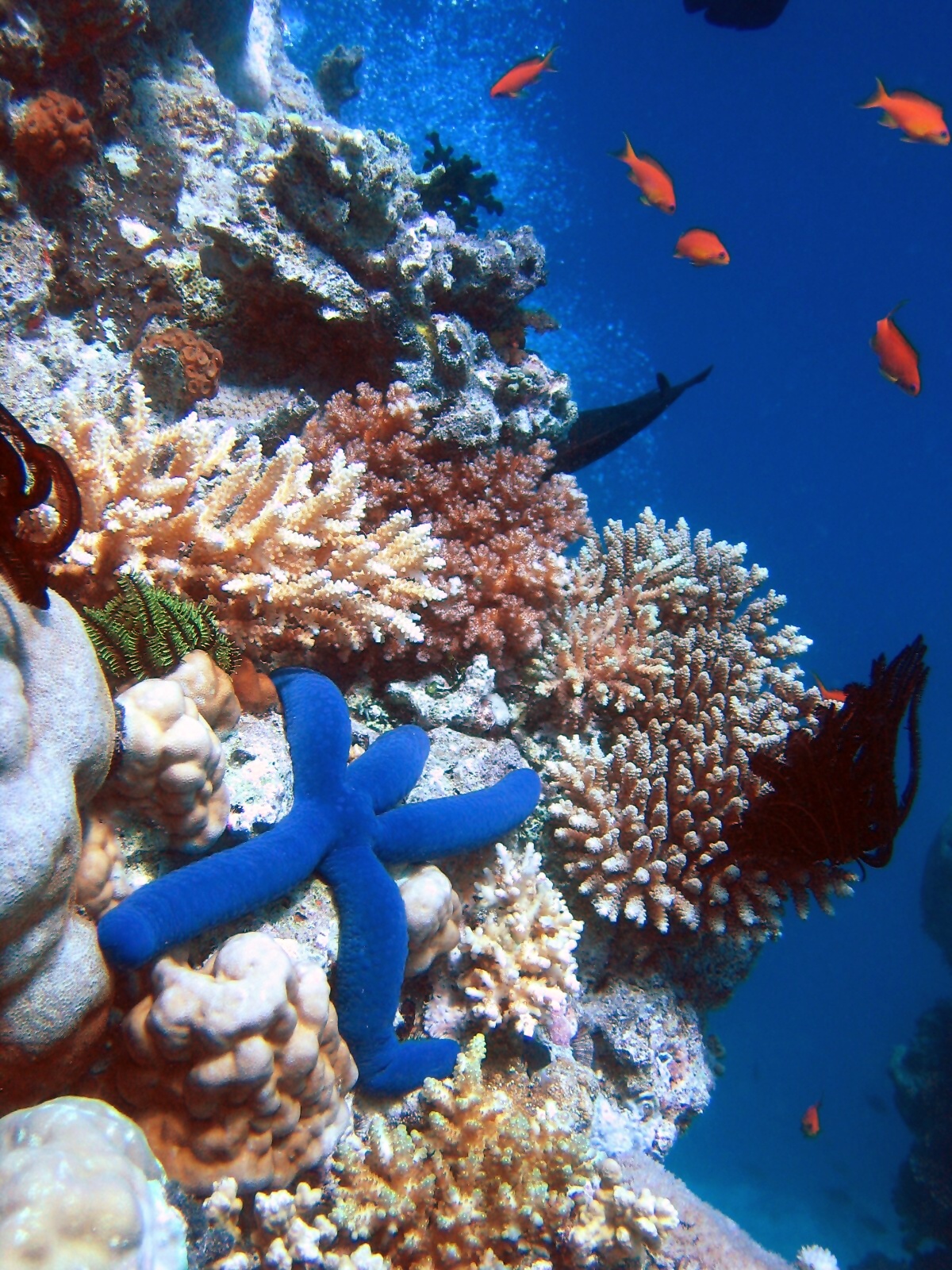
Modern coral reefs are built by colonies of tiny animals called coral polyps, which secrete hard calcium carbonate exoskeletons. These polyps, often living in symbiotic relationships with zooxanthellae (photosynthetic algae), extract calcium and carbonate ions from seawater to build their skeletons. Over centuries and millennia, these individual skeletons accumulate, forming the complex three-dimensional structures that provide habitat for countless other species. The growth rate of reefs is highly dependent on environmental factors such as water temperature, salinity, light availability, and nutrient levels, with optimal conditions found in warm, shallow, clear, and well-oxygenated waters. The engineering marvel of reef construction involves precise biological processes, where each polyp contributes to the collective architecture, creating intricate caves, ledges, and surfaces that define reef ecosystems.
📊 Key Facts & Numbers
Coral reefs are staggering in their scale and biodiversity. While occupying a small fraction of the world's ocean area, they are home to a significant portion of all known marine species. The Great Barrier Reef, the world's largest coral reef system, is visible from space. Globally, there are numerous distinct reef systems, supporting fisheries that provide food and livelihoods for hundreds of millions of people worldwide, with an estimated economic value of billions of dollars annually through tourism, fisheries, and coastal protection.
👥 Key Scientists & Organizations
The study of coral reef evolution has been advanced by numerous scientists and institutions. Pioneering work in coral biology and ecology was done by figures like Charles Darwin, who famously theorized about the formation of atolls. More recently, marine biologists such as Ruth Gates and Nancy Knowlton have made significant contributions to understanding coral resilience, reproduction, and the broader impacts of human activity on reef ecosystems. Organizations like the Puntacana Foundation are actively involved in coral restoration efforts, while research bodies such as the Australian Institute of Marine Science (AIMS) and the Scripps Institution of Oceanography conduct vital long-term monitoring and research into reef health and evolution.
🌍 Cultural Impact & Influence
Coral reefs have captured the human imagination for centuries, inspiring art, literature, and scientific inquiry. Their vibrant colors and astonishing biodiversity have made them iconic symbols of the ocean's beauty and fragility. From the early explorations of Captain James Cook, who documented extensive reefs during his voyages, to modern documentaries and conservation campaigns, reefs have consistently featured in our cultural narrative. They are also central to the livelihoods and cultural practices of many coastal communities, particularly in Polynesia and Southeast Asia, where they have been a source of food, building materials, and spiritual significance for millennia. The concept of reefs as 'rainforests of the sea' highlights their perceived value and the urgency of their conservation in the global consciousness.
⚡ Current State & Latest Developments
The current state of coral reefs is precarious, largely due to the escalating impacts of climate change and local stressors. Mass coral bleaching events, driven by rising ocean temperatures, have become more frequent and severe. The Paris Agreement aims to limit global warming to 1.5°C, a critical threshold for reef survival. Beyond temperature, ocean acidification, caused by the absorption of excess carbon dioxide from the atmosphere, hinders the ability of corals to build their skeletons. Local threats like pollution from agricultural runoff, overfishing, and destructive fishing practices continue to degrade reef health, exacerbating the impacts of global climate change.
🤔 Controversies & Debates
The evolution and current state of coral reefs are subjects of intense scientific debate and public concern. A major controversy revolves around the projected future of reefs under different climate change scenarios. While some scientists express deep pessimism, predicting widespread reef collapse by mid-century, others highlight the potential for adaptation and the success of certain restoration techniques. The debate over the effectiveness and scalability of coral restoration projects, such as coral gardening and assisted evolution, is ongoing. Furthermore, there is contention regarding the balance between conservation efforts and the economic needs of coastal communities that depend on reef resources, as well as the ethical considerations of intervening in natural evolutionary processes through interventions like selective breeding or genetic modification.
🔮 Future Outlook & Predictions
The future outlook for coral reefs is a stark dichotomy, heavily dependent on global action to mitigate climate change. If the goals of the Paris Agreement are met and global warming is limited to 1.5°C, a significant portion of reefs could still survive, albeit in altered states. Research into coral resilience, assisted evolution, and innovative restoration techniques offers glimmers of hope, but these efforts are unlikely to succeed without drastic reductions in greenhouse gas emissions. The next decade is critical; the decisions made now regarding climate policy and local reef management will determine the fate of these vital ecosystems for centuries to come.
💡 Practical Applications
Coral reefs offer numerous practical applications, primarily centered around ecosystem services and scientific research. They act as natural breakwaters, protecting coastlines from storm surges and erosion, a service valued in the billions of dollars annually. Reefs are also biodiversity hotspots that support commercially important fisheries, providing a crucial food source and economic engine for millions. Furthermore, the unique biochemical compounds found in reef organisms are a source of novel pharmaceuticals, with ongoing research into potential treatments for cancer, HIV, and other diseases. The study of reef ecosystems also provides invaluable insights into ecological resilience, adaptation, and the impacts of environmental change, serving as critical natural laboratories for understanding broader ecological principles.
Key Facts
- Category
- nature
- Type
- topic