
Contents
Overview
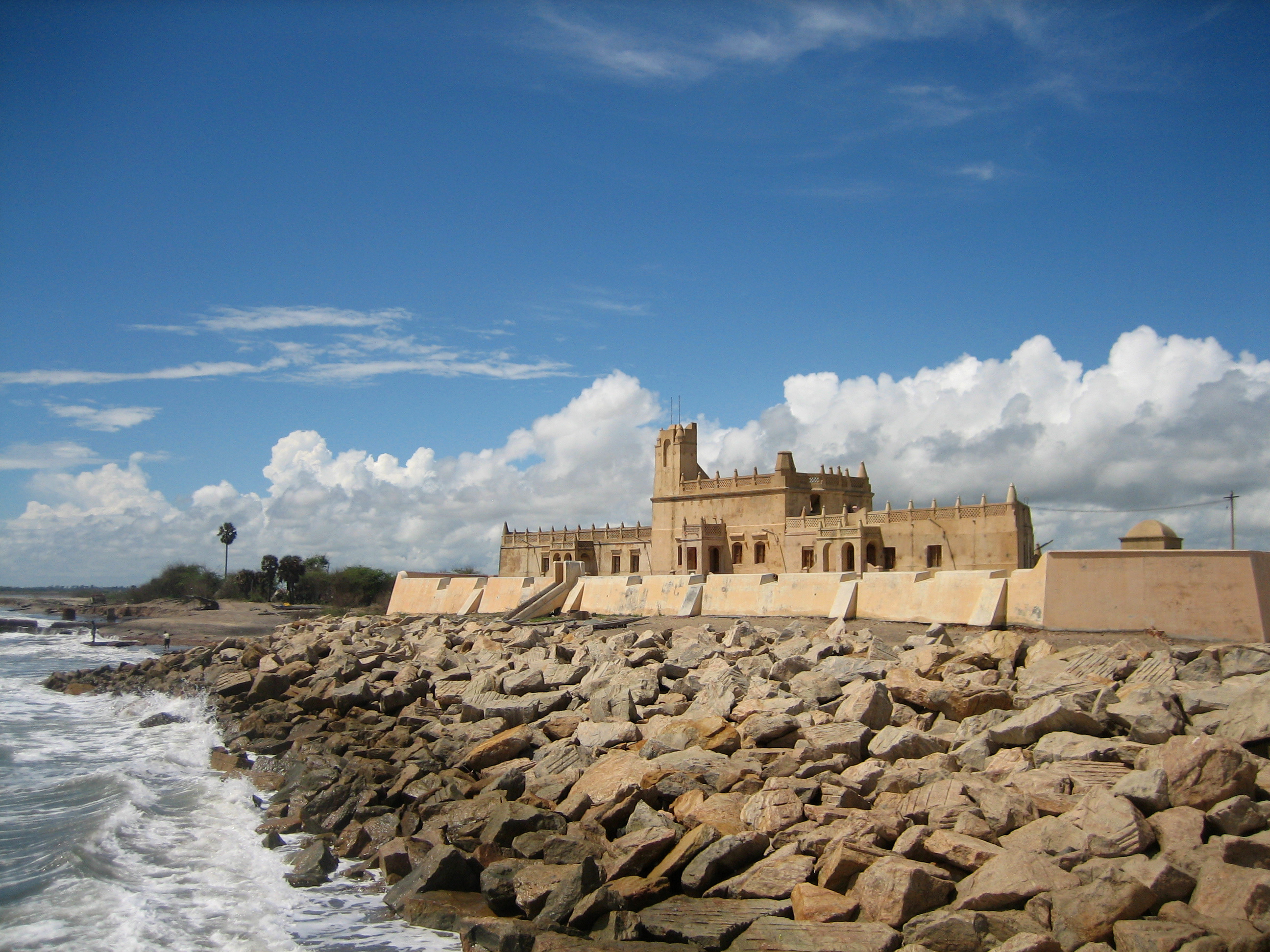
Colonial architecture is a broad term encompassing the diverse building styles that emerged in territories settled by foreign powers. It represents a fascinating fusion, where settlers transplanted familiar architectural traditions from their homelands and adapted them to the unique environmental, material, and cultural conditions of their new surroundings. This resulted in a spectrum of hybrid forms, from the sturdy, timber-framed houses of English colonists in North America to the ornate Baroque facades of Spanish missions in Latin America, and the elegant neoclassical structures built by the British in India. The style is not monolithic; it varies dramatically based on the colonizing power, the indigenous building practices encountered, available local materials, and the specific climate of the region. Understanding colonial architecture offers a tangible link to the complex histories of exploration, settlement, power dynamics, and cultural exchange that have shaped the global built environment.
🎵 Origins & History
As European powers established settlements across the globe, they brought their architectural vernacular with them. Early examples include the Spanish missions in the American Southwest, characterized by adobe construction and religious iconography, and the Dutch colonial farmhouses in New York, featuring distinctive gambrel roofs. British colonial architecture in North America, for instance, evolved from simple timber-framed structures in early Jamestown and Plymouth to more sophisticated Georgian styles in later periods, reflecting evolving economic prosperity and social aspirations. The Portuguese left their mark with Manueline and Baroque styles in Brazil, while French colonial architecture in Quebec and Louisiana showcased distinct pitched roofs and vertical elements suited to snowy or humid climates. This period saw an unprecedented global transfer of architectural ideas, albeit often imposed rather than shared.
⚙️ How It Works
Colonial architecture functions as a direct translation of metropolitan building typologies into a new context. The core principle involved adapting existing styles—such as Renaissance, Baroque, Neoclassical, or vernacular regional forms—to local conditions. This adaptation was driven by necessity and opportunity: readily available materials like local timber, stone, or clay dictated construction methods, while climate influenced roof pitches, window sizes, and ventilation strategies. For example, British colonists in New England adopted timber framing and clapboard siding, but modified rooflines and window placements to cope with harsh winters and abundant snowfall, leading to styles like the Saltbox house. Spanish colonists in Florida and California utilized thick adobe walls and stucco to combat heat and humidity, often incorporating courtyards for passive cooling, a technique learned from indigenous peoples or inherited from Moorish influences in Spain. The resulting structures were not mere copies but hybrid creations, embodying both the colonizer's cultural identity and the imprint of the colonized land.
📊 Key Facts & Numbers
The historic centers of Antigua Guatemala and Quito, Ecuador are UNESCO World Heritage Sites, showcasing Spanish colonial architecture. British colonial buildings in India, like the Victoria Terminus (now Chhatrapati Shivaji Maharaj Terminus) in Mumbai, showcase a fusion of Victorian Gothic and Indian styles. The economic impact was substantial, with colonial powers often extracting resources to fund grand architectural projects that symbolized their dominance.
👥 Key People & Organizations
While no single architect is solely credited with 'inventing' colonial architecture, numerous individuals and groups were instrumental in its development and dissemination. Early settlers, often unnamed artisans and builders, were the primary practitioners, adapting traditional techniques. Figures like Christopher Wren, though primarily associated with post-Great Fire of London architecture, influenced British colonial design through his theoretical writings and the dissemination of his designs. In the Spanish colonies, religious orders like the Franciscans and Jesuits played a crucial role in establishing mission architecture, with figures like Junípero Serra overseeing the construction of numerous missions in California. Architects trained in European styles, such as the British architects involved in designing government buildings in India like Edwin Lutyens and Herbert Baker for New Delhi, brought imperial grandeur to colonial capitals. Organizations like the East India Company and the Hudson's Bay Company were also significant patrons, commissioning vast networks of forts, trading posts, and administrative buildings that defined colonial landscapes.
🌍 Cultural Impact & Influence
Colonial architecture has left an indelible mark on the global cultural landscape, serving as a constant, tangible reminder of historical power dynamics and cultural encounters. These buildings often become focal points for national identity, sometimes celebrated as symbols of heritage and progress, and at other times viewed critically as monuments to oppression and exploitation. In the United States, colonial revival styles remain popular in residential architecture, reflecting a romanticized view of the nation's founding. In India, structures like Rashtrapati Bhavan (formerly Viceroy's House) in New Delhi, designed by Edwin Lutyens, continue to house governmental functions, embodying the enduring legacy of British rule. The preservation and interpretation of colonial sites are ongoing debates, influencing tourism, urban planning, and historical consciousness worldwide. The aesthetic influence can be seen in everything from modern government buildings to regional vernacular styles that retain echoes of their colonial past.
⚡ Current State & Latest Developments
In the present day, colonial architecture is primarily a subject of historical study, preservation, and adaptive reuse. Many colonial-era buildings, particularly those in North America and parts of Latin America and Asia, are actively maintained as historical landmarks, museums, or private residences. Urban renewal projects in cities like Boston, Philadelphia, and Quebec City often involve the careful restoration of colonial districts. However, the ongoing relevance of colonial architecture also manifests in contemporary debates about heritage, identity, and the ethics of preservation. As global awareness of colonial histories grows, there's an increasing focus on re-evaluating the narratives associated with these structures, moving beyond mere aesthetic appreciation to a more critical understanding of their social and political contexts. New research employing digital tools like 3D scanning is enhancing our ability to document and analyze these historic structures for preservation efforts.
🤔 Controversies & Debates
The legacy of colonial architecture is fraught with controversy, primarily centered on its association with imperialism, dispossession, and cultural subjugation. Critics argue that celebrating colonial buildings often overlooks the violence and exploitation inherent in their construction and the systems they represented. Debates rage over whether to preserve, repurpose, or even demolish certain colonial structures that are seen as symbols of oppression. For instance, the continued use of colonial-era government buildings in many post-colonial nations raises questions about national identity and the perpetuation of colonial power structures. Furthermore, the romanticization of colonial styles in contemporary design is sometimes criticized for ignoring the complex and often painful histories attached to them. The question of who benefits from the preservation of colonial heritage—local communities or external tourist economies—is also a significant point of contention.
🔮 Future Outlook & Predictions
The future of colonial architecture lies largely in how societies choose to engage with its complex legacy. Preservation efforts will likely continue, driven by heritage tourism and a desire to maintain historical continuity, but with an increasing emphasis on critical interpretation and community involvement. Adaptive reuse will remain a key strategy, transforming historic structures for modern purposes while respecting their original character. There's also a growing movement to decolonize architectural discourse, challenging the dominance of Western perspectives and highlighting the contributions and resilience of indigenous building traditions that coexisted with or resisted colonial styles. Future scholarship may focus on uncovering marg
Key Facts
- Category
- history
- Type
- topic