
Contents
Overview
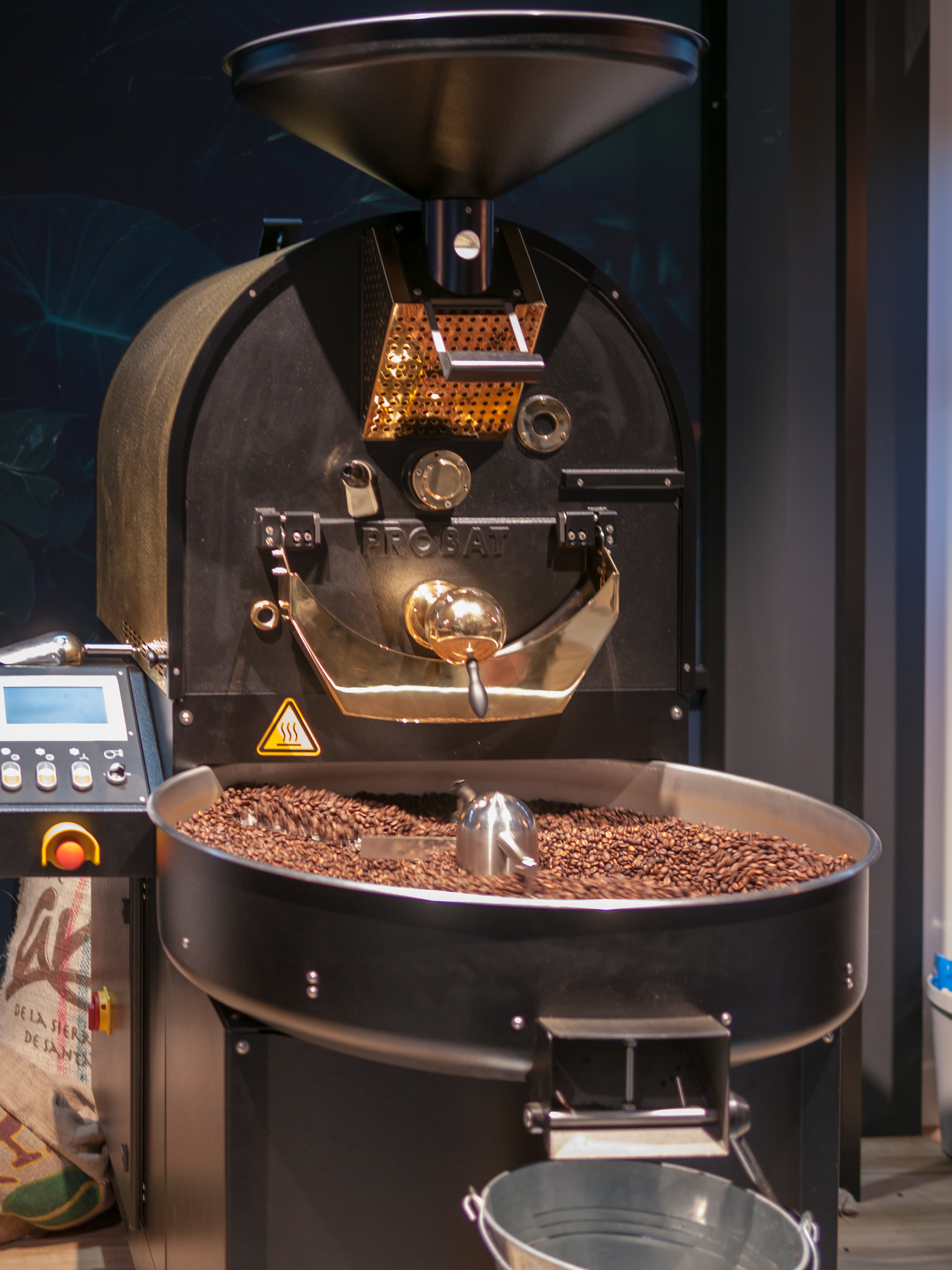
A coffee roaster is a specialized appliance or industrial machine designed to transform green coffee beans into roasted coffee through controlled heat application. This process is critical, as it unlocks the complex aromatic compounds and flavors that define coffee's taste, converting inert beans into the vibrant product consumers recognize. Roasting occurs through a series of chemical reactions, including the Maillard reaction and caramelization, which alter the beans' physical structure, color, and density. While large-scale commercial operations dominate global production, a significant surge in small-scale, artisanal roasting has emerged, driven by the demand for single-origin coffees and a desire for peak freshness. Home roasting also persists as a dedicated hobby for enthusiasts seeking ultimate control over their coffee's flavor profile.
🎵 Origins & History
Early methods involved simple, open-flame roasting over charcoal or in shallow pans. The industrial revolution later brought about the first large-scale, mechanized roasters, marking a significant shift from artisanal craft to industrial production.
⚙️ How It Works
At its core, coffee roasting involves applying heat to green coffee beans to induce complex chemical and physical changes. The process typically begins with a drying phase, where moisture content is reduced. The 'first crack' is a stage where the beans expand and emit audible popping sounds. The Maillard reaction is a chemical process involving amino acids and sugars that occurs during roasting. Control over temperature, airflow, and time is paramount, allowing roasters to target specific flavor notes, from bright and acidic to rich and chocolaty, culminating in a cooling phase to halt the roasting process.
📊 Key Facts & Numbers
The global coffee roasting market is substantial. North America and Europe represent the largest markets. Specialty coffee comprises an estimated 20% of the total coffee market in developed economies. The average American consumes about 3 cups of coffee per day. Industrial roasters can process anywhere from 500 to 5,000 kilograms of beans per hour, while smaller artisanal roasters typically handle batches ranging from 1 to 25 kilograms.
👥 Key People & Organizations
Key figures in the evolution of coffee roasting include Alfred Peet, who is credited with popularizing dark roast profiles in the United States. Organizations like the Specialty Coffee Association (SCA) play a crucial role in setting standards and providing education in roasting. Major commercial roasters like Nestlé (through its Nescafé and Nespresso brands) operate on a massive scale, while influential artisanal roasters such as Stumptown Coffee Roasters and Blue Bottle Coffee have redefined consumer expectations for quality and origin transparency.
🌍 Cultural Impact & Influence
Coffee roasting is more than a technical process; it's a cultural touchstone that has shaped social habits and economic landscapes. The aroma of roasting coffee is a potent sensory trigger, often associated with comfort, energy, and community. The rise of specialty coffee shops, from the early days of Starbucks in Seattle to the proliferation of independent roasters globally, has transformed urban centers into vibrant hubs for coffee culture. This trend has also elevated the roaster from an anonymous factory worker to a recognized craftsperson, akin to a chef or winemaker. The global coffee trade connects producers in countries like Brazil, Vietnam, and Colombia with consumers worldwide, influencing economies and livelihoods across continents.
⚡ Current State & Latest Developments
The current landscape of coffee roasting is marked by a bifurcation: continued dominance of large-scale industrial roasting for mass markets, and a flourishing artisanal sector focused on quality, traceability, and unique flavor profiles. Innovations in roasting technology are ongoing, with advancements in software for precise profile control. Sustainability is a growing concern in coffee roasting, pushing roasters to adopt eco-friendly practices, from sourcing ethically produced beans to minimizing energy consumption in their facilities. The pandemic accelerated direct-to-consumer sales and home brewing trends, which in turn boosted demand for smaller-batch, high-quality roasted coffee.
🤔 Controversies & Debates
Debates within the coffee roasting community often center on the 'ideal' roast profile for specific beans. Skeptics question whether the pursuit of extreme light roasts, often championed in specialty circles, truly enhances the coffee or merely highlights origin defects. Conversely, traditionalists sometimes criticize overly dark roasts for masking the bean's inherent characteristics with burnt flavors. Another point of contention is the role of technology versus intuition; while sophisticated software offers unparalleled control, many argue that a roaster's sensory experience and accumulated knowledge remain indispensable. The ethical sourcing of beans, particularly in relation to fair wages for farmers and sustainable farming practices, is a persistent ethical debate that directly impacts the roaster's supply chain and brand reputation.
🔮 Future Outlook & Predictions
The future of coffee roasting is likely to be shaped by continued technological integration and a deeper focus on sustainability and personalization. Expect to see more AI-driven roasting systems that can learn and adapt to bean characteristics in real-time, potentially creating hyper-personalized roast profiles tailored to individual consumer preferences. The demand for transparency will intensify, with blockchain technology potentially being used to track beans from farm to cup, including detailed roasting data. Furthermore, as climate change impacts coffee-growing regions, roasters will need to adapt by exploring new varietals, processing methods, and potentially even developing roasting techniques that can mitigate the effects of altered bean chemistry. The home roasting segment is also poised for growth, with more sophisticated and user-friendly equipment becoming available.
💡 Practical Applications
Coffee roasters are essential in numerous applications, primarily centered around the production of roasted coffee for consumption. This ranges from large industrial facilities that supply supermarkets and global coffee chains like Starbucks and Costa Coffee, to smaller, independent cafes that roast on-site for immediate sale, offering a fresh product to their patrons. Specialty coffee shops, such as Intelligentsia Coffee and Counter Culture Coffee, rely heavily on precise roasting to highlight the unique characteristics of single-origin beans. Beyond commercial use, home roasting machines, like those from Behmor or Gene Cafe, allow hobbyists to experiment with different beans and roast levels, fostering a deeper appreciation for the craft. Roasters are also used in research and development by agricultural scientists and food technologists studying coffee's chemical composition and flavor development.
Key Facts
- Category
- technology
- Type
- topic